


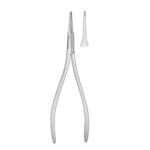
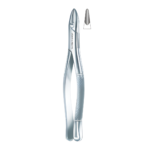
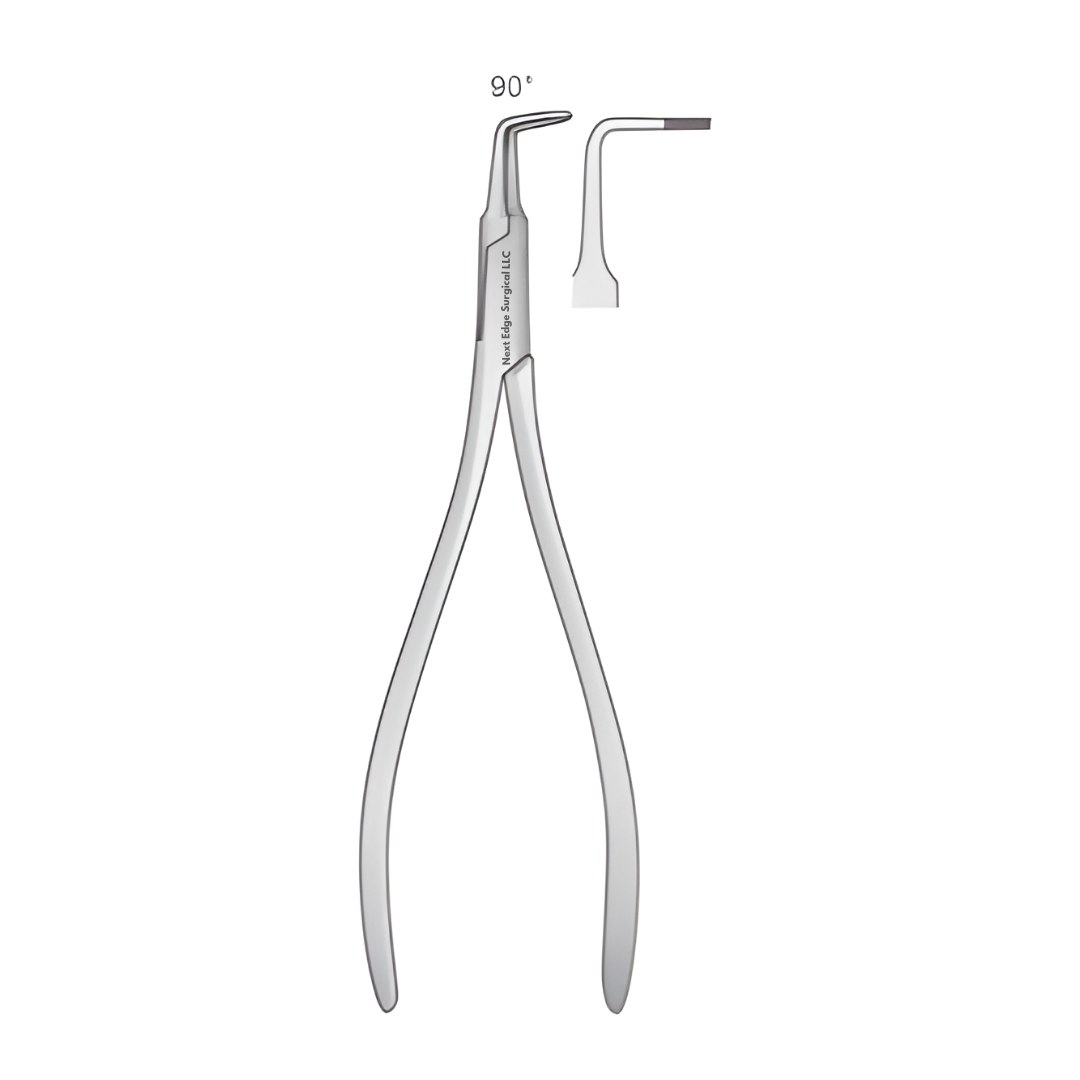
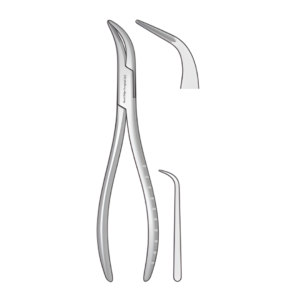
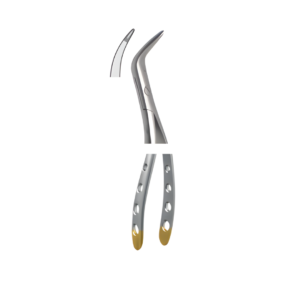
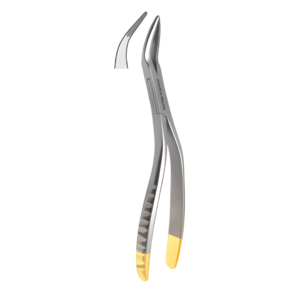
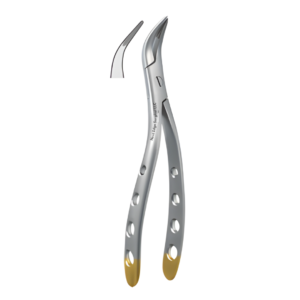
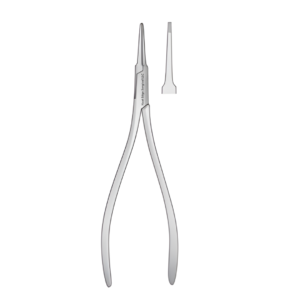
Dental Root Fragment Forceps – Without Diamond – NES-291
A root fragment can remain inside the extraction socket even after the main tooth structure has been removed. Retrieving that remnant calls for an instrument selected according to its position, accessibility, and relationship to the surrounding tissues.
Our Dental Root Fragment Forceps Without Diamond – NES-291 provides a dedicated option for suitable dental root-fragment procedures. It belongs to the Without Diamond product classification within our professional extraction instrument range.
Root Fragment Retrieval and Socket Assessment
Remaining root fragments vary considerably in their clinical presentation. Some lie near the socket opening, while others remain deeper within the alveolar bone. The clinician must assess visibility, mobility, and the available gripping surface before selecting an extraction technique.
NES-291 forms part of our specialized dental extraction forceps collection for root-removal applications. The Without Diamond designation distinguishes its catalog classification without changing the importance of proper instrument selection.
When a fragment can be engaged appropriately, forceps may assist with controlled retrieval. Deeply retained fragments can require further mobilization or additional access before removal.
Features and Benefits
| Feature | Benefit |
| Root-fragment application | Supports suitable procedures involving remaining tooth fragments. |
| Without Diamond classification | Identifies this model within the root-forceps collection. |
| Direct retrieval function | Provides a grasping option for accessible root remnants. |
| Extraction socket relevance | Addresses root-management tasks following tooth removal. |
| Specialized instrument category | Differentiates root-fragment forceps from general extraction patterns. |
| Complementary surgical role | Fits procedures involving elevators and other dental instruments. |
Instrument Care and Handling
Root-fragment procedures can expose working surfaces to biological debris and small particles of tooth structure. After each procedure, begin cleaning promptly to prevent residue from remaining on the instrument.
Examine the gripping areas under adequate lighting. Check for visible deposits, damage, or changes that could affect contact with the remaining root.
The operating movement should also be assessed before use. An instrument showing unusual resistance or damaged working surfaces should not be included in the prepared clinical tray.
Follow the established cleaning and sterilization workflow, paying attention to accessible moving components. Avoid unnecessary abrasive contact during maintenance.
During clinical handling, maintain clear visibility of the extraction site. Repeated attempts to grasp an inaccessible fragment may disturb surrounding bone or soft tissue without improving retrieval.
Appropriate mobilization and access should precede direct engagement when the root remains firmly positioned. After processing, protect the instrument’s working ends during transportation and storage.
An organized tray arrangement helps prevent accidental damage and supports efficient instrument preparation for subsequent procedures.
Product Specifications
| Specification | Details |
| Product Name | Dental Root Fragment Forceps – Without Diamond |
| SKU | NES-291 |
| Brand | Next Edge Surgical LLC |
| Product Category | Dental Root Fragment Forceps |
| Pattern Designation | Without Diamond |
| Intended Application | Dental Root Fragment Retrieval |
| Clinical Setting | Dental Extraction and Oral Surgery |
Frequently Asked Questions
What is the main application of NES-291?
Retrieval of accessible dental root fragments during suitable procedures.
Is NES-291 a whole-tooth extraction instrument?
Its designated category focuses on remaining dental roots and fragments.
What determines whether direct grasping is appropriate?
Fragment accessibility, mobility, and surrounding anatomical conditions.
Why is prompt cleaning important?
It helps prevent biological residue from drying onto working surfaces.
Can this instrument complement root elevators?
Yes, forceps and elevators serve different functions during root removal.
Reviews
There are no reviews yet.