


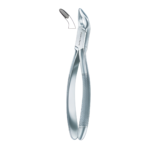
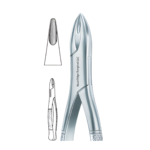
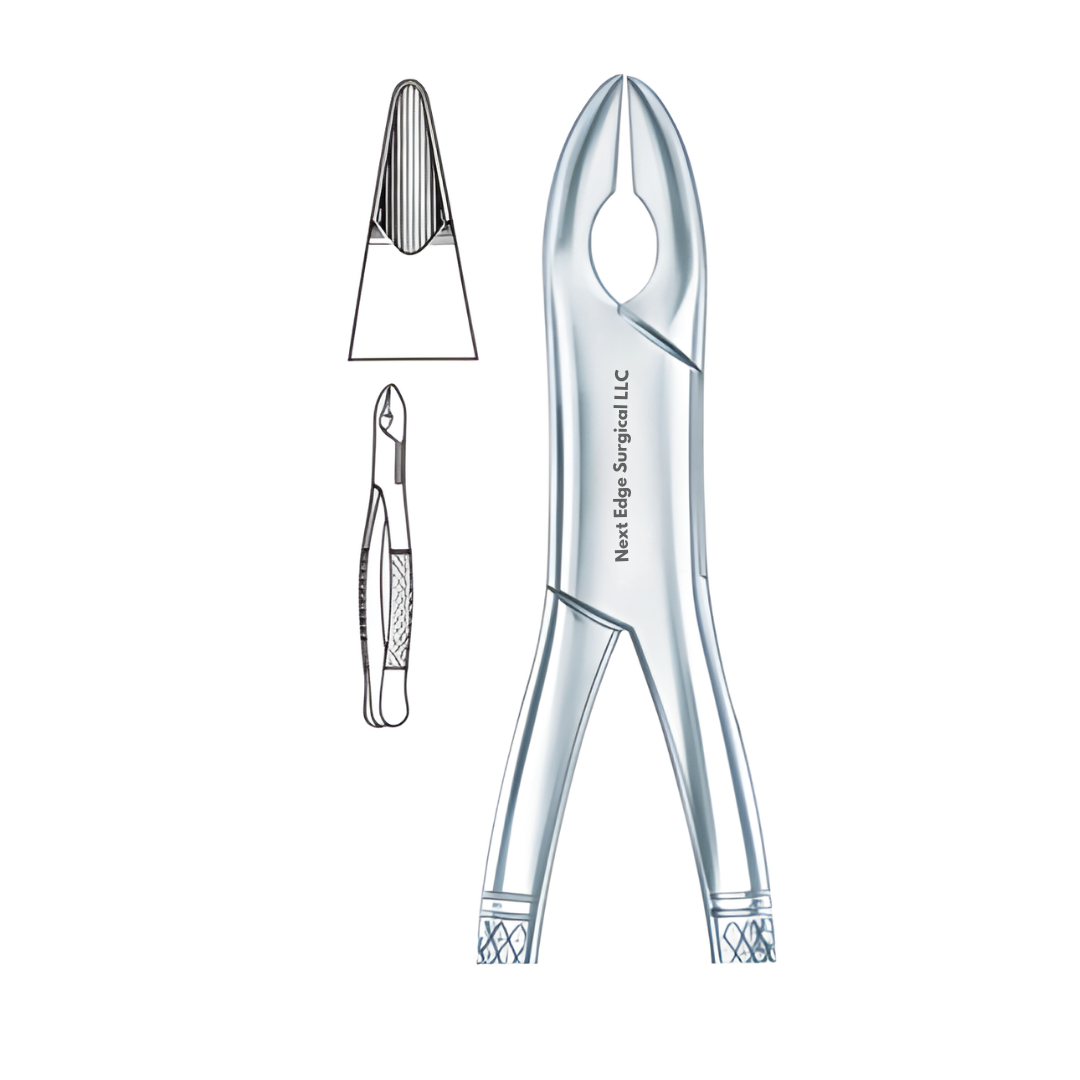
Dental Extraction Forceps – Nevius Upper Canines – NES-357
Upper canine extraction requires careful preparation because these teeth typically have long roots and substantial periodontal support. Their position within the maxillary arch also makes protecting adjacent teeth and surrounding bone especially important.
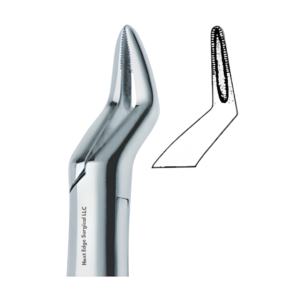
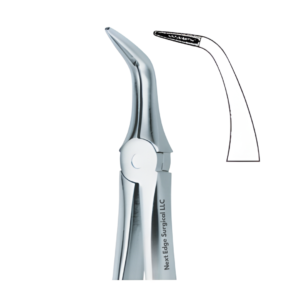
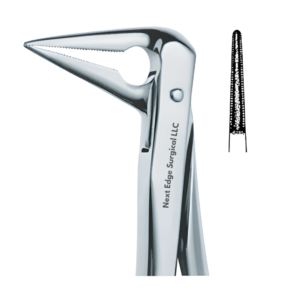
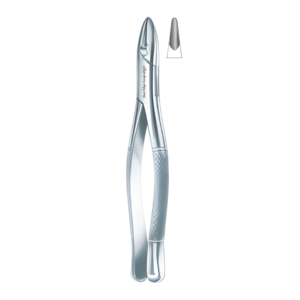
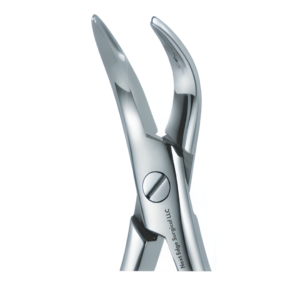
Our Nevius Upper Canines Forceps – NES-357 is designated for suitable maxillary canine extraction procedures. Its named Nevius pattern provides dental professionals with a specific instrument option when preparing anterior extraction trays.
Understanding Upper Canine Extraction Requirements
Maxillary canines generally possess a single, relatively long root. Root curvature, crown condition, and surrounding bone can influence mobility and the technique selected for removal. Careful assessment helps identify potential difficulties before engagement.
NES-357 belongs to our dental extraction forceps collection. Its Nevius designation identifies the instrument pattern, while its upper canine classification establishes the intended tooth group. Clinicians should evaluate the actual working configuration alongside individual patient anatomy.
Features and Benefits
| Feature | Benefit |
| Nevius pattern | Identifies a named extraction instrument classification. |
| Upper canine application | Focuses selection on maxillary canine removal. |
| Anterior maxillary designation | Supports preparation for upper front-tooth procedures. |
| Tooth engagement function | Complements controlled mobilization and delivery. |
| Tooth-specific classification | Helps distinguish canine forceps from posterior instruments. |
| Individual SKU | Supports inventory identification and tray organization. |
Instrument Care and Handling
Before treatment, inspect NES-357 for visible residue, surface irregularities, and damage around its working areas. Confirm normal opening and closing movement. Position the instrument securely within the extraction tray to prevent accidental contact with heavier equipment.
After extraction, remove blood, tissue deposits, and tooth particles promptly. Examine accessible joint areas and gripping surfaces for retained debris. Complete cleaning and sterilization according to validated reprocessing instructions before subsequent patient use.
During upper canine extraction, consider root length and the prominence of the surrounding facial bone. Evaluate existing restorations, crown integrity, and periodontal support before attempting engagement.
Maintain clear visibility and protect neighboring incisors and premolars throughout the procedure. Excessive pressure against adjacent teeth or soft tissues should be avoided.
If resistance persists, reassess tooth mobility and the selected extraction approach rather than increasing force without control. Additional techniques may be necessary when root anatomy or accessibility complicates removal.
Transfer the used instrument securely for reprocessing. After cleaning, sterilization, and inspection, store NES-357 in a protected anterior extraction tray. Regular condition checks help maintain organized instrument preparation for future clinical appointments and support appropriate handling throughout the instrument’s service life.
Product Specifications
| Specification | Details |
| Product Name | Nevius Upper Canines |
| SKU | NES-357 |
| Brand | Next Edge Surgical LLC |
| Product Category | Dental Extracting Forceps |
| Instrument Pattern | Nevius |
| Anatomical Region | Maxillary Canines |
| Intended Application | Upper Canine Extraction |
Frequently Asked Questions
Which teeth are targeted by NES-357?
Suitable maxillary canine teeth.
What does Nevius identify?
The named extraction instrument pattern.
Why are upper canine roots important?
Their length and curvature can influence extraction resistance.
Should crown integrity be assessed?
Yes, weakened crowns may fracture during engagement.
How should NES-357 be maintained?
Clean, sterilize, inspect, and store it securely.
Reviews
There are no reviews yet.