


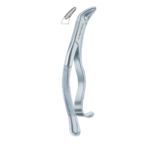
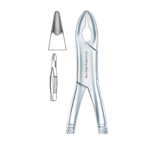
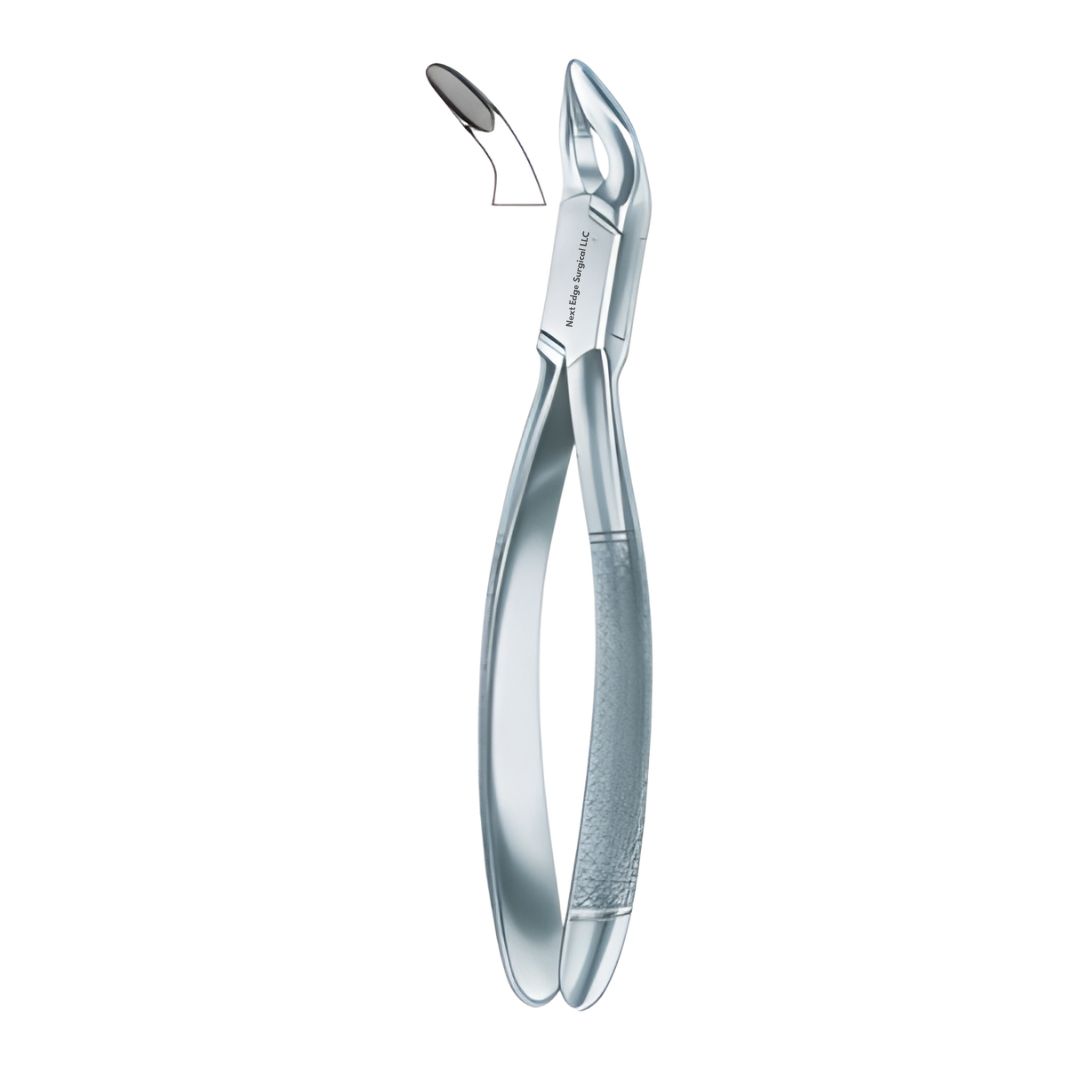
Dental Extraction Forceps – Cohen Universal Forceps – NES-356
A well-organized dental extraction tray includes instruments selected according to tooth anatomy, accessibility, and the planned procedure. Universal-pattern forceps offer a broader classification than instruments named for a single tooth group, but their suitability still depends on the clinical situation.
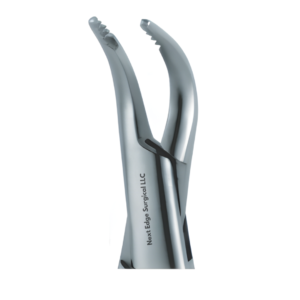
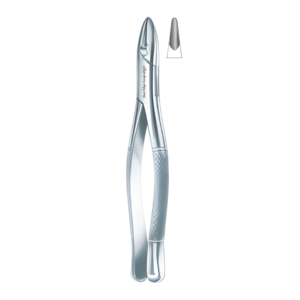
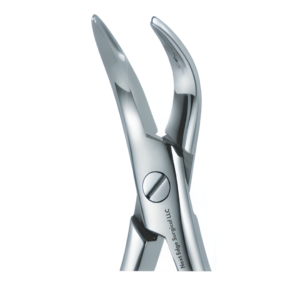
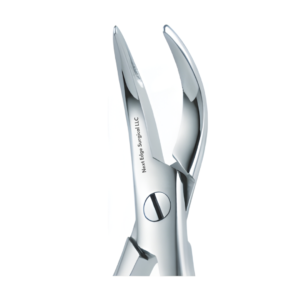
Our Cohen Universal Forceps – NES-356 is identified by its Cohen pattern and universal designation. It provides dental professionals with a named extraction instrument option for consideration during clinical preparation.
Understanding the Cohen Universal Forceps Designation
Extraction forceps are classified through various named patterns, tooth-group applications, and anatomical configurations. These classifications help clinicians identify instruments within a dental extraction collection.
NES-356 forms part of our dental extraction forceps range. Its Cohen Universal designation identifies the listed pattern, although universal does not mean that every tooth or extraction situation is appropriate. Clinicians should assess the instrument’s actual working configuration before selecting it.
Features and Benefits
| Feature | Benefit |
| Cohen pattern designation | Identifies the named instrument classification. |
| Universal forceps category | Provides a broadly designated extraction instrument option. |
| Tooth engagement function | Supports appropriate grasping during selected extraction procedures. |
| Clinical instrument selection | Complements assessment of tooth anatomy and accessibility. |
| Extraction tray relevance | Provides another pattern option for dental instrument preparation. |
| Individual SKU identification | Supports product tracking and inventory organization. |
Instrument Care and Handling
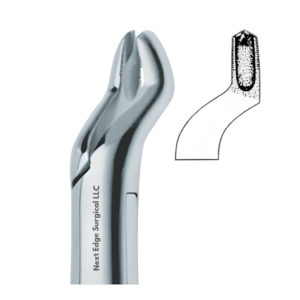
Before use, inspect NES-356 for visible deposits, wear, damage, or irregularities around its working surfaces. Confirm that the instrument opens and closes normally. Examine the gripping areas for conditions that could interfere with appropriate engagement.
After treatment, remove blood, tissue residue, and tooth particles promptly. Pay attention to accessible joint spaces and tooth-contact surfaces during cleaning. Follow validated reprocessing instructions and applicable sterilization protocols before subsequent patient use.
Instrument selection should begin with assessment of the intended tooth, available crown structure, and surrounding anatomy. A universal designation should not replace evaluation of the actual forceps configuration.
When engaging a tooth, maintain appropriate visibility and protect neighboring teeth and soft tissues. Excessive or uncontrolled pressure can contribute to crown fracture or damage to surrounding structures.
If tooth mobility remains insufficient, reassess the clinical approach rather than relying on increased force. More complex extractions may require additional instruments or a different technique.
Transfer the used forceps securely for reprocessing. Following cleaning, sterilization, and inspection, store NES-356 in a protected extraction tray. Regular maintenance helps identify changes in condition and supports organized instrument preparation.
Product Specifications
| Specification | Details |
| Product Name | Cohen Universal Forceps |
| SKU | NES-356 |
| Brand | Next Edge Surgical LLC |
| Product Category | Dental Extracting Forceps |
| Instrument Pattern | Cohen |
| Instrument Classification | Universal Extraction Forceps |
| Intended Application | Dental Tooth Extraction |
Frequently Asked Questions
What does Cohen identify?
The named extraction forceps pattern.
Does universal mean suitable for every tooth?
No, suitability depends on instrument configuration and anatomy.
Is NES-356 intended for dental professionals?
Yes, it is a professional dental extraction instrument.
Should the working surfaces be inspected?
Yes, inspect them before each clinical use.
How should NES-356 be maintained?
Clean, sterilize, inspect, and store it appropriately.
Reviews
There are no reviews yet.