


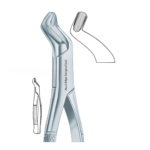
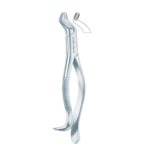
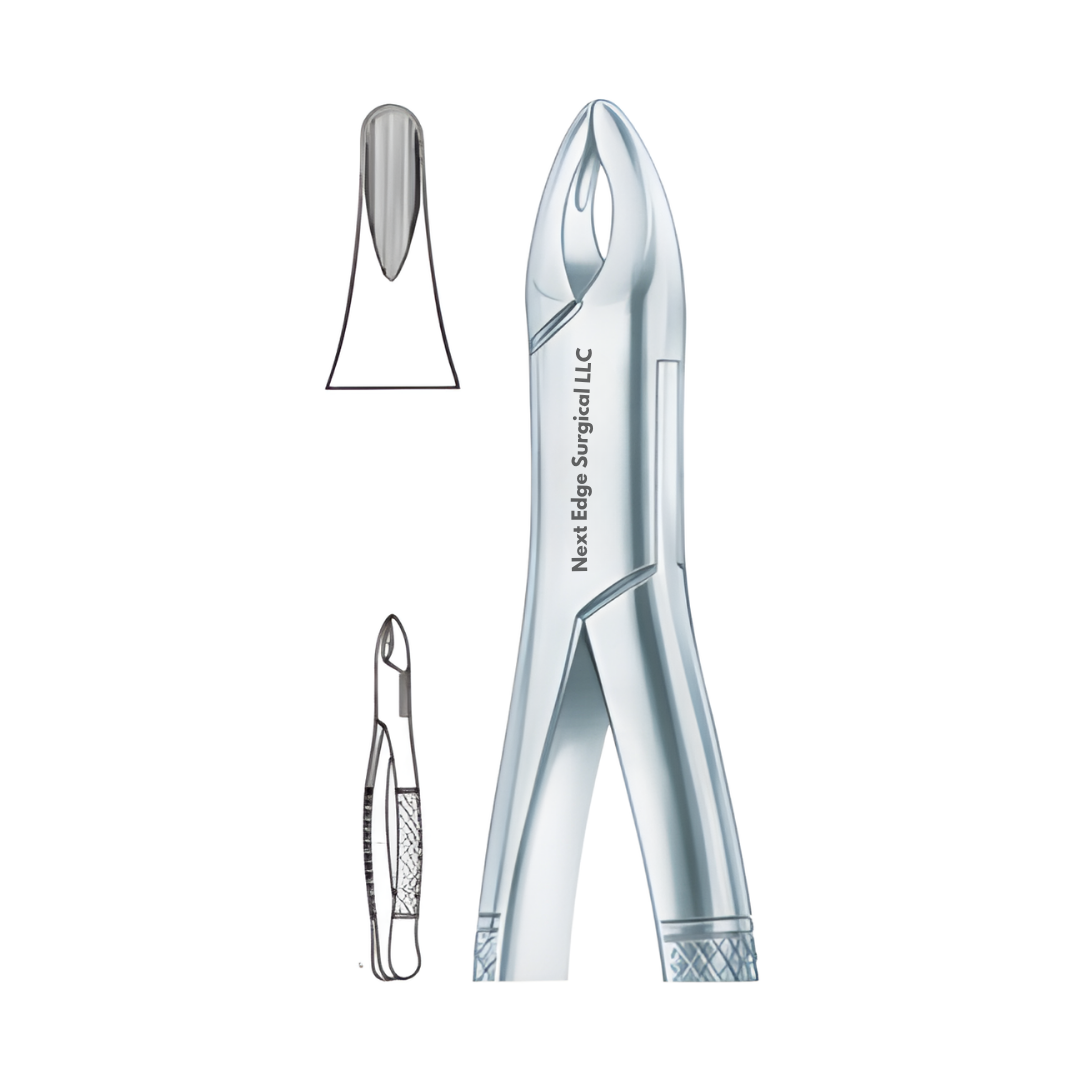
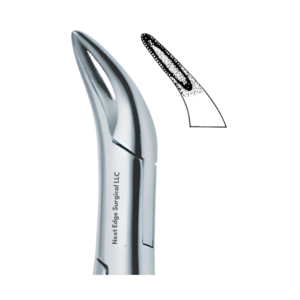
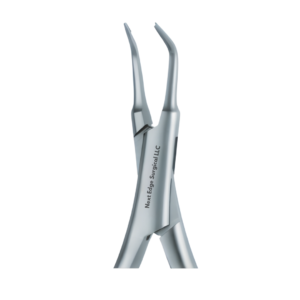
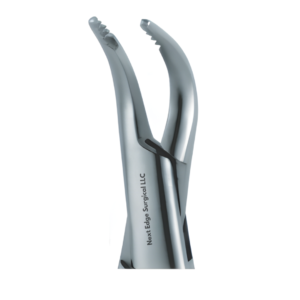
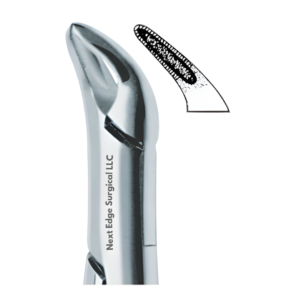
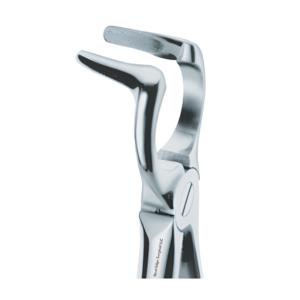
Dental Extraction Forceps – Lower Incisors, Canines, Premolars – NES-348
The lower dental arch contains teeth with noticeably different crown shapes and root structures. Extracting a narrow incisor, a long-rooted canine, or a premolar requires attention to the anatomy of each tooth.
Our Lower Incisors, Canines, Premolars Forceps – NES-348 is designated for suitable mandibular extractions involving these three tooth groups. Its combined application makes it a relevant option for dental professionals organizing lower-arch extraction instruments.
Supporting Extraction Across Three Mandibular Tooth Groups
Lower incisors generally have narrow crowns and flattened roots. Mandibular canines commonly have longer roots, while premolars typically have a single root with possible anatomical variations. These differences influence mobility and the planned direction of tooth removal.
NES-348 is included in our dental extraction forceps range. Its designation covers lower incisors, canines, and premolars rather than mandibular molars. Instrument selection should follow examination of crown integrity, periodontal support, and root anatomy.
Features and Benefits
| Feature | Benefit |
| Lower incisor application | Relates to suitable mandibular anterior extractions. |
| Lower canine designation | Includes extraction involving long-rooted canine teeth. |
| Lower premolar application | Addresses appropriate teeth behind the lower canines. |
| Three-group clinical scope | Supports preparation across multiple mandibular tooth categories. |
| Crown engagement role | Complements controlled mobilization and tooth delivery. |
| Mandibular anatomical focus | Helps organize instruments for lower-arch procedures. |
Instrument Care and Handling
Before use, inspect NES-348 for visible damage, deposits, and irregularities around the gripping surfaces. Confirm normal instrument movement and position the forceps securely within the extraction tray.
After treatment, remove blood, tissue residue, and tooth particles promptly. Examine accessible joint spaces and contact surfaces for trapped debris. Complete the established cleaning and sterilization process before the instrument returns to clinical service.
When extracting lower incisors, consider their narrow crowns and the proximity of neighboring teeth. Canine removal requires attention to root length and surrounding periodontal support. Premolar procedures may involve curved roots or nearby anatomical structures.
Evaluate the remaining crown before engagement, particularly when decay or extensive restorations are present. If mobility remains limited, reassess the extraction technique rather than applying excessive force.
Protect adjacent teeth, gingiva, and soft tissues throughout treatment. Maintain visibility and controlled movements during tooth delivery. Transfer the used instrument securely for processing, then store it in a protected extraction tray. Periodic inspection helps identify changes in condition and supports organized preparation for future mandibular extraction procedures.
Product Specifications
| Specification | Details |
| Product Name | Lower Incisors, Canines, Premolars |
| SKU | NES-348 |
| Brand | Next Edge Surgical LLC |
| Product Category | Dental Extracting Forceps |
| Instrument Type | Lower Tooth Extraction Forceps |
| Anatomical Region | Mandibular Incisors, Canines and Premolars |
| Intended Application | Lower Incisor, Canine and Premolar Extraction |
Frequently Asked Questions
Which teeth are included in NES-348’s designation?
Lower incisors, canines, and premolars.
Why are mandibular canines different?
Their roots are generally longer than incisor roots.
Do lower premolars have identical root anatomy?
No, curvature and other anatomical variations occur.
Is NES-348 designated for lower molars?
No, its listed applications exclude molars.
How should the instrument be maintained?
Through cleaning, sterilization, inspection, and protected storage.
Reviews
There are no reviews yet.