

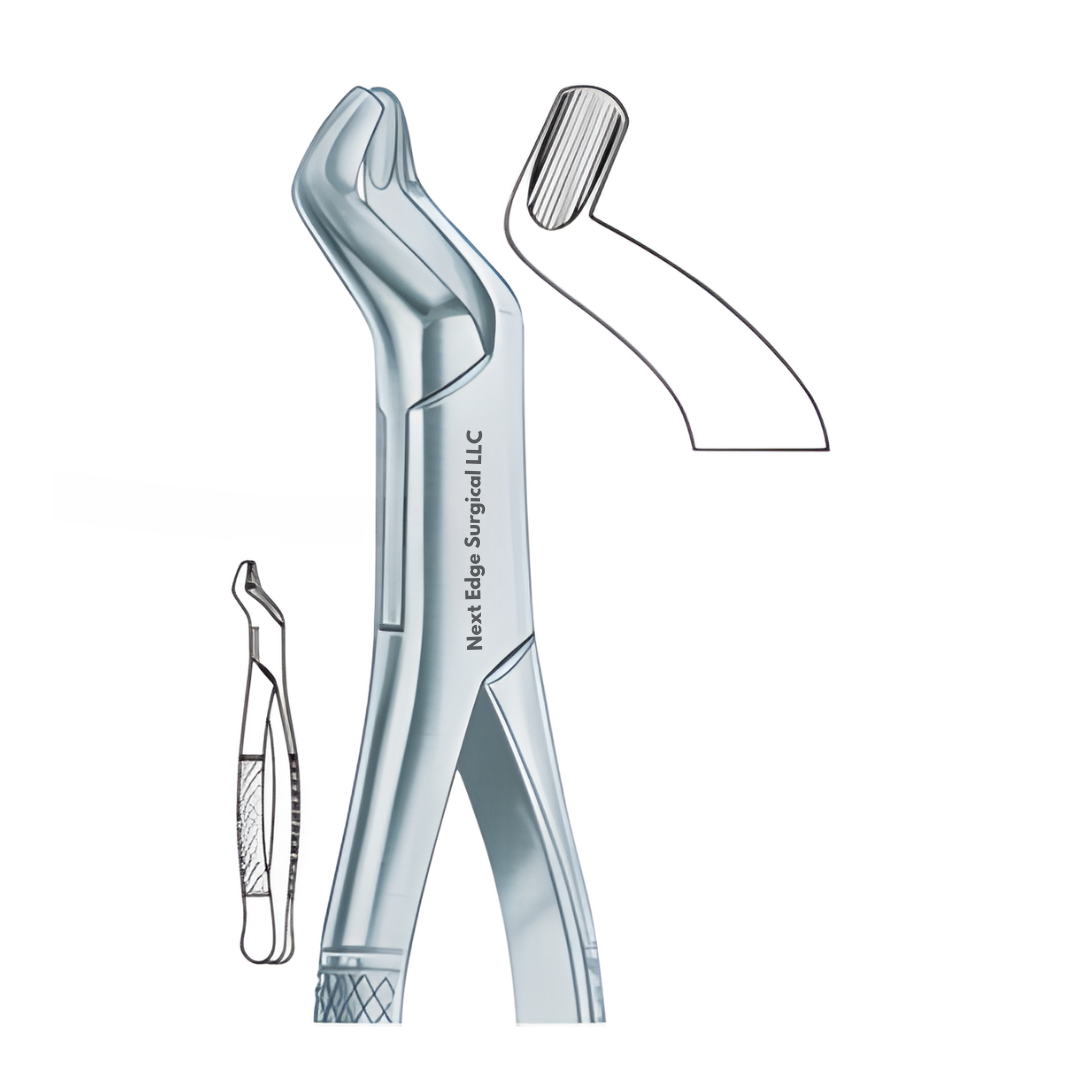
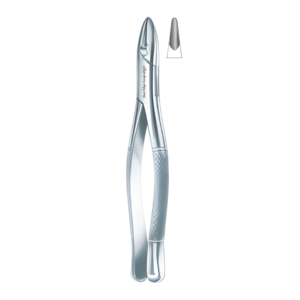
Dental Extraction Forceps – Upper Third Molars – NES-347
Upper wisdom tooth extraction can become challenging when the tooth sits far behind the second molar. Limited visibility, restricted access, and variations in root anatomy require careful instrument selection before the procedure begins.
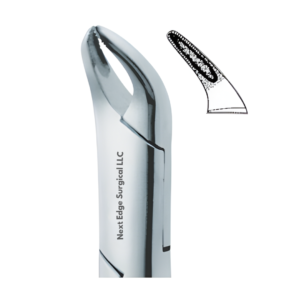
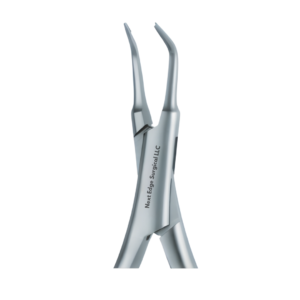
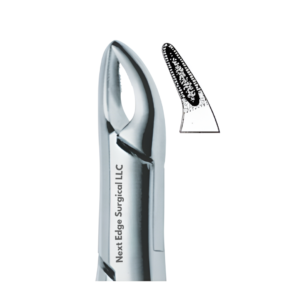
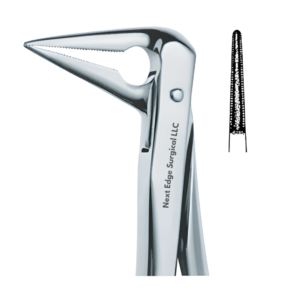
Our Upper Third Molars Forceps – NES-347 is designated for suitable maxillary wisdom tooth extractions. It provides a tooth-specific option for dental professionals preparing posterior upper-arch extraction procedures where controlled crown engagement is appropriate.
Managing Posterior Access During Wisdom Tooth Extraction
Maxillary third molars vary considerably in eruption position and root configuration. Some have fused roots, while others present separated or curved roots. Their proximity to the maxillary sinus can also influence the extraction approach.
NES-347 belongs to our dental extraction forceps collection. Its upper-third-molar designation identifies the intended tooth group. Clinical examination and appropriate imaging help determine whether forceps removal is suitable or whether additional surgical access is necessary.
Features and Benefits
| Feature | Benefit |
| Upper third molar designation | Focuses selection on maxillary wisdom teeth. |
| Posterior maxillary application | Relates to extraction behind the upper second molar. |
| Wisdom tooth focus | Supports preparation for suitable third molar procedures. |
| Crown engagement function | Complements controlled mobilization and tooth delivery. |
| Root anatomy relevance | Encourages assessment of variable third molar roots. |
| Extraction tray application | Provides a designated option for posterior upper-arch procedures. |
Instrument Care and Handling
Before treatment, inspect NES-347 for visible deposits, wear, and damage around its working surfaces. Confirm normal opening and closing movement. Arrange the forceps securely within the extraction tray, keeping its contact areas protected from heavier instruments.
After extraction, remove blood, tissue residue, and tooth particles promptly. Clean accessible joint areas and surfaces that contacted the crown. Complete the established cleaning and sterilization workflow before preparing the instrument for another patient.
When extracting an upper third molar, assess eruption status, crown accessibility, and root anatomy. A partially erupted or impacted tooth may require a different technique from a fully erupted wisdom tooth.
Consider the relationship between the roots and maxillary sinus during planning. Avoid uncontrolled pressure against the adjacent second molar or surrounding bone. If resistance remains significant, reassess the removal approach rather than increasing force unnecessarily.
Protect the cheek and surrounding soft tissues throughout instrument placement. Transfer the used forceps securely for processing and store it in a protected extraction tray afterward. Routine inspection supports consistent preparation for subsequent wisdom tooth procedures.
Product Specifications
| Specification | Details |
| Product Name | Upper Third Molars |
| SKU | NES-347 |
| Brand | Next Edge Surgical LLC |
| Product Category | Dental Extracting Forceps |
| Instrument Type | Upper Third Molar Extraction Forceps |
| Anatomical Region | Maxillary Third Molars |
| Intended Application | Upper Wisdom Tooth Extraction |
Frequently Asked Questions
Which teeth are targeted by NES-347?
Suitable upper third molars, commonly called wisdom teeth.
Why does eruption status matter?
It influences accessibility and the extraction technique.
Are upper wisdom tooth roots always separate?
No, they may be fused or anatomically variable.
Why consider the maxillary sinus?
Upper posterior roots can lie close to it.
How should NES-347 be maintained?
Clean, sterilize, inspect, and store
Reviews
There are no reviews yet.