

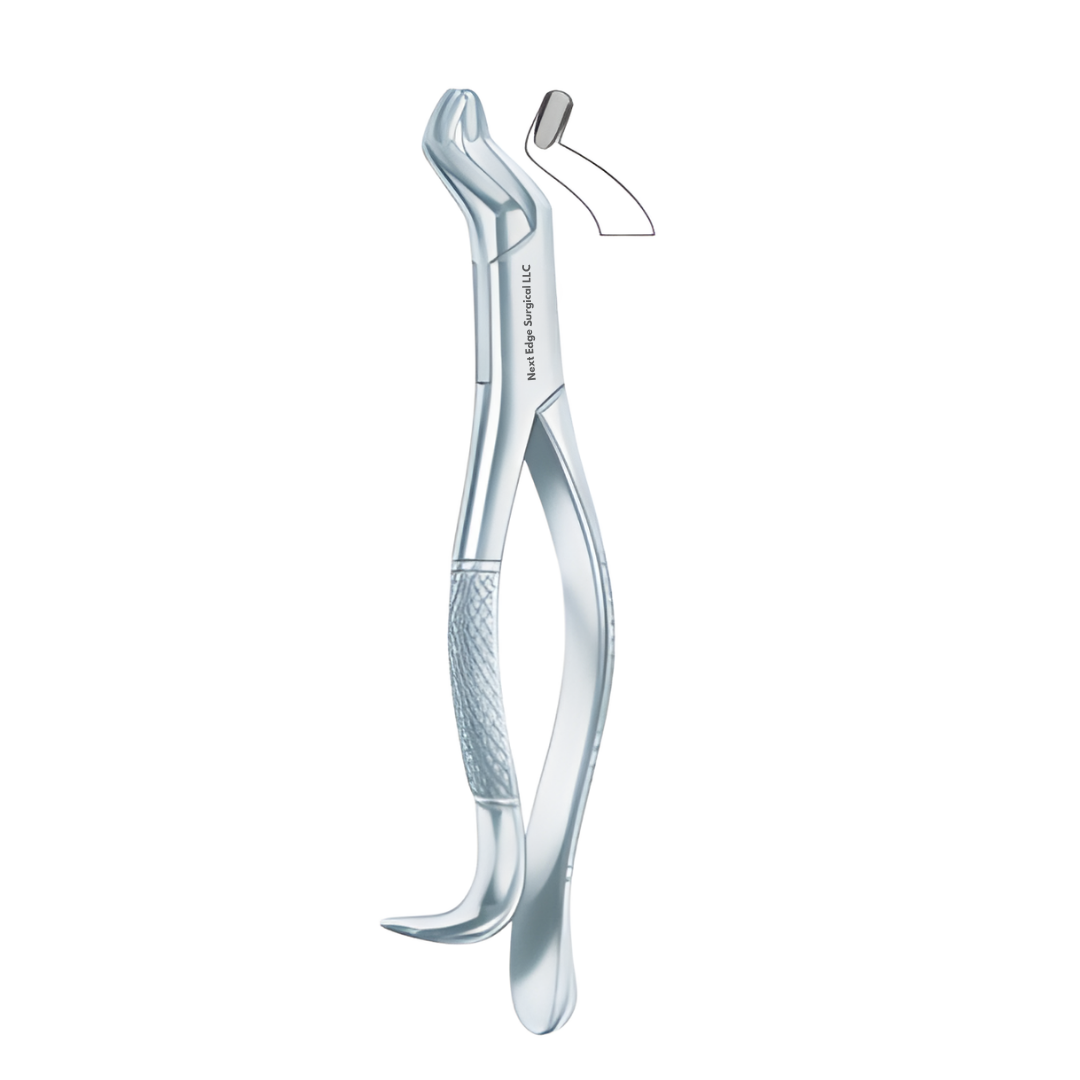
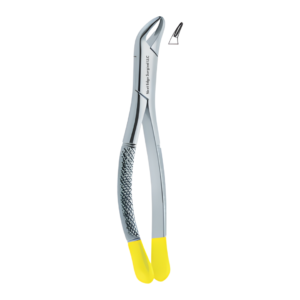
Dental Extraction Forceps – Upper Third Molars – NES-349
A maxillary wisdom tooth may appear accessible during examination, yet its roots and surrounding bone can make removal more complicated than expected. The tooth’s position, eruption status, and crown condition all influence extraction planning.
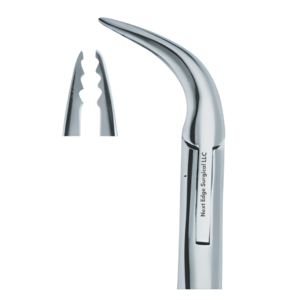
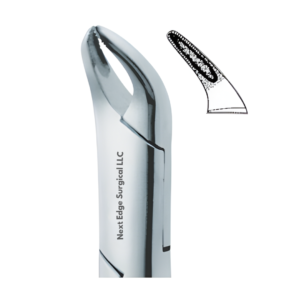
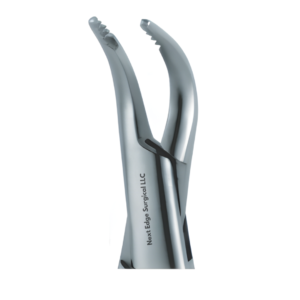
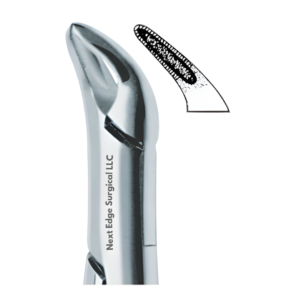
Our Upper Third Molars Forceps – NES-349 is designated for suitable upper wisdom tooth extractions. It provides another catalog option for clinicians preparing posterior maxillary procedures where controlled forceps engagement is appropriate.
Evaluating Crown Integrity and Root Configuration
Upper third molars often show considerable variation in crown form and root anatomy. Roots may be fused, curved, or separated, while the surrounding bone and proximity to the maxillary sinus can affect the removal approach.
NES-349 belongs to our dental extraction forceps collection. Its stated application matches NES-347, but a separate SKU does not establish a specific difference in working-end shape or dimensions. Clinical selection should consider the actual instrument and the individual tooth.
Features and Benefits
| Feature | Benefit |
| Upper third molar designation | Identifies the intended maxillary wisdom tooth group. |
| Posterior extraction application | Relates to procedures behind the upper second molar. |
| Crown engagement purpose | Supports grasping when adequate tooth structure is accessible. |
| Wisdom tooth anatomical focus | Encourages assessment of variable root configurations. |
| Upper-arch classification | Helps distinguish maxillary from mandibular extraction instruments. |
| Individual SKU identification | Supports organized catalog and extraction tray selection. |
Instrument Care and Handling
Inspect NES-349 before treatment for visible residue, damage, and changes in working condition. Confirm normal opening and closing movement. Protect the contact surfaces during instrument arrangement and avoid unnecessary impacts.
After extraction, promptly remove biological material and tooth fragments. Pay attention to accessible joint areas and gripping surfaces, particularly when the crown has fractured. Complete the established cleaning and sterilization workflow before returning the instrument to service.
Upper third molar extraction requires assessment of available crown structure. Extensive decay or restorations may affect engagement, while unusual root anatomy can increase the risk of fracture during removal.
Consider eruption status, posterior visibility, and sinus proximity before attempting forceps delivery. When access is inadequate or the tooth remains resistant, reassess the procedure instead of increasing pressure without control.
Protect the adjacent second molar, cheek, and surrounding tissues throughout instrument placement. Transfer the used forceps securely for processing. Following reprocessing, store NES-349 in a protected extraction tray away from heavier instruments. Routine inspection helps maintain organized preparation for subsequent posterior maxillary procedures.
Product Specifications
| Specification | Details |
| Product Name | Upper Third Molars |
| SKU | NES-349 |
| Brand | Next Edge Surgical LLC |
| Product Category | Dental Extracting Forceps |
| Instrument Type | Upper Third Molar Extraction Forceps |
| Anatomical Region | Maxillary Third Molars |
| Intended Application | Upper Wisdom Tooth Extraction |
Frequently Asked Questions
What is NES-349 intended for?
Suitable maxillary third molar extractions.
Is NES-349 different from NES-347?
Their stated applications match; physical differences need confirmation.
Why evaluate crown integrity?
A weakened crown can fracture during engagement.
Can upper wisdom teeth have fused roots?
Yes, fused roots are among their anatomical variations.
What care is recommended after use?
Cleaning, sterilization, inspection, and protected storage.
Reviews
There are no reviews yet.