


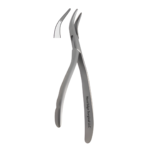
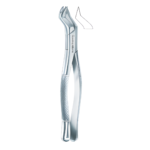
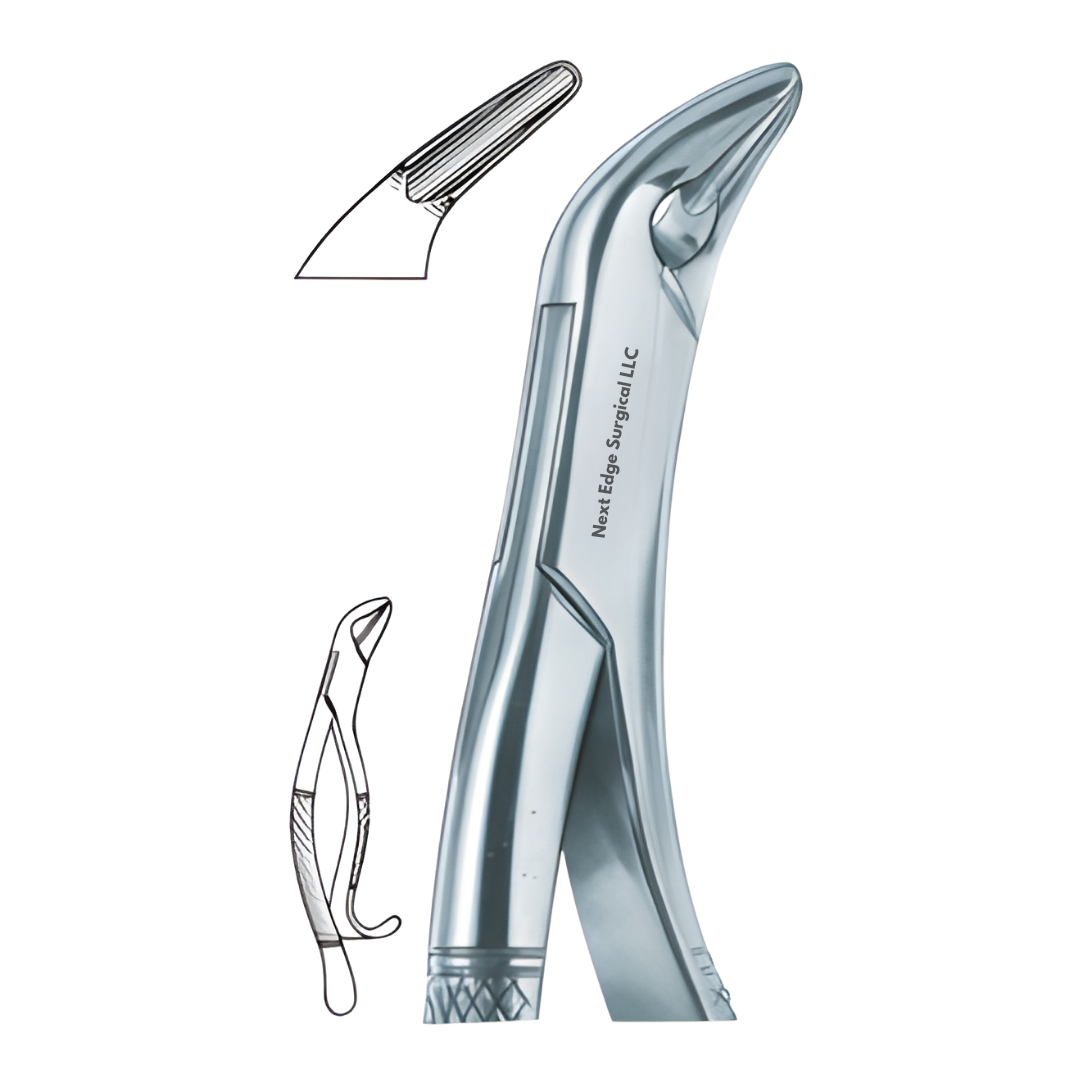
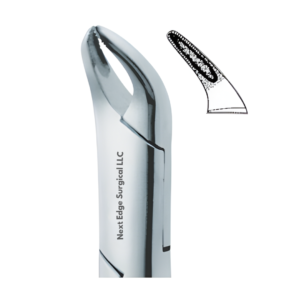
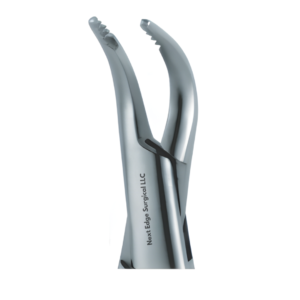
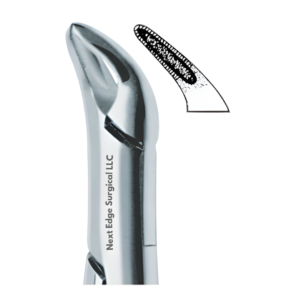
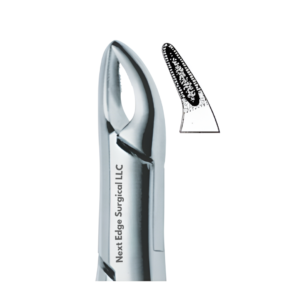
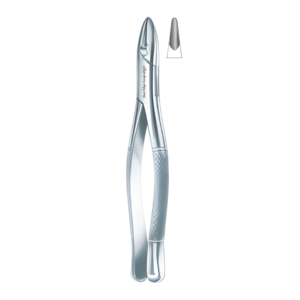
Dental Extraction Forceps – Tomas Lower Canines Premolars and Molars – NES-331
The mandibular arch brings together teeth with different crown profiles and root systems. A canine may have a long single root, while a molar commonly has two principal roots, creating different demands during extraction.
Our Tomas Lower Canines Premolars and Molars Forceps – NES-331 is designated for these lower tooth groups. It offers a Tomas-pattern option for clinicians planning suitable extractions across the canine, premolar, and molar regions.
Planning Tooth Engagement Along the Mandibular Arch
Lower canines often require attention to root length and periodontal support. Premolars may have curved or flattened roots, while molars typically present mesial and distal roots. These distinctions influence mobility, the condition of surrounding bone, and the direction of tooth delivery.
NES-331 belongs to our dental extraction forceps collection. Selection remains grounded in examination, access, and the intended extraction technique.
Features and Benefits
| Feature | Benefit |
| Tomas pattern designation | Identifies the named extraction instrument family. |
| Lower canine application | Relates to suitable long-rooted mandibular canine procedures. |
| Lower premolar application | Includes the tooth group between canines and molars. |
| Lower molar application | Addresses appropriate posterior mandibular extraction. |
| Multi-group mandibular scope | Supports planning across several lower tooth categories. |
| Crown engagement function | Complements controlled mobilization and tooth delivery. |
Instrument Care and Handling
Examine the gripping surfaces before treatment, checking for visible deposits, wear, or damage. Confirm normal opening and closing movement. Keep NES-331 positioned securely on the extraction tray so nearby instruments do not strike its working ends.
After a procedure, promptly remove blood, tissue residue, and tooth debris. Inspect accessible joint spaces as well as the areas that contacted the crown. Complete the established cleaning and sterilization workflow before the instrument is prepared for another patient.
For canines, evaluate the root’s length and the condition of supporting bone. Premolar removal may require particular attention to curvature, while molar extraction planning must account for root separation. A weakened crown can change the preferred engagement method regardless of tooth group.
Protect adjacent teeth and soft tissues while positioning the forceps. When resistance is unexpected, reassess mobility rather than increasing force indiscriminately. Transport the used instrument securely for processing and return it to protected storage afterward. Periodic inspection helps maintain organized preparation for varied lower-arch extraction appointments.
Product Specifications
| Specification | Details |
| Product Name | Tomas Lower Canines Premolars and Molars |
| SKU | NES-331 |
| Brand | Next Edge Surgical LLC |
| Product Category | Dental Extracting Forceps |
| Instrument Pattern | Tomas |
| Anatomical Region | Mandibular Canines, Premolars and Molars |
| Intended Application | Lower Tooth Extraction |
Frequently Asked Questions
Which teeth are included in NES-331’s designation?
Lower canines, premolars, and molars.
Why do molars need separate anatomical assessment?
Their roots commonly differ from canine and premolar roots.
What does the Tomas name indicate?
The instrument’s named extraction pattern.
Can a damaged crown affect extraction?
Yes, reduced structure can alter suitable engagement.
How is the forceps prepared for reuse?
Through cleaning, sterilization, inspection, and protected storage.
Reviews
There are no reviews yet.