


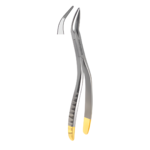
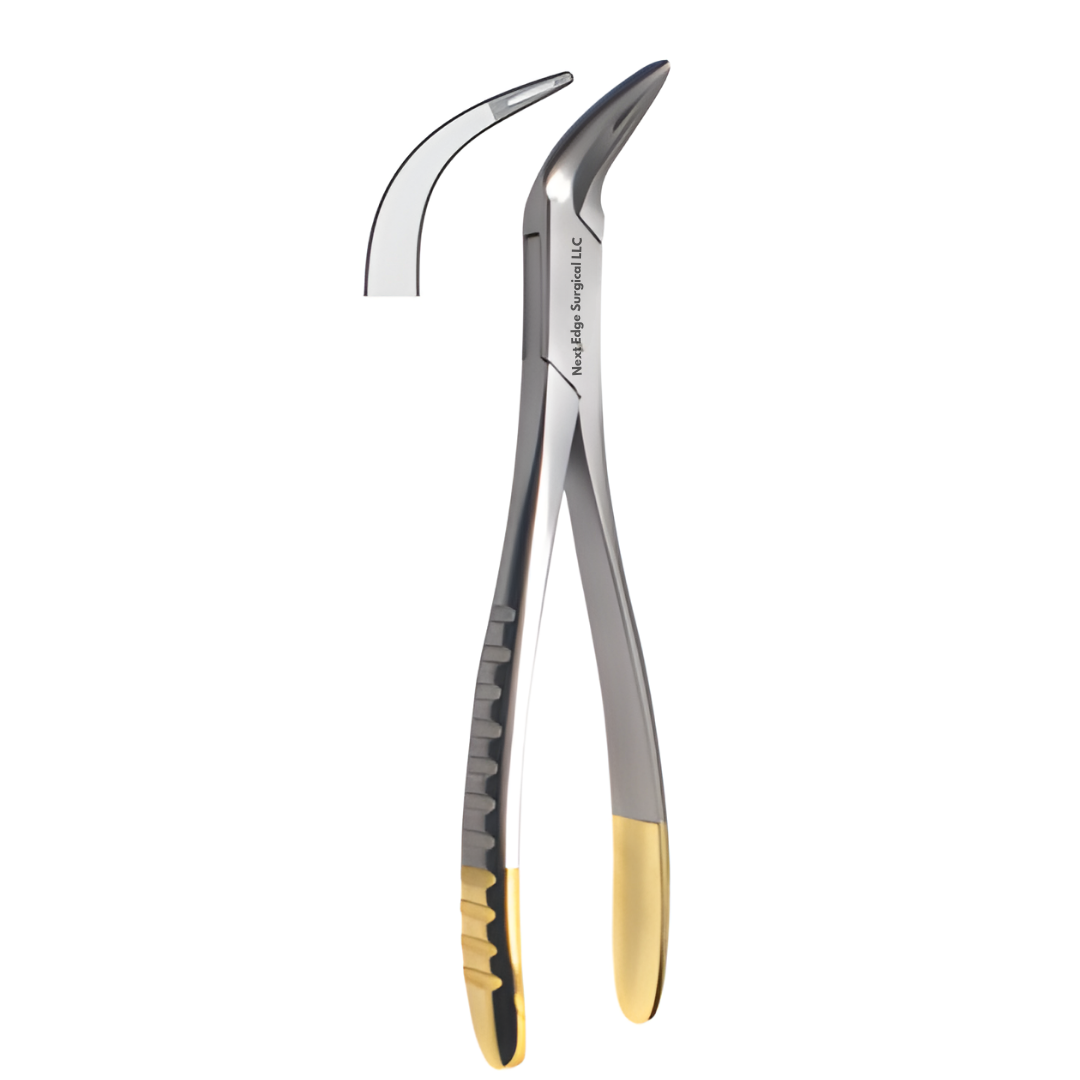
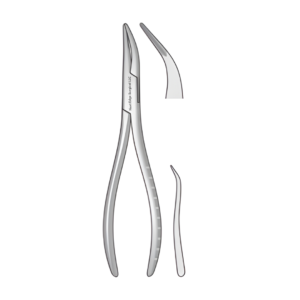
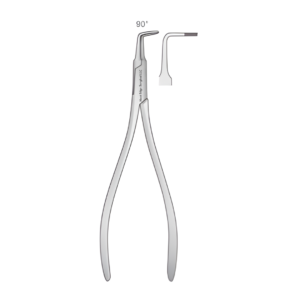
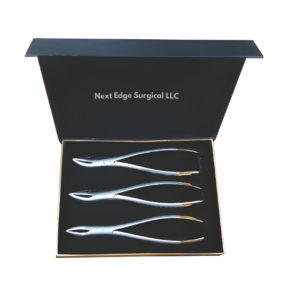
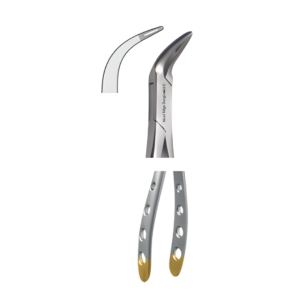
Dental Root Fragment Forceps – Lower roots, Universal – NES-279
A lower tooth with a fractured crown can leave its root firmly seated within the alveolar socket. At this stage, extraction becomes less about gripping the visible crown and more about accessing, mobilizing, and engaging the remaining tooth structure.
The Lower Roots Universal Forceps – NES-279 is part of our dental root fragment instrument collection. Intended for mandibular root removal, it provides dental professionals with a dedicated instrument for appropriate extraction procedures involving accessible lower roots.
Understanding Root Removal in the Mandibular Arch
Mandibular roots differ considerably between tooth groups. Lower incisors generally have narrow root structures, while premolars and molars can present more complicated anatomy. These differences influence how a clinician approaches the extraction site.
The universal lower-root designation places NES-279 among dental extraction forceps intended for suitable root-removal procedures across the mandibular arch. It offers a grasping option when adequate root structure is available and the tooth has been appropriately mobilized.
Root removal requires attention to surrounding bone, adjacent teeth, and the direction of movement. A controlled technique helps protect neighboring structures throughout the procedure.
Features and Benefits
| Feature | Benefit |
| Universal lower-root classification | Covers appropriate mandibular root-extraction applications. |
| Root-fragment instrument category | Addresses remaining roots following tooth damage or fracture. |
| Mandibular anatomical focus | Supports selection for procedures involving the lower jaw. |
| Direct root-engagement application | Provides a grasping option for accessible root structures. |
| Extraction workflow compatibility | Complements elevators and other root-removal instruments. |
| Dedicated clinical purpose | Separates root extraction from conventional intact-crown removal. |
Instrument Care and Handling
Before placing NES-279 on the treatment tray, inspect its gripping surfaces for accumulated material, visible wear, or deformation. Check that the instrument opens and closes smoothly without unusual resistance.
Following extraction, remove biological contamination promptly. Particular attention should be given to the areas that contact tooth structure, including the working ends and accessible joint surfaces.
Complete cleaning before sterilization using established dental instrument-reprocessing procedures. Instruments should remain separated during transportation to prevent their gripping surfaces from striking heavier equipment.
During treatment, avoid using excessive force against an immobile root. Adequate mobilization is important before attempting removal, particularly where surrounding bone offers considerable resistance.
When working around mandibular molars, consider root separation and proximity to adjacent anatomical structures. Appropriate instrument positioning supports controlled movement and helps reduce unnecessary pressure on surrounding tissues.
After processing, store the forceps in an organized instrument tray with the working ends protected. Routine inspection helps maintain consistent handling between procedures.
Product Specifications
| Specification | Details |
| Product Name | Lower Roots, Universal |
| SKU | NES-279 |
| Brand | Next Edge Surgical LLC |
| Category | Dental Root Fragment Forceps |
| Instrument Classification | Universal Lower-Root Forceps |
| Anatomical Region | Mandibular Dentition |
| Primary Application | Lower Dental Root Extraction |
Frequently Asked Questions
What is NES-279 primarily used for?
It is intended for appropriate mandibular root-extraction procedures.
What does the universal classification indicate?
It identifies a broader application across suitable lower-root cases.
Can it assist after crown fracture?
Yes, when the remaining root provides sufficient access for engagement.
Why is root mobilization important?
It helps prepare the remaining tooth structure for controlled removal.
How should the gripping ends be maintained?
Keep them clean, inspect them regularly, and protect them during storage.
Reviews
There are no reviews yet.