


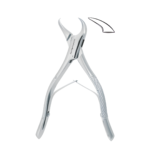
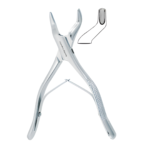
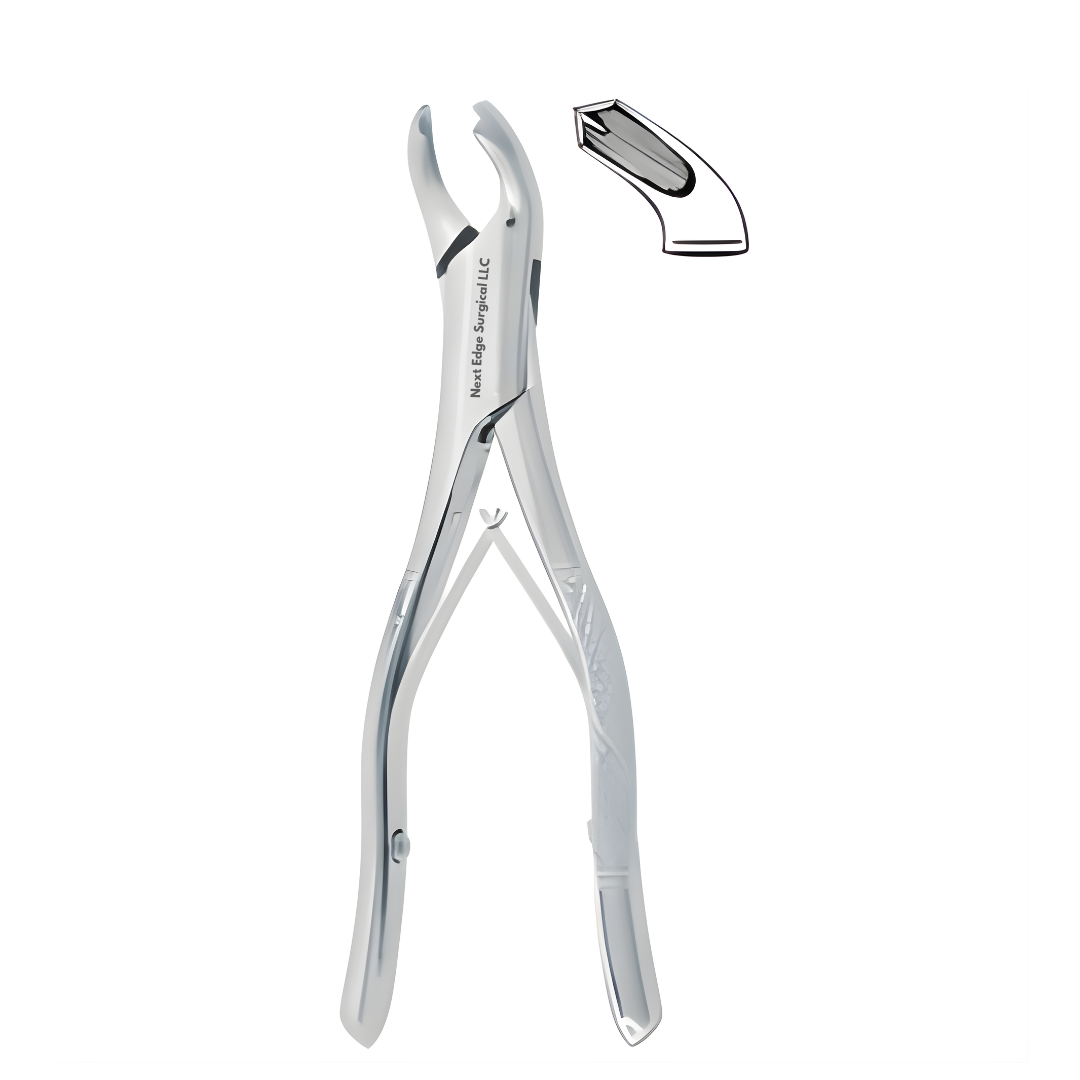
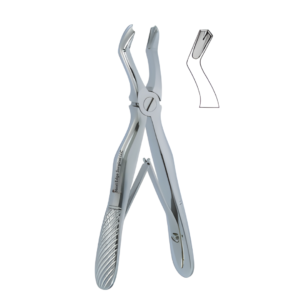
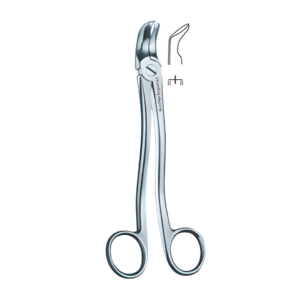
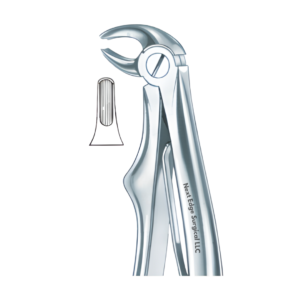
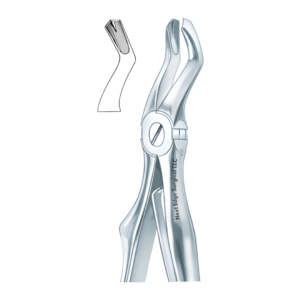
Dental Extraction Forceps – Universal Lower Molars – NES-209
Mandibular molars are supported by dense surrounding bone and frequently possess separate roots that influence their response to extraction forces. Successful removal begins with evaluating these anatomical relationships and selecting an appropriate instrument.
Our Universal Lower Molars Forceps – NES-209 is designated for suitable lower molar extraction procedures. The universal classification identifies its intended application across the mandibular molar region rather than restricting the product name to a single side.
Working With Mandibular Molar Root Anatomy
Lower first and second molars generally have mesial and distal roots, although variations in shape, curvature, and fusion occur. The clinician considers these features alongside periodontal support, crown condition, and available mobility when developing an extraction plan.
NES-209 forms part of our dental extraction forceps range. Its universal lower molar designation supports instrument selection for appropriate mandibular posterior procedures. Clinical evaluation determines whether conventional forceps delivery is suitable or whether additional mobilization is required.
Features and Benefits
| Feature | Benefit |
| Universal lower molar designation | Covers appropriate mandibular molar extraction applications. |
| Mandibular anatomical focus | Distinguishes its intended region from maxillary forceps. |
| Posterior tooth application | Supports treatment planning for lower back teeth. |
| Multi-root procedural relevance | Relates to commonly separated mesial and distal roots. |
| Crown engagement purpose | Supports grasping suitable remaining tooth structure. |
| Extraction sequence integration | Complements examination, elevation, and tooth delivery. |
Instrument Care and Handling
Inspect NES-209 before use, paying attention to the surfaces intended to contact the tooth. Look for visible wear, retained deposits, or damage. Confirm normal instrument movement and arrange the working ends away from heavier equipment during tray preparation.
Following a lower molar procedure, remove tooth fragments and biological residue without delay. Examine accessible joint areas for debris that may collect during extraction. Complete the established cleaning and sterilization process before placing the forceps back into service.
When approaching a mandibular molar, assess whether the crown can withstand engagement. Extensive decay, large restorations, or previous fractures may alter the preferred removal technique. Evaluate root separation and tooth mobility before applying extraction movements, particularly when the surrounding bone offers substantial resistance.
Protect adjacent teeth, gingival tissues, and the cheek throughout instrument placement. If the molar does not mobilize as expected, reassess the procedure instead of increasing force indiscriminately. After treatment, transport NES-209 securely for processing. Store the cleaned instrument in a protected lower extraction tray, with periodic inspection incorporated into routine instrument maintenance.
Product Specifications
| Specification | Details |
| Product Name | Universal Lower Molars |
| SKU | NES-209 |
| Brand | Next Edge Surgical LLC |
| Product Category | Dental Extracting Forceps |
| Instrument Type | Universal Lower Molar Forceps |
| Anatomical Region | Mandibular Molars |
| Intended Application | Lower Molar Extraction |
Frequently Asked Questions
What does universal lower molars describe?
The instrument’s intended mandibular molar application.
Do mandibular molars always have identical roots?
No, root number and configuration can vary.
Why evaluate the crown before engagement?
Damaged structure may fracture under extraction pressure.
What if a lower molar resists movement?
Reassess mobility and consider further appropriate mobilization.
Which areas require attention during cleaning?
Tooth-contact surfaces and accessible joint spaces.
Reviews
There are no reviews yet.