


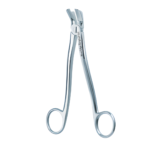
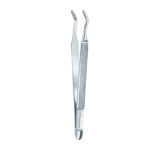
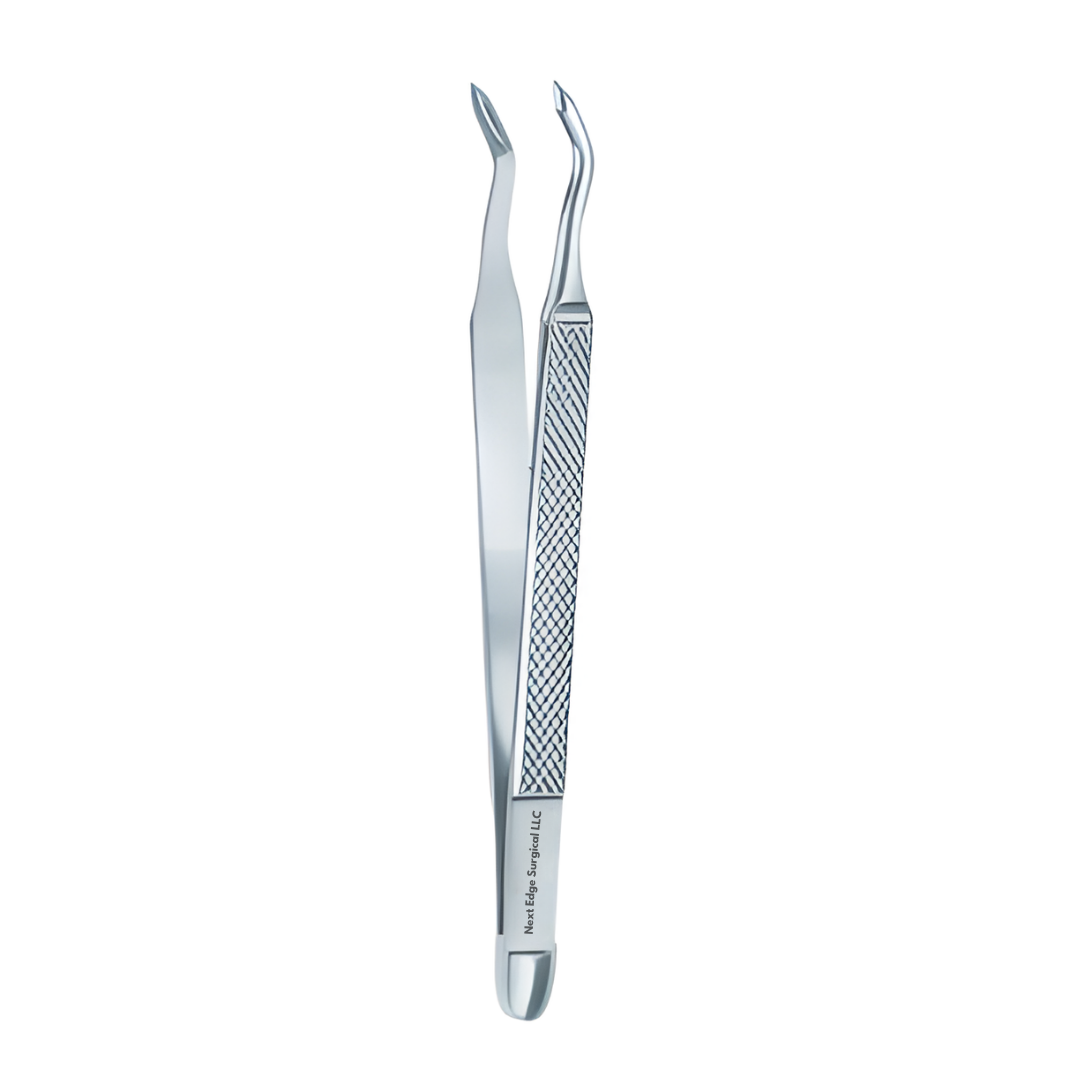
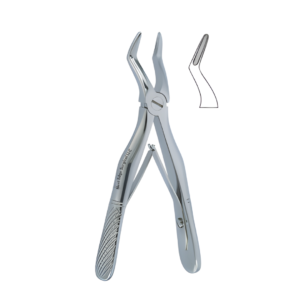
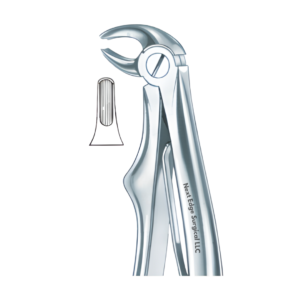
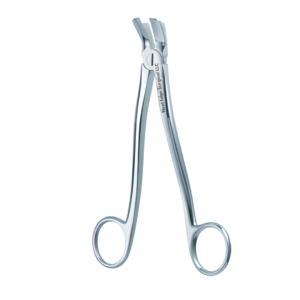
Dental Extraction Forceps – Albrecht – NES-206
Instrument names can identify a recognized pattern without describing every tooth it may encounter. In extraction setups, that distinction matters: the clinical team should select forceps by the planned procedure and the anatomy being treated.
Our Albrecht Forceps – NES-206 carries the Albrecht pattern designation within our dental extraction instrument range. It provides a named option for practitioners organizing tooth-removal equipment and evaluating appropriate engagement during treatment.
Understanding the Albrecht Extraction Pattern
Albrecht is a named forceps pattern appearing in dental instrument catalogs. Related catalog entries include molar and premolar applications, illustrating why the precise tooth being treated must guide selection rather than the pattern name alone. Crown condition and available access remain essential considerations.
NES-206 belongs to our dental extraction forceps collection. During clinical preparation, the practitioner evaluates the intended tooth, its root anatomy, periodontal support, and mobility. The forceps stage follows an appropriate assessment of whether the remaining crown permits secure engagement.
Features and Benefits
| Feature | Benefit |
| Albrecht designation | Identifies a recognized dental extraction instrument pattern. |
| Tooth-removal application | Places the instrument within clinical extraction workflows. |
| Forceps engagement function | Supports grasping suitable tooth structure during removal. |
| Pattern-based selection | Encourages matching the instrument to the planned procedure. |
| Extraction tray role | Complements elevators and other tooth-removal instruments. |
| Clinical handling relevance | Supports deliberate engagement after mobility assessment. |
Instrument Care and Handling
Prepare NES-206 by inspecting the working ends under adequate lighting. Look for adherent residue, surface irregularities, and visible damage. Check the movement of the instrument and place it where contact areas will not strike neighboring tools.
After extraction, remove contamination before debris dries onto the surfaces. Examine the accessible joint and gripping areas for retained material, particularly after treatment involving a damaged crown. Follow the established cleaning and sterilization workflow and handle the processed instrument using appropriate infection-control practices.
Instrument choice should reflect the tooth actually being removed. Assess the crown’s ability to tolerate engagement, the direction of mobility, and the presence of adjacent restorations. If resistance is unexpectedly high, reconsider the removal technique rather than increasing pressure indiscriminately.
During treatment, maintain visibility of the operative field and protect neighboring tissues from unintended contact. Transfer the forceps securely to the processing area. After reprocessing, store it in a protected tray with other extraction instruments. Regular examination helps the team identify wear before subsequent appointments and maintain a consistent instrument preparation routine.
Product Specifications
| Specification | Details |
| Product Name | Albrecht |
| SKU | NES-206 |
| Brand | Next Edge Surgical LLC |
| Product Category | Dental Extracting Forceps |
| Instrument Pattern | Albrecht |
| Instrument Type | Tooth Extraction Forceps |
| Intended Application | Dental Tooth Extraction |
Frequently Asked Questions
What does Albrecht identify?
A named pattern within dental extraction instrument catalogs.
Is the pattern name enough to select forceps?
No, tooth anatomy and clinical application guide selection.
Why assess the crown before grasping?
Damaged tooth structure can fracture under pressure.
Can other instruments be used during extraction?
Yes, elevators and other instruments may support mobilization.
What care follows clinical use?
Prompt cleaning, sterilization, inspection, and protected storage.
Reviews
There are no reviews yet.