


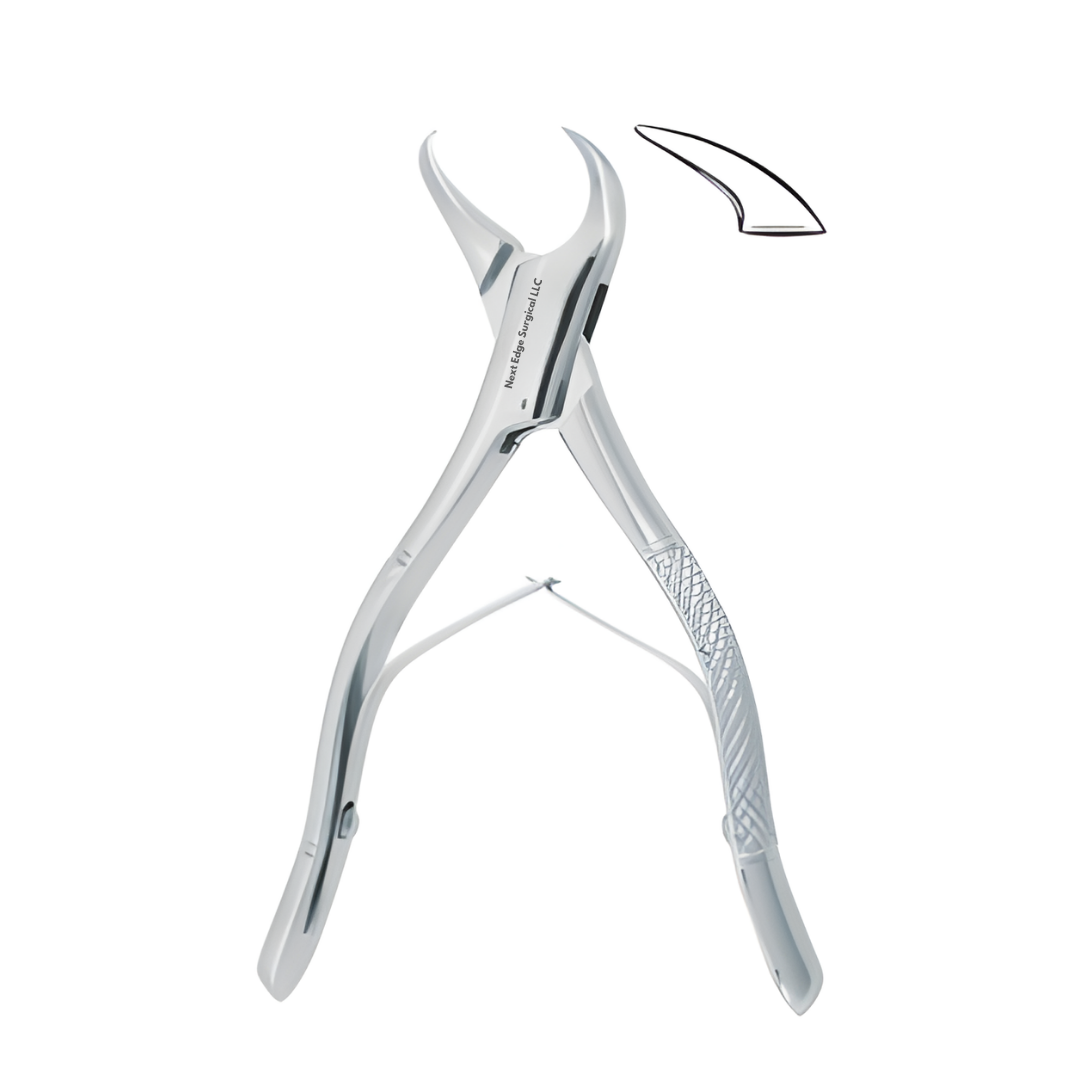
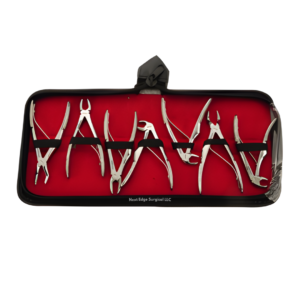
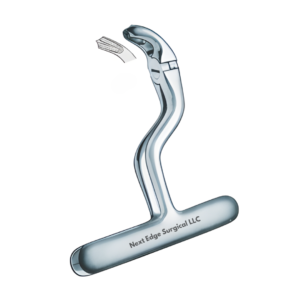
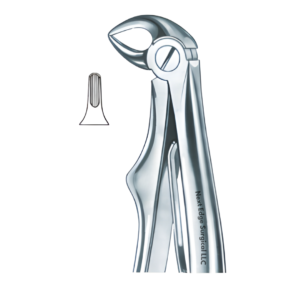
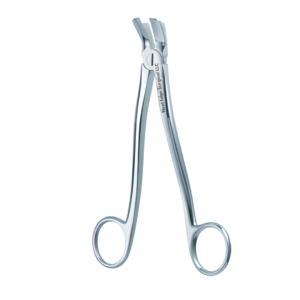
Dental Extraction Forceps – Upper Molars Sup – NES-208
Upper molar extraction involves more than gaining access to a posterior crown. The clinician must account for the tooth’s root arrangement, surrounding alveolar bone, and proximity to neighboring anatomical structures before attempting removal.
Our Upper Molars Sup Forceps – NES-208 is designated for maxillary molar extraction. It provides an instrument option for suitable upper posterior teeth after the practitioner has evaluated crown integrity, mobility, and the intended direction of delivery.
Understanding Maxillary Molar Extraction Requirements
Upper first and second molars commonly have three roots, including two buccal roots and one palatal root. Their separation and curvature can influence resistance during extraction. The relationship between posterior roots and the maxillary sinus also deserves attention during clinical planning.
NES-208 belongs to our dental extraction forceps collection. Its upper molar designation identifies the intended dental region. Appropriate instrument engagement follows examination of the tooth’s accessibility, remaining structure, and response to preliminary mobilization.
Features and Benefits
| Feature | Benefit |
| Upper molar designation | Identifies the intended maxillary posterior tooth group. |
| Molar extraction application | Supports removal of suitable upper molars. |
| Posterior anatomical focus | Relates to access behind the upper premolars. |
| Multi-root clinical context | Supports planning around buccal and palatal roots. |
| Crown engagement function | Provides grasping when adequate tooth structure remains. |
| Extraction workflow role | Complements assessment, mobilization, and controlled delivery. |
Instrument Care and Handling
Before treatment, examine the gripping surfaces for visible damage, residue, or irregularities. Check normal opening and closing movement during instrument preparation. Arrange the forceps securely on the tray so its working ends remain protected from contact with other tools.
After an upper molar extraction, remove blood, tooth particles, and biological debris promptly. Clean the tooth-contact surfaces and accessible joint areas thoroughly. Complete the established cleaning and sterilization workflow before returning the instrument to clinical use.
During extraction, evaluate the condition of existing restorations and remaining crown structure. A weakened crown may fracture when excessive pressure is applied. Root divergence and surrounding bone can also affect mobility, making additional elevation or another removal technique appropriate in selected situations.
Maintain awareness of adjacent teeth, cheek tissues, and the maxillary sinus during treatment planning. Avoid uncontrolled movements when resistance increases. Transport NES-208 securely after use and place it in protected storage following reprocessing. Routine inspection helps maintain consistent preparation for subsequent maxillary molar procedures.
Product Specifications
| Specification | Details |
| Product Name | Upper Molars Sup |
| SKU | NES-208 |
| Brand | Next Edge Surgical LLC |
| Product Category | Dental Extracting Forceps |
| Instrument Type | Upper Molar Extraction Forceps |
| Anatomical Region | Maxillary Molars |
| Intended Application | Upper Molar Extraction |
Frequently Asked Questions
Which teeth are targeted by NES-208?
Suitable molars in the upper dental arch.
Why is maxillary molar root anatomy important?
Root separation and curvature influence extraction resistance.
Can existing restorations affect removal?
Yes, extensive restorations may weaken crown engagement.
Why assess the maxillary sinus?
Upper posterior roots can lie near this anatomical structure.
How should the instrument be maintained?
Through cleaning, reprocessing, inspection, and protected storage.
Reviews
There are no reviews yet.