


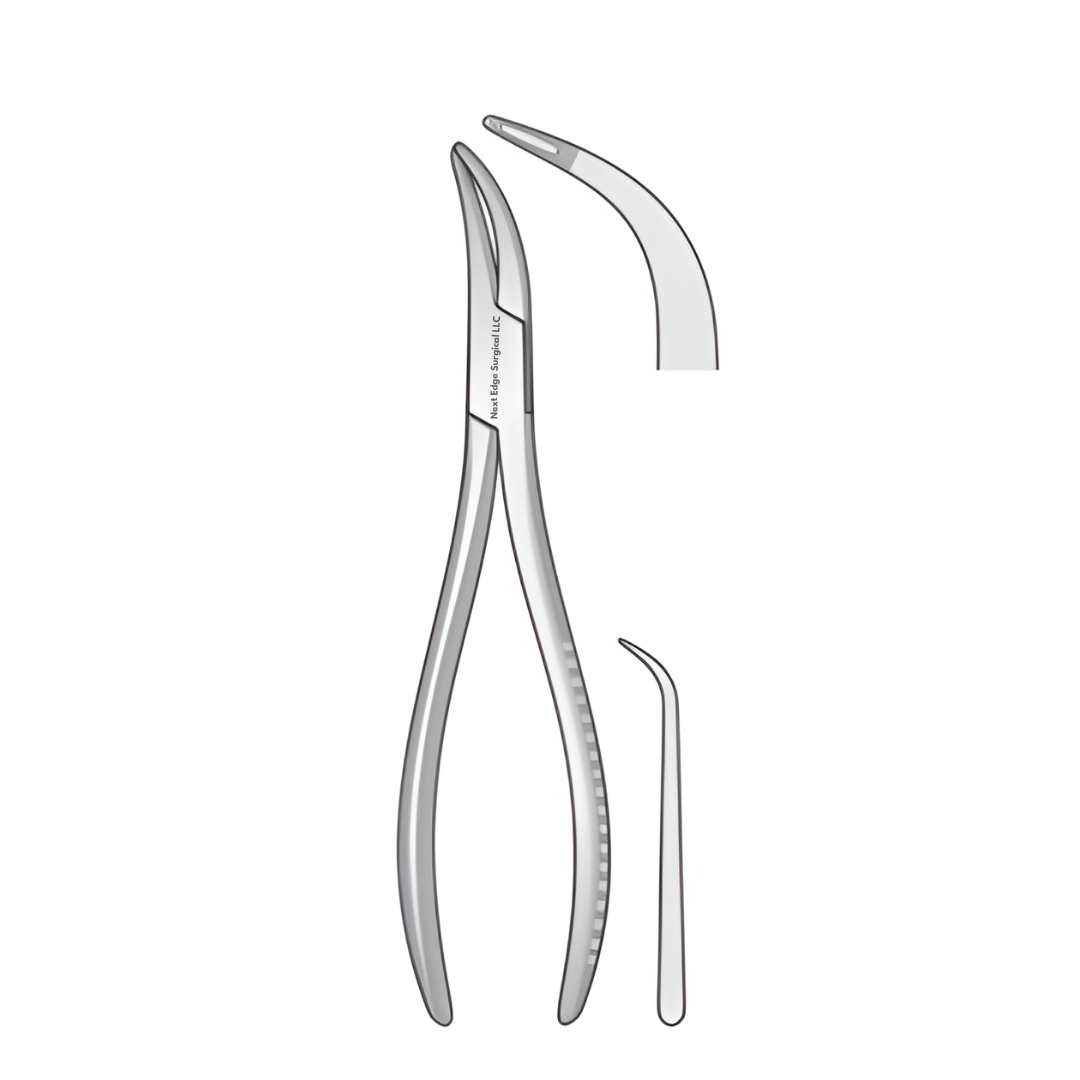
Dental Root Fragment Forceps – Witzel Lower roots, Universal – NES-271
Mandibular root extraction becomes particularly demanding when a tooth has lost most of its crown. The remaining structure may be difficult to engage, especially in posterior areas where access and visibility are restricted.
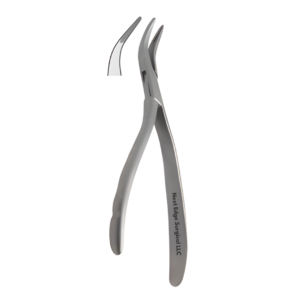
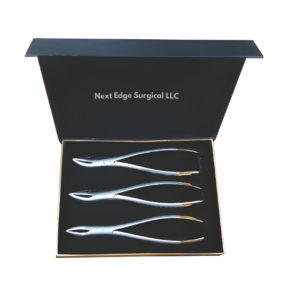
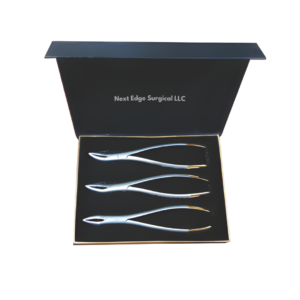
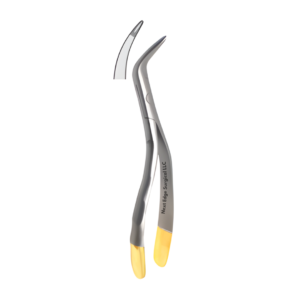
Our Witzel Lower Roots Universal Forceps – NES-271 is intended for lower dental root extraction. Its Witzel designation identifies a recognized root-forceps family, while the universal classification describes its application across suitable lower-root extraction cases.
Addressing Root Extraction Challenges in the Lower Jaw
Lower teeth present different extraction considerations depending on their position. Anterior roots are generally narrower, while posterior roots may have greater curvature, multiple root divisions, or substantial surrounding bone support.
Witzel-type instruments are associated with gripping remaining root structures during extraction. They occupy a different role from instruments used only for retrieving tiny splinters. As specialized dental extraction forceps, NES-271 belongs in the clinician’s selection of tools for appropriate mandibular root-removal procedures.
The universal designation refers to its intended range of lower-root applications rather than unrestricted suitability for every clinical situation.
Features and Benefits
| Feature | Benefit |
| Witzel pattern classification | Identifies an established root-extraction instrument family. |
| Lower-root application | Supports instrument selection for mandibular root removal. |
| Universal designation | Covers suitable lower-root extraction applications. |
| Remaining-root focus | Addresses procedures involving reduced crown structure. |
| Mandibular surgical relevance | Fits clinical workflows involving lower dental roots. |
| Root-specific extraction purpose | Distinguishes it from instruments intended mainly for intact crowns. |
Instrument Care and Handling
Root forceps experience substantial mechanical demands during extraction. Examine the gripping areas before each procedure, paying attention to signs of deformation, damage, or deposits that could interfere with root engagement.
Inspect the operating mechanism for smooth movement. Unusual resistance or misalignment can affect instrument control and should be addressed before clinical use.
Following treatment, remove visible contamination through the established cleaning process. Working surfaces and accessible joint areas require careful attention because biological material can accumulate during extraction.
Complete the appropriate cleaning and sterilization workflow before returning the instrument to service. Keep the forceps positioned so the working ends are protected during transport and storage.
Clinically, root engagement should follow an assessment of remaining tooth structure and surrounding anatomy. Lower molar roots may require separation or additional surgical access before removal. Excessive force should not substitute for an appropriate extraction technique.
Product Specifications
| Specification | Details |
| Product Name | Witzel Lower Roots, Universal |
| SKU | NES-271 |
| Brand | Next Edge Surgical LLC |
| Product Category | Dental Root Fragment Forceps |
| Instrument Family | Witzel |
| Anatomical Application | Lower jaw |
| Intended Use | Mandibular root extraction |
| Pattern Classification | Universal |
Frequently Asked Questions
What does the Witzel designation identify?
It identifies a recognized family of dental root-extraction instruments.
Which dental arch is NES-271 intended for?
The lower jaw, including suitable mandibular root procedures.
Does universal mean it works for every root?
No. Selection depends on root anatomy and clinical accessibility.
Can it be used when a crown has fractured?
It is intended for suitable root-extraction situations involving remaining tooth structure.
Why inspect the gripping surfaces regularly?
Wear or damage can interfere with controlled root engagement.
Reviews
There are no reviews yet.