


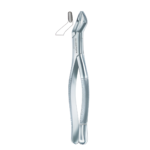
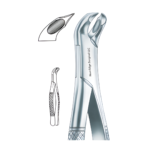
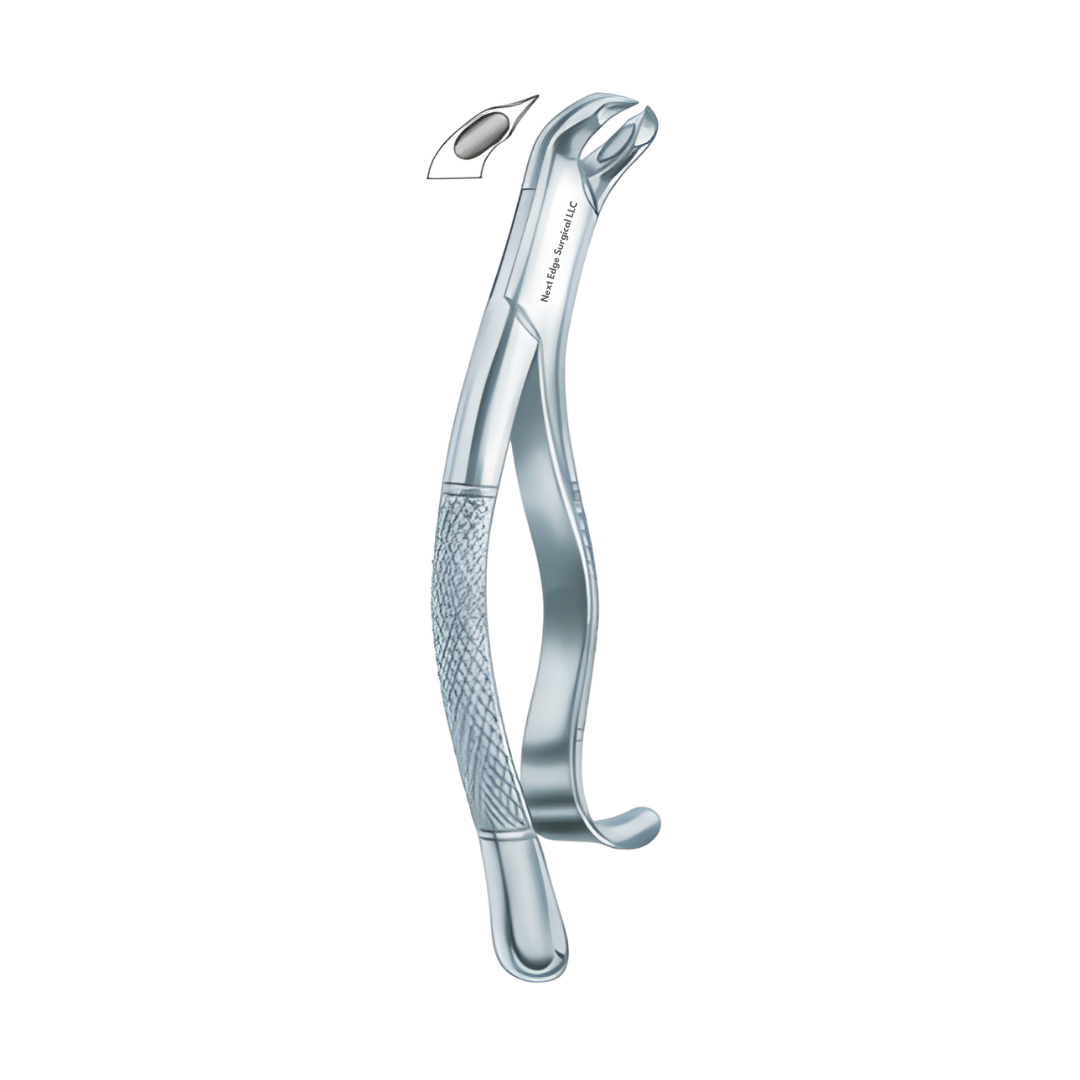
Dental Extraction Forceps – Woodward Lower Molars – NES-361
Lower molars often require careful extraction planning because their roots may extend in different directions within dense mandibular bone. Crown condition, root separation, and access to the posterior dental arch can influence instrument selection.
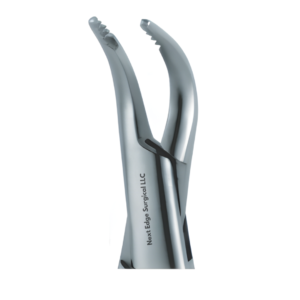
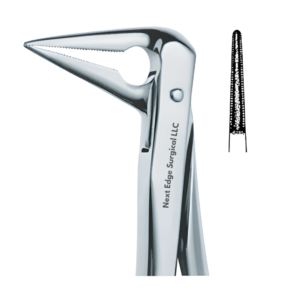
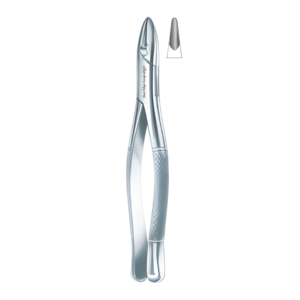
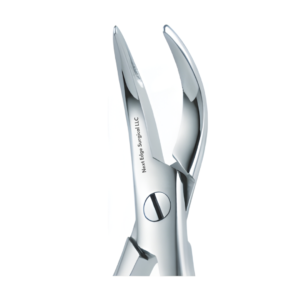
Our Woodward Lower Molars Forceps – NES-361 is designated for suitable mandibular molar extraction procedures. Its Woodward pattern provides a named instrument option for dental professionals preparing lower posterior extraction trays.
Understanding Mandibular Molar Extraction Requirements
Mandibular first and second molars commonly have mesial and distal roots. These roots may be curved, divergent, or occasionally fused. Their configuration influences tooth mobility and the technique required for removal.
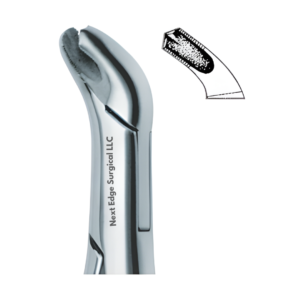
NES-361 forms part of our dental extraction forceps collection. Its Woodward designation identifies the named instrument pattern, while its lower molar classification establishes the intended tooth group. Appropriate selection depends on clinical examination, crown integrity, and assessment of the actual forceps configuration.
Features and Benefits
| Feature | Benefit |
| Woodward pattern | Identifies a named extraction instrument classification. |
| Lower molar application | Focuses selection on suitable mandibular molar procedures. |
| Posterior mandibular designation | Supports preparation for lower back-tooth extraction. |
| Tooth engagement function | Complements controlled mobilization and tooth delivery. |
| Molar-specific classification | Helps distinguish posterior instruments from anterior forceps. |
| Individual SKU identification | Supports inventory management and instrument organization. |
Instrument Care and Handling
Before treatment, inspect NES-361 for visible deposits, wear, and damage around its working surfaces. Confirm normal opening and closing movement. Position the forceps securely within the extraction tray to protect its contact areas.
After extraction, promptly remove blood, tissue deposits, and tooth particles. Clean accessible joint areas and gripping surfaces thoroughly. Follow validated cleaning and sterilization instructions before preparing the instrument for another patient.
During mandibular molar extraction, evaluate root divergence and the surrounding alveolar bone. Teeth with separated roots may respond differently from those with fused roots, affecting the planned mobilization technique.
Assess crown integrity before engagement. Extensive restorations or decay may weaken the crown and increase the possibility of fracture during removal.
Protect neighboring teeth, gingiva, and cheek tissues throughout instrument placement. Maintain visibility and controlled movements while evaluating tooth mobility.
If unexpected resistance occurs, reassess the extraction approach rather than increasing pressure without control. Additional instruments or techniques may be necessary for difficult cases.
Transfer the used forceps securely for reprocessing. After cleaning, sterilization, and inspection, store NES-361 in a protected posterior extraction tray. Routine condition checks help identify wear and support organized preparation for future mandibular molar procedures.
Product Specifications
| Specification | Details |
| Product Name | Woodward Lower Molars |
| SKU | NES-361 |
| Brand | Next Edge Surgical LLC |
| Product Category | Dental Extracting Forceps |
| Instrument Pattern | Woodward |
| Anatomical Region | Mandibular Molars |
| Intended Application | Lower Molar Extraction |
Frequently Asked Questions
Which teeth are targeted by NES-361?
Suitable lower molar teeth.
What does Woodward identify?
The named extraction instrument pattern.
Why is molar root separation important?
It can influence mobility and extraction resistance.
Should damaged crowns be assessed before extraction?
Yes, weakened crowns may fracture during engagement.
How should NES-361 be maintained?
Clean, sterilize, inspect, and store it appropriately.
Reviews
There are no reviews yet.