


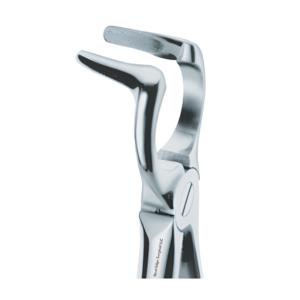
Dental Extraction Forceps – Lower Teeth for Children – NES-315
Children’s lower teeth are not simply smaller versions of adult teeth. Their roots change as permanent successors develop, and the timing of an extraction can affect the surrounding primary and emerging dentition.
Our Lower Teeth for Children Forceps – NES-315 is designated for pediatric extraction procedures in the mandibular arch. It offers a lower-arch instrument choice within a clinical workflow that prioritizes careful assessment, gentle communication, and protection of developing structures.
Working Around Developing Lower Dentition
Primary teeth have roots that undergo physiological resorption as their permanent successors approach eruption. The stage of development differs by tooth and patient, so the clinician considers radiographs, mobility, and the location of the permanent tooth before proceeding.
NES-315 is included in our dental extraction forceps range for children’s lower teeth. Its designation covers the mandibular pediatric dentition rather than a single named tooth group. Selection within the treatment plan depends on the tooth involved, available crown structure, and the child’s ability to cooperate comfortably.
Features and Benefits
| Feature | Benefit |
| Pediatric designation | Identifies use within children’s dental extraction procedures. |
| Lower-arch application | Focuses selection on mandibular teeth. |
| Primary dentition relevance | Supports planning around changing deciduous tooth anatomy. |
| Crown engagement role | Provides grasping during appropriate pediatric tooth removal. |
| Development-aware workflow | Encourages assessment of nearby permanent successors. |
| Clinical extraction purpose | Fits an organized pediatric treatment and instrument setup. |
Instrument Care and Handling
Inspect the contact surfaces before the child enters the treatment area. Look for retained deposits, uneven contact, or visible wear. Test the instrument’s movement during setup so attention can remain on the patient once treatment begins.
Following the procedure, clear blood and tissue residue promptly from the working ends. Clean accessible joint areas thoroughly and complete the established reprocessing and sterilization steps. Keep processed instruments in protected storage until needed for another appointment.
When working with primary teeth, consider the extent of root resorption and the position of developing permanent teeth. Avoid unnecessary pressure on adjacent crowns or the surrounding soft tissues. If a primary tooth fractures or remains resistant, reassess the removal technique instead of increasing force.
Present instruments only when required and maintain a clear working area around the child. Secure NES-315 during transport to prevent impact with larger equipment. Regular inspection supports orderly pediatric tray preparation and helps identify any change in working condition.
Product Specifications
| Specification | Details |
| Product Name | Lower Teeth for Children |
| SKU | NES-315 |
| Brand | Next Edge Surgical LLC |
| Product Category | Dental Extracting Forceps |
| Instrument Type | Pediatric Lower Tooth Extraction Forceps |
| Anatomical Region | Mandibular Dentition in Children |
| Intended Application | Pediatric Lower Tooth Extraction |
Frequently Asked Questions
Who is NES-315 intended for?
Children undergoing suitable lower tooth extraction procedures.
Why examine developing permanent teeth?
Their position influences planning for primary tooth removal.
Does primary root anatomy remain constant?
No, roots change as physiological resorption progresses.
Why prepare instruments before the appointment?
It supports an organized, child-focused treatment environment.
How should the forceps be protected afterward?
Clean, reprocess, and store it securely.
Reviews
There are no reviews yet.