

Dental Extraction Forceps – Lower Molars – NES-314
A mandibular molar may loosen gradually while still resisting removal along one root. That difference matters when choosing how to engage the crown and when to change from forceps movements to another extraction technique.
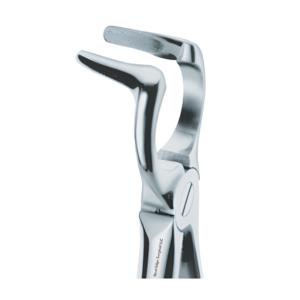
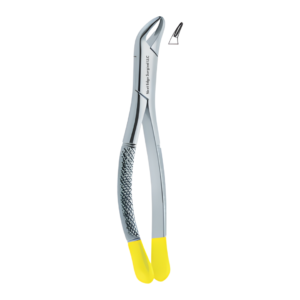
Our Lower Molars Forceps – NES-314 is intended for lower posterior tooth extraction. It provides a molar-specific instrument choice for clinicians working with the crown, periodontal attachment, and surrounding mandibular bone during a planned procedure.
Understanding Mobility Across Molar Roots
Lower first and second molars commonly have mesial and distal roots. One root may be more curved or more firmly retained than the other. Clinical examination and radiographs help the operator evaluate these differences before applying extraction movements.
NES-314 belongs to our dental extraction forceps collection for mandibular molars. Instrument choice should reflect the condition of the remaining crown, accessibility behind the premolars, and the amount of mobility achieved. When resistance remains localized, further assessment is preferable to escalating force.
Features and Benefits
| Feature | Benefit |
| Lower molar designation | Identifies the intended mandibular posterior tooth group. |
| Crown engagement purpose | Supports grasping where sufficient natural tooth structure remains. |
| Multi-root clinical context | Fits planning around common mesial and distal molar roots. |
| Posterior extraction application | Relates to procedures performed behind the mandibular premolars. |
| Forceps-stage function | Complements tooth mobilization undertaken with appropriate elevators. |
| Tooth-specific selection | Helps distinguish molar procedures from anterior extraction requirements. |
Instrument Care and Handling
Begin each appointment by examining the tooth-contact areas for visible damage, deposits, and irregular surfaces. Check opening and closing movement before positioning the forceps on the tray. A change in movement or contact should be addressed before use.
After extraction, remove organic material before it dries around the working ends. Pay attention to the accessible joint and any areas where small tooth fragments can lodge. Follow the practice’s established cleaning and sterilization workflow, then protect the processed instrument from handling contamination.
During clinical use, evaluate whether the crown can support a stable grasp. Excessive pressure on a weakened molar can fracture remaining structure and complicate removal. Assess mobility progressively, taking root shape and nearby anatomical structures into account.
Place NES-314 securely during transport rather than allowing it to move freely against heavier tools. Store it in a designated extraction tray after processing. Periodic inspection helps the team recognize wear and maintain a consistent preparation routine for lower molar appointments.
Product Specifications
| Specification | Details |
| Product Name | Lower Molars |
| SKU | NES-314 |
| Brand | Next Edge Surgical LLC |
| Product Category | Dental Extracting Forceps |
| Instrument Type | Lower Molar Extraction Forceps |
| Anatomical Region | Mandibular Posterior Dentition |
| Intended Application | Lower Molar Extraction |
Frequently Asked Questions
What teeth is NES-314 intended to remove?
Suitable molars in the mandibular arch.
Why assess each molar root separately?
Root curvature and retention can differ within one tooth.
What if the crown is severely weakened?
The clinician may select another extraction approach.
Can elevators assist before forceps use?
Yes, when preliminary mobilization is appropriate.
Where should residue be removed during cleaning?
From contact surfaces and accessible joint areas.
Reviews
There are no reviews yet.