


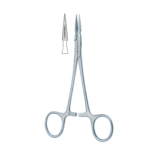
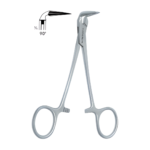
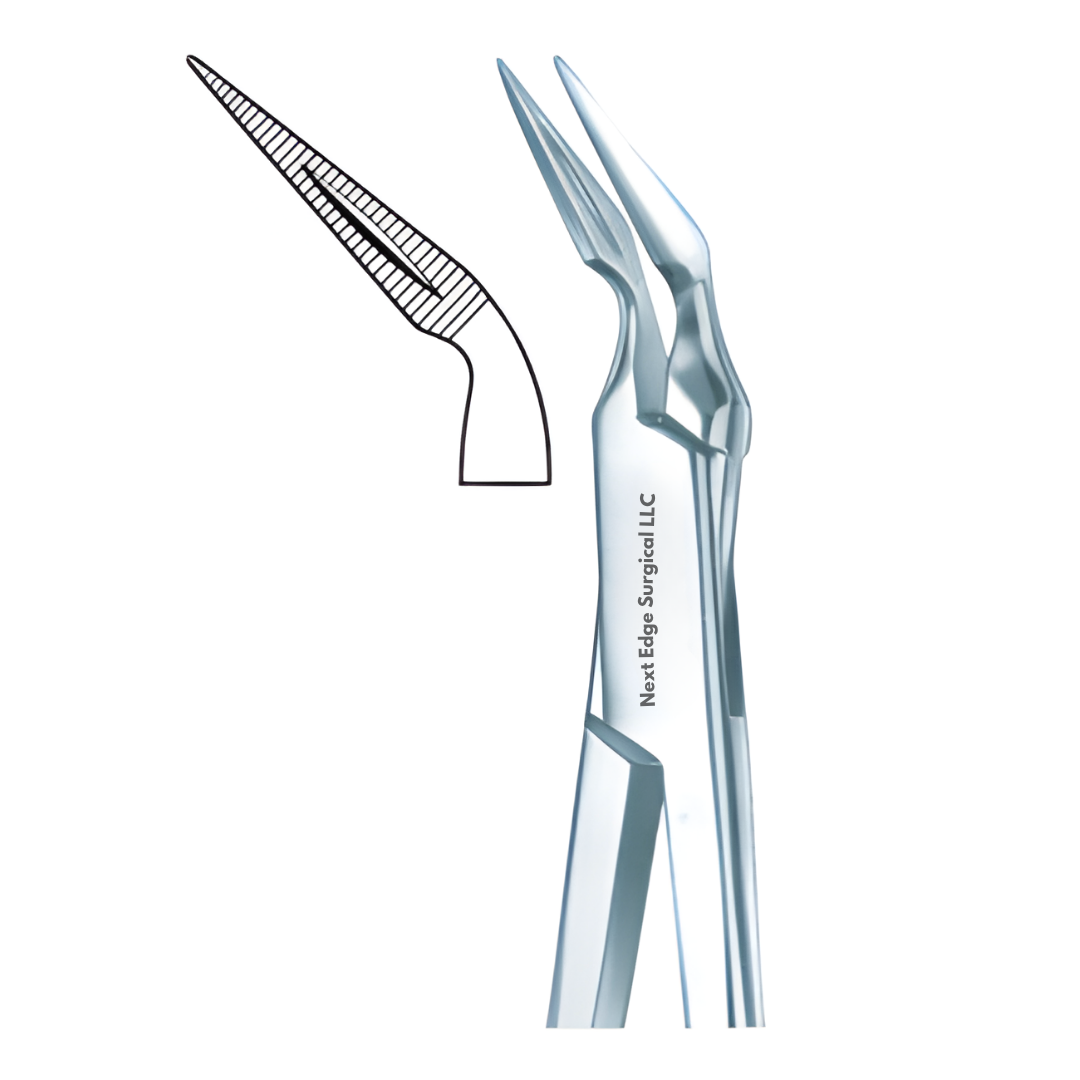
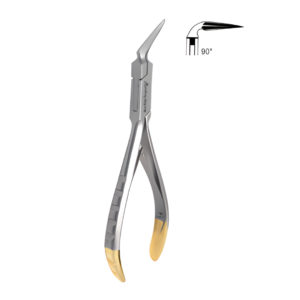
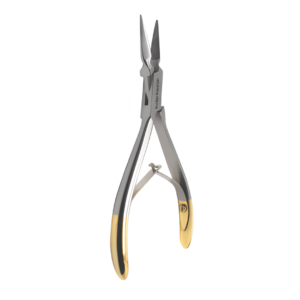
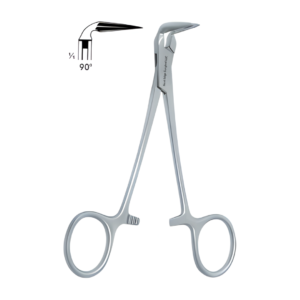
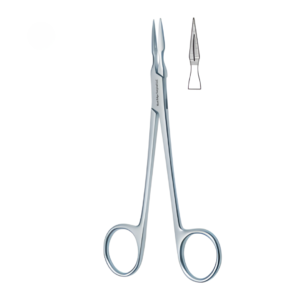
Dental Root Splinter Forceps – Stieglitz Root Fragments – NES-199
The difficulty of retrieving a root remnant often lies in its location, not its size alone. A fragment that appears minor on a radiograph may be challenging to approach if surrounding bone, adjacent teeth, or soft tissues restrict the available working space.
NES-199 is our Stieglitz Root Fragments Forceps, listed within the dental root splinter forceps range. It provides an instrument option for practitioners planning direct retrieval of accessible root material as part of a carefully assessed extraction procedure.
Planning Access Before Engaging a Root Remnant
A root tip can separate at different stages of tooth removal. Some fragments remain visible near the socket opening; others are positioned more deeply and require a different method of exposure.
Stieglitz-type instruments are associated with localized fragment handling. Unlike broader dental extraction forceps, which usually engage more substantial tooth structures, this instrument family is considered when a remaining piece calls for a focused grasping approach. NES-199 should be selected on clinical grounds, not simply because a fragment is present.
Features and Benefits
| Feature | Benefit |
| Stieglitz designation | Places the instrument within a recognized fragment-forceps family. |
| Root-remnant application | Supports retrieval planning for accessible separated tooth structures. |
| Focused grasping purpose | Addresses a different task from routine whole-tooth removal. |
| Extraction workflow relevance | Provides an option after the initial removal stage. |
| Clinical access consideration | Encourages selection based on visibility and available working space. |
| Individual product reference | Identifies this model within the Next Edge Surgical range. |
Instrument Care and Handling
Prepare NES-199 with particular attention to the surfaces that will contact a fragment. Examine the working ends for deposits or distortion, then assess the opening and closing action. An instrument that binds, closes unevenly, or shows damage should not enter the treatment tray.
Following use, handle the forceps through the practice’s established contaminated-instrument pathway. Remove residue through approved cleaning procedures before sterilization. Narrow spaces and moving areas deserve careful attention because debris can remain where surfaces meet.
Transport the instrument so that its contact ends do not collide with heavier tools.
During treatment, avoid repeated attempts to seize a fragment that cannot be seen or approached safely. Consider the relationship to adjacent teeth, bone, and anatomical structures. Changing the retrieval method may be more appropriate than forcing the instrument deeper into the socket.
Product Specifications
| Specification | Details |
| Product | Stieglitz Root Fragments Forceps |
| SKU | NES-199 |
| Brand | Next Edge Surgical LLC |
| Category | Dental Root Splinter Forceps |
| Instrument Family | Stieglitz |
| Clinical Application | Accessible dental root remnant retrieval |
Frequently Asked Questions
What makes a root fragment difficult to retrieve?
Its position, visibility, and relationship to surrounding structures.
Does every separated root need forceps retrieval?
No; the clinician selects a method appropriate to the case.
How does this differ from whole-tooth forceps?
It belongs to a specialized fragment-grasping instrument category.
What should be checked before clinical use?
Working-end condition and smooth, even instrument movement.
Why is protected storage important?
It helps prevent damage to surfaces used for fragment engagement.
Reviews
There are no reviews yet.