

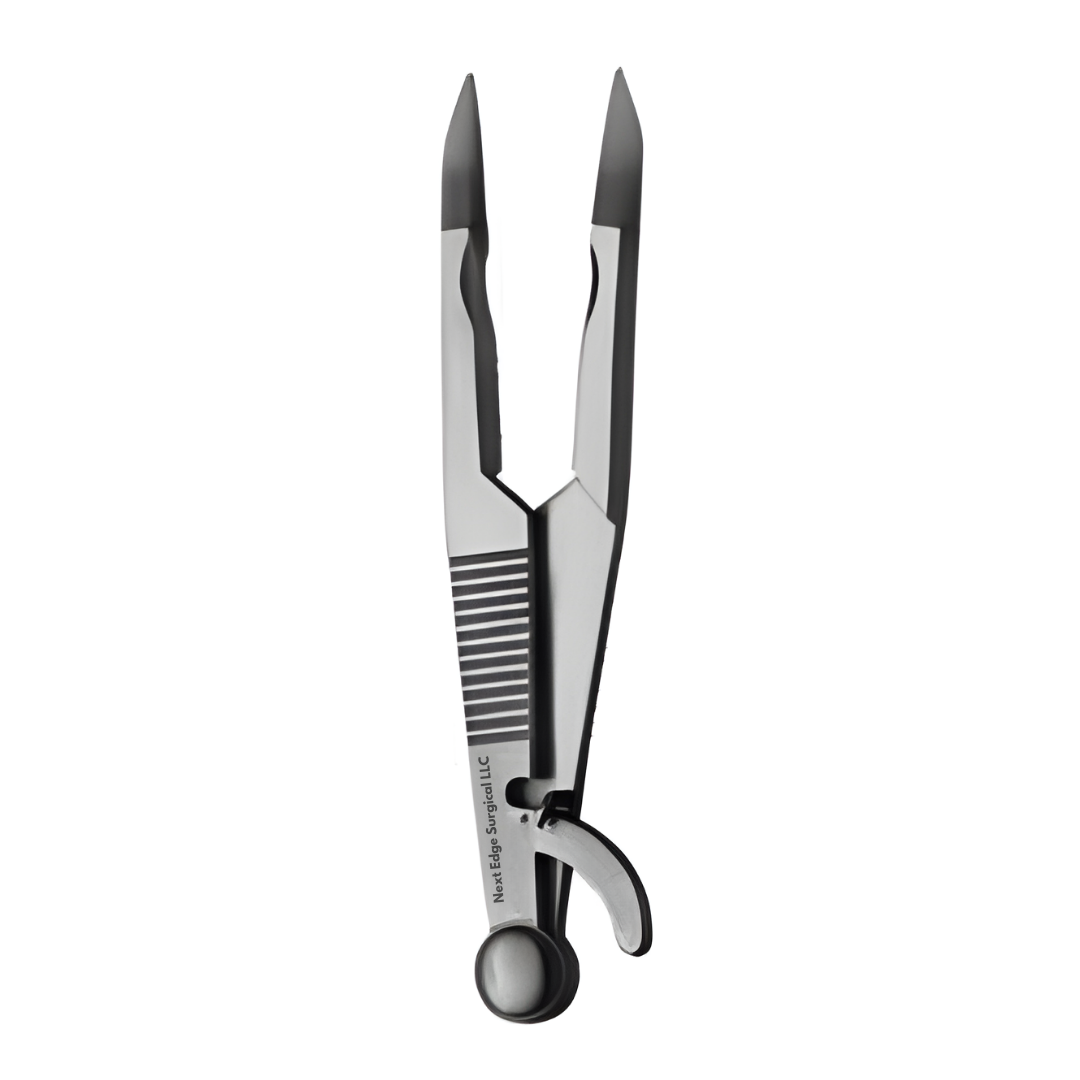
Aesthesiometer
Sensory testing is easy to overlook until a patient’s complaint does not match what a standard exam picks up, and that is exactly where an aesthesiometer earns its place in the exam room. The WEBER pattern is built around the classic two point discrimination test, used to measure how well a patient can distinguish between two separate points of contact on the skin versus a single point. This kind of testing gives clinicians a more precise picture of peripheral nerve function than observation alone, which matters in cases involving suspected nerve compression, post surgical nerve recovery, or general neurological screening. As one of the surgical diagnostic instruments used across neurology and hand surgery practices, this instrument fills a narrow but important gap in the standard exam kit.
Where this instrument tends to prove useful:
Assessing two point discrimination during peripheral nerve function testing
Monitoring sensory recovery following nerve repair or reconstructive hand surgery
Supporting differential diagnosis in patients reporting numbness or altered sensation
Adding an objective measure to routine neurological screening exams
Because sensory findings can be subtle and easy to miss on general exam, having a dedicated tool for two point discrimination testing gives clinicians a repeatable way to track a patient’s sensory status over time. For neurology clinics, hand surgery practices, and rehabilitation centers, this instrument adds a layer of precision that general exam alone cannot offer. Order this instrument for your clinic today.