


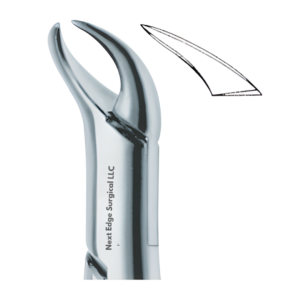


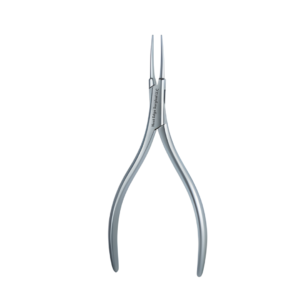
Dental Extraction Forceps – Nevius Upper Molars Left – NES-332
An upper-left molar can be difficult to approach when posterior access is restricted. Its position behind the premolars, the condition of its crown, and the arrangement of its roots all influence the extraction plan.
Our Nevius Upper Molars Left Forceps – NES-332 is designated for maxillary molars on the patient’s left side. This named pattern helps the dental team prepare a quadrant-specific instrument for appropriate tooth-removal procedures.
Planning Around Left Maxillary Molar Anatomy
Upper molars commonly have two buccal roots and one palatal root. Their separation, curvature, and relationship to the maxillary sinus vary between patients. Reviewing clinical findings and appropriate imaging helps the practitioner anticipate resistance and choose a suitable approach.
NES-332 belongs to our dental extraction forceps collection. Its Nevius designation identifies the instrument pattern, while the left-sided description identifies the intended quadrant. Instrument selection also depends on crown integrity, available access, and tooth mobility.
Features and Benefits
| Feature | Benefit |
| Nevius pattern | Identifies a named molar extraction instrument classification. |
| Left-sided designation | Directs selection toward the patient’s upper-left quadrant. |
| Upper molar application | Addresses suitable maxillary posterior extraction procedures. |
| Posterior tooth focus | Relates to instrument access behind upper premolars. |
| Root anatomy context | Supports planning around buccal and palatal root arrangements. |
| Crown engagement role | Complements controlled tooth mobilization and delivery. |
Instrument Care and Handling
Inspect the tooth-contact surfaces before treatment, checking for deposits, visible wear, and damage. Confirm that the instrument opens and closes normally. Arrange NES-332 securely so nearby equipment cannot strike its working ends.
After extraction, remove biological residue and tooth particles promptly. Pay particular attention to accessible joint areas and surfaces that contacted the crown. Complete the established cleaning and sterilization process before preparing the instrument for another patient.
When an upper-left molar has extensive restorations or decay, evaluate the remaining crown before applying pressure. Root divergence and surrounding bone can affect the path of removal. If mobility is insufficient, reassess the extraction technique instead of increasing force without control.
Protect adjacent teeth, cheek tissues, and restorations during placement. Maintain awareness of sinus proximity during procedural planning. Transfer the used instrument securely to processing and store it in a protected extraction tray afterward. Periodic inspection helps identify changes in working condition and supports consistent clinical preparation for future upper-left molar extraction appointments.
Product Specifications
| Specification | Details |
| Product Name | Nevius Upper Molars Left |
| SKU | NES-332 |
| Brand | Next Edge Surgical LLC |
| Product Category | Dental Extracting Forceps |
| Instrument Pattern | Nevius |
| Anatomical Region | Left Maxillary Molars |
| Intended Application | Upper Left Molar Extraction |
Frequently Asked Questions
Which quadrant is NES-332 intended for?
The patient’s upper-left dental quadrant.
What does Nevius identify?
The named pattern of this extraction instrument.
Why review upper molar roots?
Their divergence can influence mobility and removal.
Can crown damage affect engagement?
Yes, weakened structure may fracture under pressure.
How should NES-332 be stored?
Protected after cleaning, sterilization, and inspection.
Reviews
There are no reviews yet.