

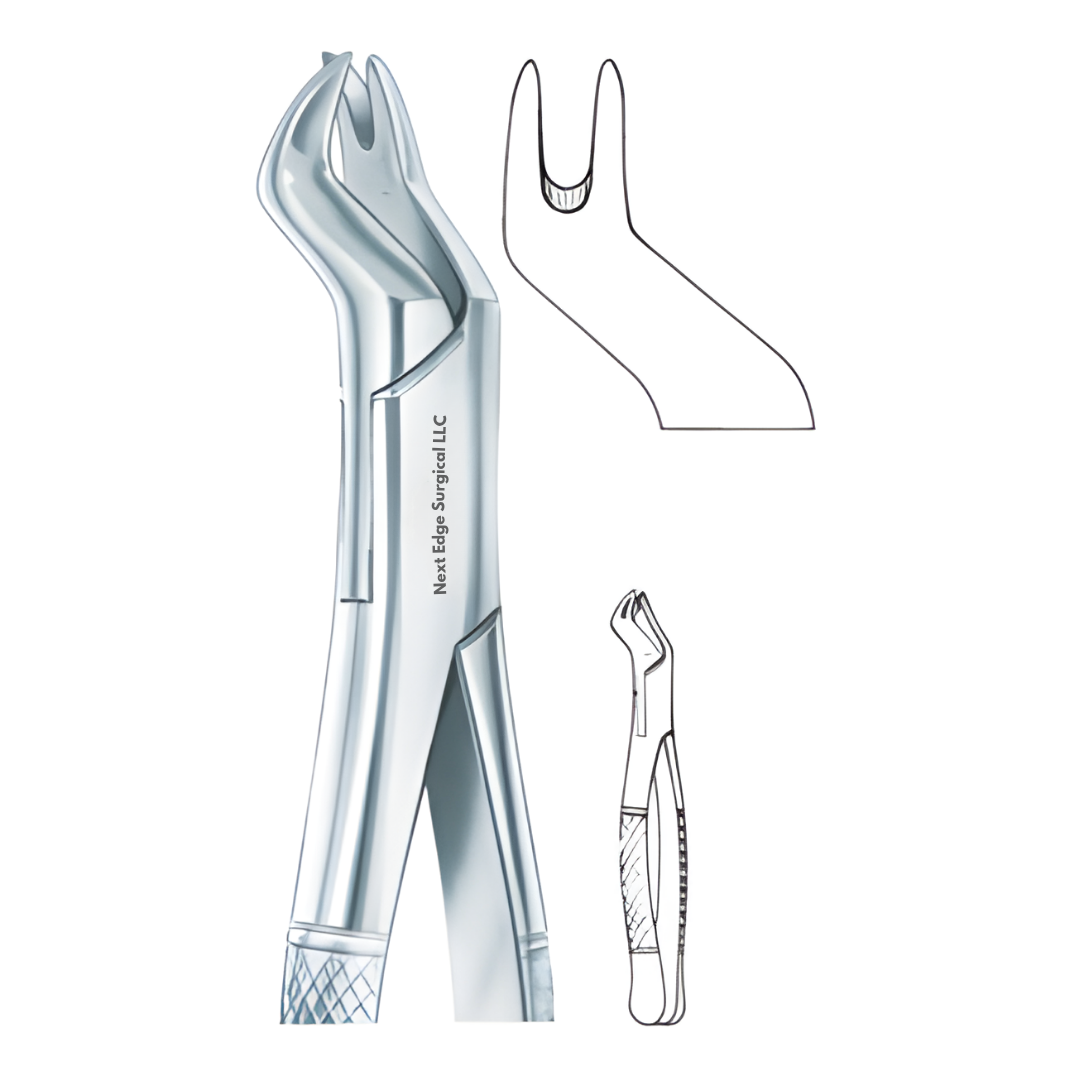
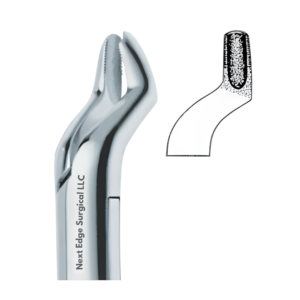
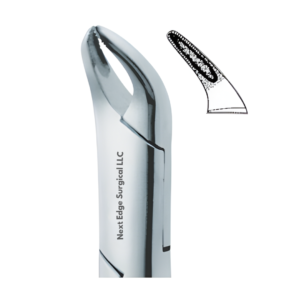
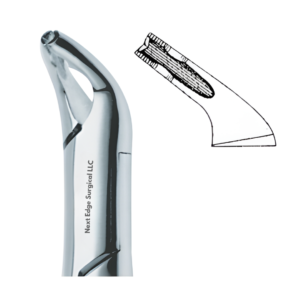
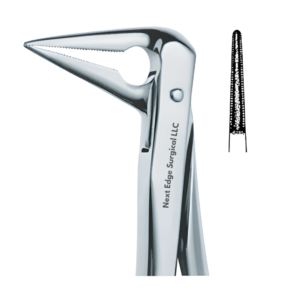
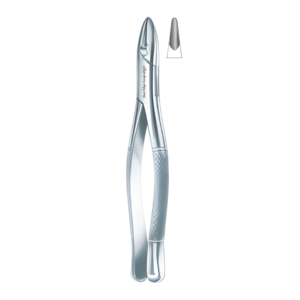
Dental Extraction Forceps – Nevius Upper Molars Right – NES-330
Right upper molars present a distinctive combination of posterior access and complex roots. Their position can make the working field difficult to approach, particularly when neighboring teeth or restorations restrict space.
Our Nevius Upper Molars Right Forceps – NES-330 is designated for maxillary molars on the patient’s right side. The Nevius pattern offers a named instrument choice for clinicians organizing an upper-right extraction procedure.
Right Maxillary Molar Assessment With a Nevius Pattern
Maxillary molars commonly have three roots: two buccal and one palatal. Their divergence and curvature vary, as does their relationship to the maxillary sinus. Radiographic assessment helps establish the likely path of removal and identify anatomical concerns before forceps use.
NES-330 is included in our dental extraction forceps range. Its Nevius classification and right-sided designation identify the intended application. Clinicians consider remaining crown structure, tooth mobility, and posterior access when deciding whether the forceps stage can proceed safely.
Features and Benefits
| Feature | Benefit |
| Nevius pattern | Identifies a recognized named extraction instrument category. |
| Right-sided designation | Directs selection to the patient’s upper-right quadrant. |
| Upper molar application | Addresses suitable maxillary posterior tooth removal. |
| Three-root anatomical context | Fits planning around buccal and palatal root arrangements. |
| Posterior clinical focus | Relates to access behind upper premolars. |
| Crown engagement purpose | Supports grasping when remaining tooth structure is adequate. |
Instrument Care and Handling
Inspect the tooth-contact surfaces during preparation, looking for deposits, wear, or visible damage. Check movement at the joint and place the forceps where other tools will not strike its working ends. Arrange the tray to allow deliberate selection of the right-sided instrument.
After treatment, remove biological residue before it dries. Pay attention to areas that contacted the molar and to accessible joint spaces where debris can collect. Complete the established cleaning and sterilization workflow, then protect the processed instrument from contamination.
For an upper-right molar, assess the crown’s ability to withstand engagement. Large restorations or extensive decay can change the extraction strategy. Root divergence and proximity to the sinus also influence movement. If the tooth does not mobilize as expected, further evaluation is preferable to increasing pressure.
Protect adjacent restorations and cheek tissues while positioning the instrument. Transport NES-330 securely after the procedure and store it in an organized posterior extraction tray. Periodic inspection supports dependable preparation for future right maxillary molar appointments.
Product Specifications
| Specification | Details |
| Product Name | Nevius Upper Molars Right |
| SKU | NES-330 |
| Brand | Next Edge Surgical LLC |
| Product Category | Dental Extracting Forceps |
| Instrument Pattern | Nevius |
| Anatomical Region | Right Maxillary Molars |
| Intended Application | Upper Right Molar Extraction |
Frequently Asked Questions
What does the right designation mean?
It refers to the patient’s upper-right dental quadrant.
Which tooth group is the intended target?
Suitable maxillary molars on the right side.
Why examine root divergence?
It can affect tooth mobility and delivery.
Can restorations change the extraction approach?
Yes, weakened crowns may require an alternative technique.
What should be cleaned after treatment?
Tooth-contact surfaces and accessible joint areas.
Reviews
There are no reviews yet.