


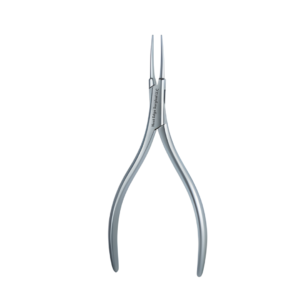

Dental Extraction Forceps – Tomas Lower Canines Premolars and Molars – NES-329
The lower dental arch contains teeth with very different root arrangements. A canine’s long root, a premolar’s compact crown, and a molar’s multiple roots each influence how extraction should be planned.
Our Tomas Lower Canines Premolars and Molars Forceps – NES-329 is designated for these mandibular tooth groups. It gives dental teams a named pattern to consider when selecting instruments for appropriate lower-arch extraction procedures.
Selecting a Tomas Pattern Across the Lower Arch
Mandibular canines usually have one substantial root, while premolars most often have a single root with variable curvature. Lower molars generally have mesial and distal roots. Those differences affect initial mobility, crown engagement, and the direction of tooth delivery.
NES-329 belongs to our dental extraction forceps collection. Its Tomas designation identifies the instrument pattern, and its listed applications cover lower canines, premolars, and molars. Clinical selection should account for the particular tooth rather than treating all three groups as anatomically identical.
Features and Benefits
| Feature | Benefit |
| Tomas pattern | Identifies the named instrument classification for extraction planning. |
| Lower canine application | Relates to procedures involving long-rooted mandibular canines. |
| Lower premolar application | Supports selection for appropriate mandibular premolar extractions. |
| Lower molar application | Includes posterior teeth with commonly divided root systems. |
| Mandibular designation | Keeps the intended clinical focus on the lower arch. |
| Forceps extraction role | Supports tooth engagement after appropriate assessment and mobilization. |
Instrument Care and Handling
Before use, examine the working ends for residue, surface damage, or changes that could affect contact with a tooth. Check the opening and closing action while arranging the extraction tray. Keep the contact areas protected during transport to the operatory.
Following extraction, remove blood and adherent debris promptly. Inspect accessible joint surfaces, especially after procedures involving fractured crowns or roots. Complete the practice’s established cleaning and sterilization process before returning the instrument to service.
When approaching a canine, consider root length and the surrounding bone. For premolars, evaluate curvature and proximity to adjacent teeth. Molar procedures require particular attention to root separation and the condition of the crown. If resistance remains substantial, reassess mobility and the chosen technique instead of applying uncontrolled force.
Place NES-329 securely in a designated tray after processing. Avoid allowing heavier instruments to strike its working ends. Regular inspection helps the clinical team identify wear and maintain orderly preparation for varied mandibular extractions.
Product Specifications
| Specification | Details |
| Product Name | Tomas Lower Canines Premolars and Molars |
| SKU | NES-329 |
| Brand | Next Edge Surgical LLC |
| Product Category | Dental Extracting Forceps |
| Instrument Pattern | Tomas |
| Anatomical Region | Mandibular Canines, Premolars and Molars |
| Intended Application | Lower Tooth Extraction |
Frequently Asked Questions
Which arch is NES-329 designated for?
The mandibular, or lower, dental arch.
Do lower canines and molars have similar roots?
No, their typical root arrangements differ considerably.
What does Tomas describe here?
The named extraction forceps pattern.
Why assess crown condition before engagement?
A weakened crown can fracture during removal.
How should the forceps be maintained?
Through inspection, cleaning, sterilization, and protected storage.
Reviews
There are no reviews yet.