


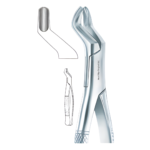
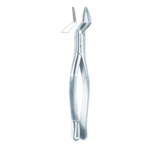
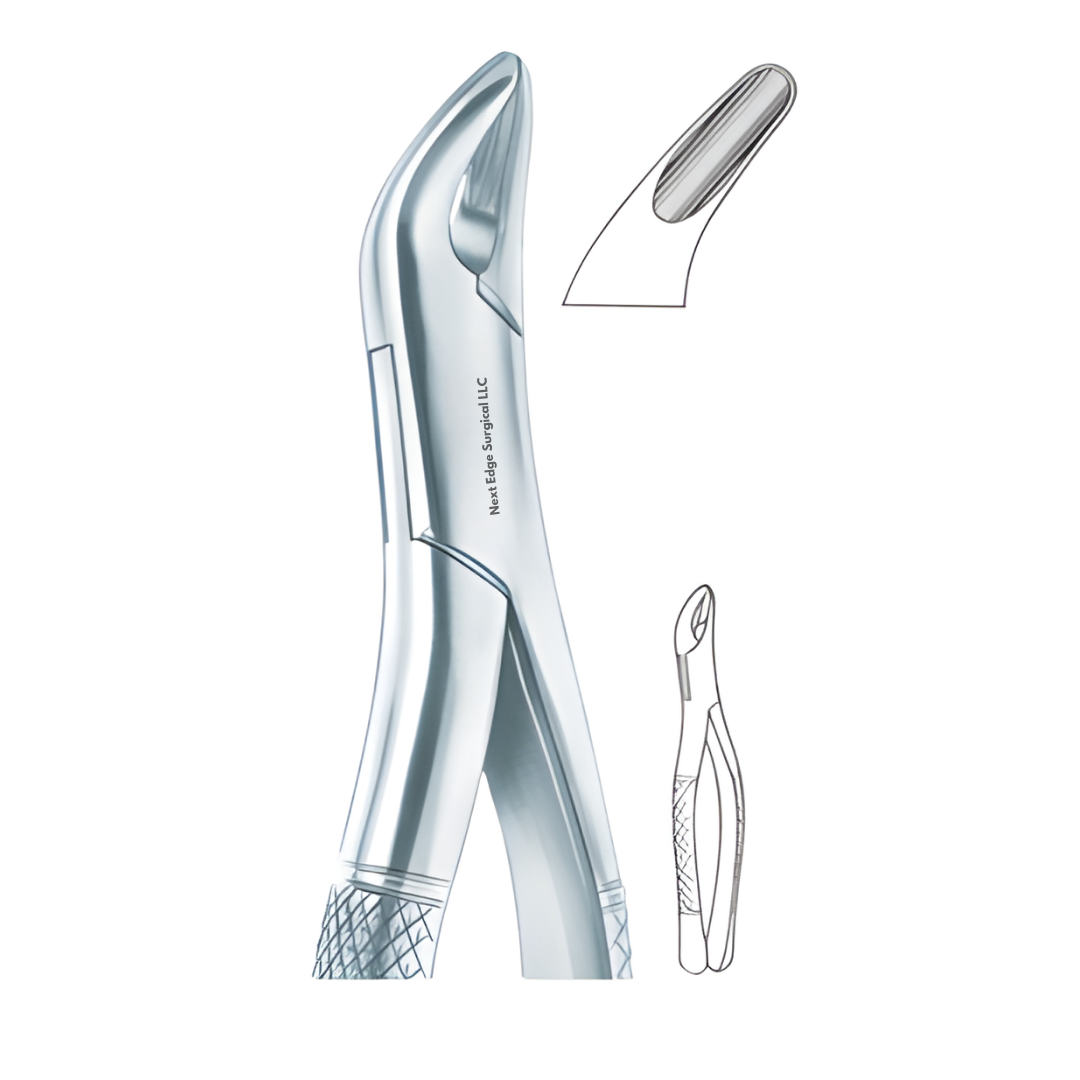
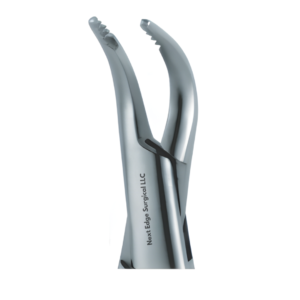
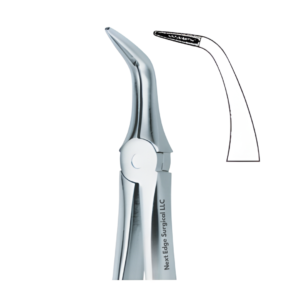
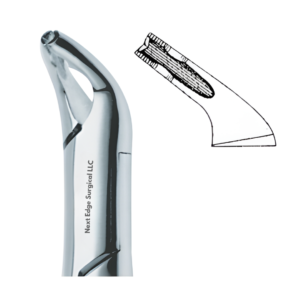
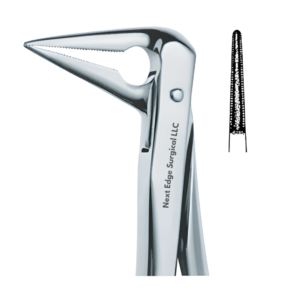
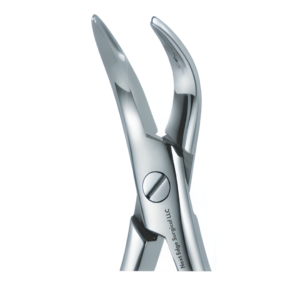
Dental Extraction Forceps – Incisors, Premolars Deciduous Teeth – NES-326
A primary tooth may need removal before it becomes naturally loose, particularly when extensive damage or another clinical concern affects its prognosis. Pediatric extraction planning must account for the developing permanent dentition beneath and around the tooth.
Our Incisors, Premolars Deciduous Teeth Forceps – NES-326 is designated for the tooth groups identified in its name, including deciduous teeth. It provides an extraction instrument option for clinicians evaluating crown condition, tooth mobility, and the stage of dental development.
Selecting Instruments for Developing Dentition
Primary incisors and primary molars differ in crown form and root anatomy. Primary molars occupy positions later replaced by permanent premolars; the primary dentition itself does not contain premolars. This distinction matters when assessing the tooth identified for removal and protecting its developing successor.
NES-326 joins our dental extraction forceps collection. The clinician determines the appropriate application from the tooth present, its root resorption, and its relationship to neighboring teeth. Clinical examination and appropriate imaging support decisions about engagement and removal.
Features and Benefits
| Feature | Benefit |
| Incisor application | Relates to extraction planning for appropriate anterior teeth. |
| Premolar designation | Identifies an additional tooth group within the instrument classification. |
| Deciduous tooth application | Supports selection during appropriate primary tooth procedures. |
| Crown engagement purpose | Provides a grasping option when adequate structure remains. |
| Developmental context | Encourages attention to permanent successors and root resorption. |
| Extraction workflow role | Complements clinical assessment and preliminary mobilization. |
Instrument Care and Handling
Examine the tooth-contact surfaces before placing the instrument on a pediatric treatment tray. Look for visible damage, retained residue, and irregular contact. Check opening and closing movement while preparing the clinical field, rather than during patient positioning.
After use, remove blood, tissue material, and small tooth particles promptly. Clean the gripping surfaces and accessible joint areas thoroughly, then complete the established instrument reprocessing and sterilization workflow. Protect the instrument from contact with heavier equipment during transport.
When treating primary teeth, account for natural root resorption and the location of the permanent successor. Avoid excessive pressure on fragile crowns or adjacent developing structures. If mobility is inadequate, reassess the approach instead of increasing force.
Store NES-326 in a protected extraction tray after processing. Regular inspection supports consistent preparation and helps the team identify wear before the next appointment. Keep the instrument organized with other tooth-specific options so selection remains deliberate.
Product Specifications
| Specification | Details |
| Product Name | Incisors, Premolars Deciduous Teeth |
| SKU | NES-326 |
| Brand | Next Edge Surgical LLC |
| Product Category | Dental Extracting Forceps |
| Instrument Type | Tooth Extraction Forceps |
| Listed Tooth Groups | Incisors, Premolars, Deciduous Teeth |
| Intended Application | Extraction of Suitable Listed Teeth |
Frequently Asked Questions
Does primary dentition contain premolars?
No; primary molars are replaced by permanent premolars.
Why consider root resorption in children?
It changes primary tooth support and extraction planning.
What determines suitable tooth engagement?
Crown condition, accessibility, and existing mobility.
How are permanent successors protected?
Through anatomical assessment and controlled clinical technique.
What should be inspected before treatment?
Gripping surfaces, visible condition, and instrument movement.
Reviews
There are no reviews yet.