


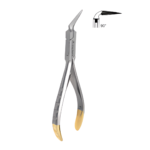
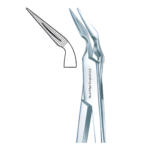
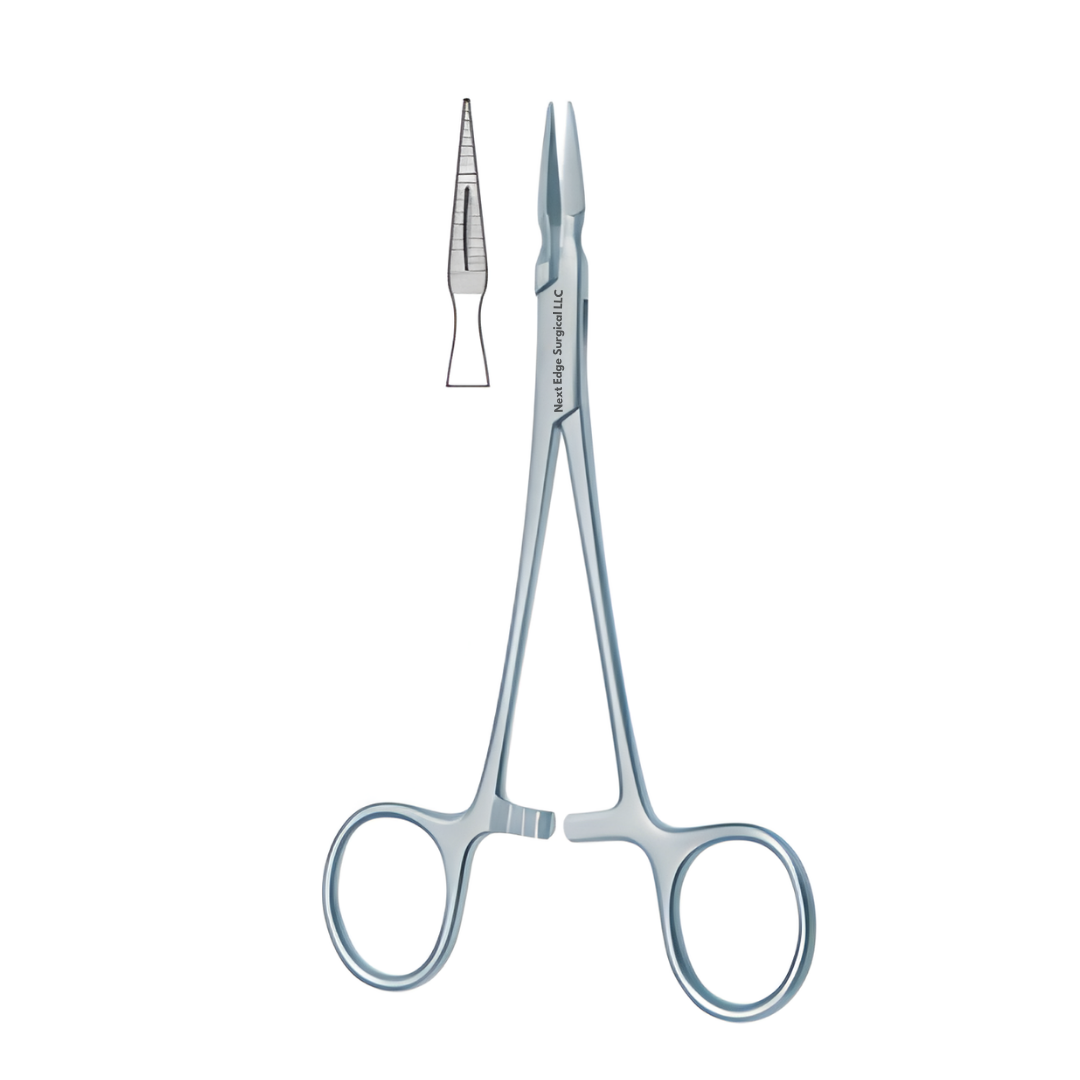
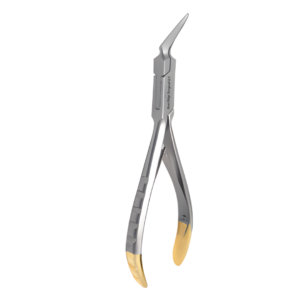
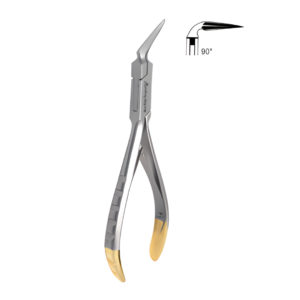
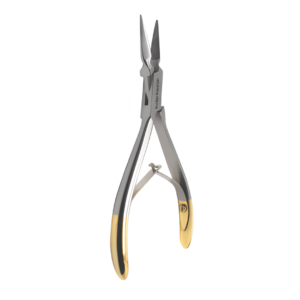
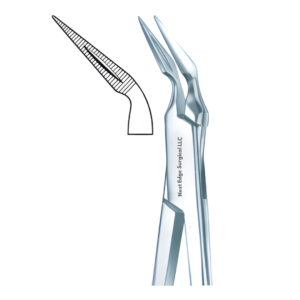
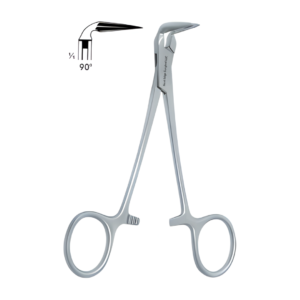
Dental Root Splinter Forceps – Stieglitz Root Fragments – NES-198
Not every extraction ends when the crown leaves the socket. A separated root tip may remain, creating a second, more delicate task: identifying a safe way to engage and remove the fragment without losing visibility of the surgical field.
Our NES-198 Stieglitz Root Fragments Forceps belongs to the instrument family developed for these focused retrieval situations. It is intended for dental professionals managing accessible retained root pieces during extraction and related oral surgery procedures.
The Stieglitz Approach to Root Fragment Retrieval
Stieglitz forceps are recognized in dental instrument catalogs as tools for handling small root remnants. The category emphasizes localized engagement rather than gripping a complete tooth crown.
A retained tip should be evaluated in relation to adjacent roots, socket walls, and nearby anatomy. When adequate access exists, a fragment forceps can form part of the retrieval sequence. Conventional dental extraction forceps have a different primary role, particularly when larger portions of a tooth remain available for engagement.
Features and Benefits
| Feature | Benefit |
| Stieglitz pattern family | Identifies a specialized category familiar in dental surgery. |
| Root fragment focus | Addresses retained pieces following crown or root separation. |
| Localized retrieval role | Supports treatment planning around small accessible remnants. |
| Extraction-site application | Fits procedures where a remaining root piece requires attention. |
| Complementary instrument category | Works within workflows that may also involve elevators and root picks. |
| Professional dental use | Designed as a clinical instrument selection for qualified operators. |
Instrument Care and Handling
Working-end condition is especially important when the target is small. Inspect the contact surfaces before use and check that the instrument closes evenly. Visible deformation, looseness, or an abnormal operating feel should prompt removal from the prepared set.
At the end of a procedure, begin the facility’s approved point-of-use treatment promptly. Residue left around fine gripping areas can become difficult to remove after drying. Clean accessible surfaces and moving parts using the applicable instrument-processing method, followed by the validated sterilization process.
Keep NES-198 separated from instruments that could strike or compress its working ends. During transport, use an arrangement that limits movement and protects contact surfaces.
Fragment retrieval is not a substitute for sound surgical judgment. When visibility is poor or the fragment lies near sensitive structures, reassess access and technique rather than increasing force.
Product Specifications
| Specification | Details |
| Product | Stieglitz Root Fragments Forceps |
| SKU | NES-198 |
| Brand | Next Edge Surgical LLC |
| Category | Dental Root Splinter Forceps |
| Instrument Family | Stieglitz |
| Intended Application | Accessible retained root fragments |
Frequently Asked Questions
What is the Stieglitz pattern associated with?
Retrieving small dental root remnants during extraction procedures.
Is a root pick the same instrument?
No; a root pick and grasping forceps have different functions.
Can a fragment be grasped without visibility?
Blind retrieval is inappropriate; the operator needs adequate access.
Why protect the contact surfaces?
Their condition matters when engaging a small tooth fragment.
Who uses this instrument?
Qualified dental clinicians performing appropriate root-fragment procedures.
Reviews
There are no reviews yet.