


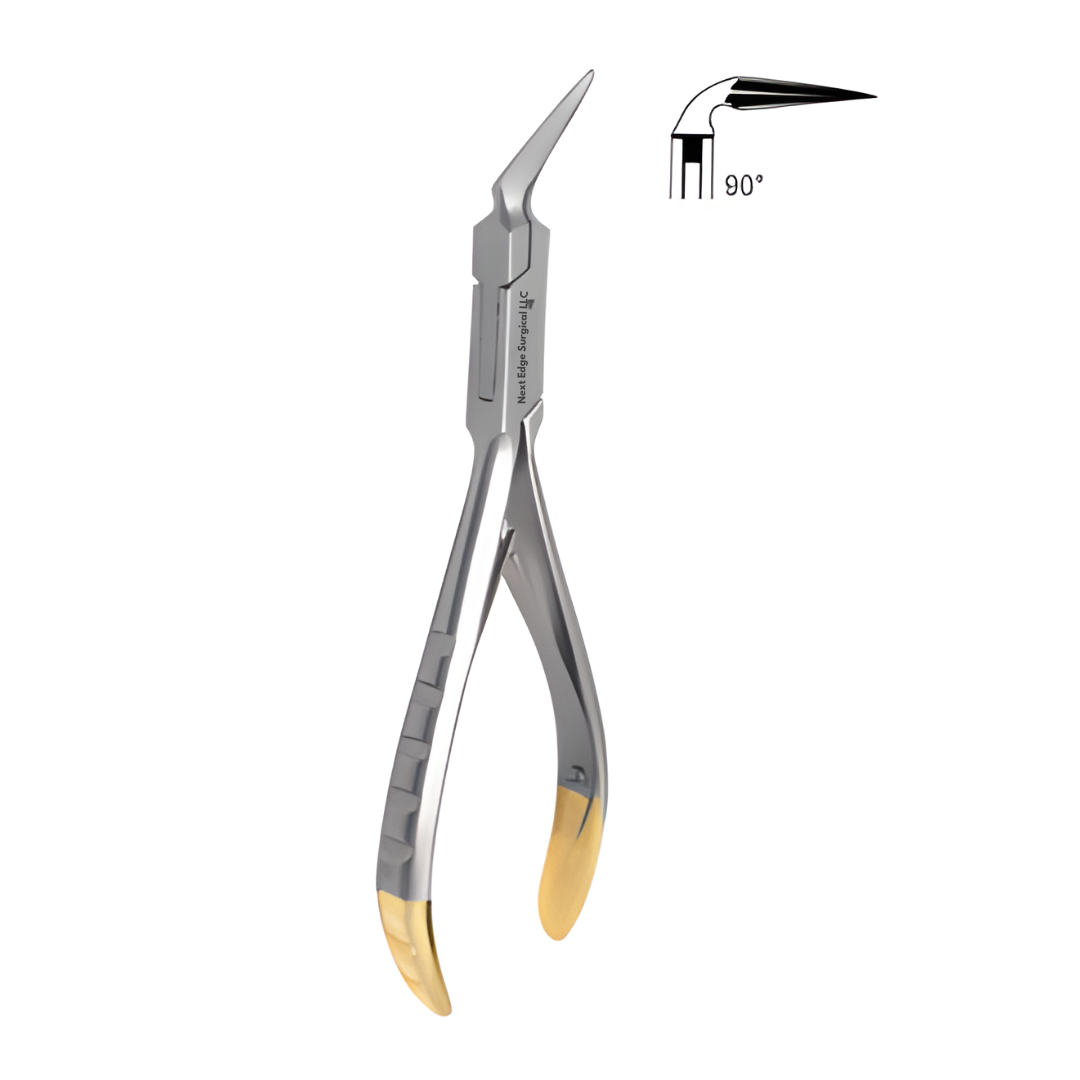
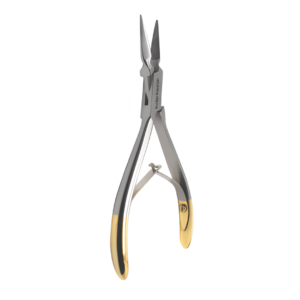
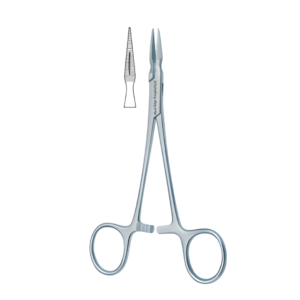
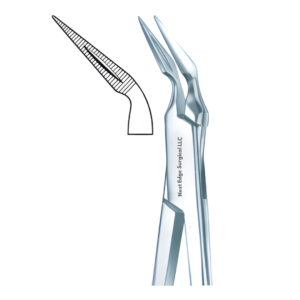
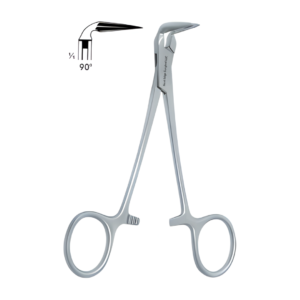
Dental Root Splinter Forceps – Splinter Forceps – NES-197
A broken root does not always leave a convenient surface for the dentist to grasp. When a small piece remains visible inside the extraction socket, choosing an instrument intended for fragment retrieval becomes an important part of the procedure.
NES-197 is our dental root splinter forceps for handling accessible tooth fragments. Rather than treating a remnant like an intact crown, clinicians can consider a dedicated grasping instrument after assessing the fragment’s position and the surrounding tissues.
When a Root Breaks During Extraction
Root fragments may result from extensive decay, brittle tooth structure, or separation during removal. Their edges can be irregular, and the remaining portion may sit close to bone or soft tissue.
Splinter forceps serve a different purpose from broad-beaked dental extraction forceps. They belong in the fragment-management stage of treatment, alongside instruments used to loosen, expose, or inspect remaining root material. The operator determines whether the piece can be grasped directly or needs another approach.
Features and Benefits
| Feature | Benefit |
| Root splinter application | Addresses accessible pieces of fractured dental roots. |
| Fragment retrieval purpose | Supports a focused task after tooth separation. |
| Dental surgical classification | Fits extraction and minor oral surgery instrument selections. |
| Direct grasping role | Offers an alternative to continued manipulation with a larger tooth forceps. |
| Single-instrument listing | Allows clinics to select this category for an existing tray. |
| Professional clinical use | Intended for trained practitioners assessing individual extraction sites. |
Instrument Care and Handling
A fragment forceps must be examined where it contacts the tooth. Check the gripping ends under good lighting for trapped debris, bent edges, or surface damage. Inspect its movement before arranging the extraction tray; resistance or irregular closure warrants removing the instrument from use.
After treatment, prevent blood and tissue residue from drying on the working surfaces. Follow the established point-of-use cleaning process, paying attention to recesses and any joint present. Complete cleaning and sterilization according to the applicable validated instrument-processing procedure.
Avoid placing delicate working ends beneath heavy elevators or retractors during transport. Organize instruments so the tips remain protected and staff can retrieve them without unnecessary contact.
During use, grasp only material that has been adequately visualized. Excessive pressure on a small fragment can worsen breakage; deeper remnants may need a different technique. Careful case assessment remains central to fragment removal.
Product Specifications
| Specification | Details |
| Product | Dental Root Splinter Forceps – Splinter Forceps |
| SKU | NES-197 |
| Brand | Next Edge Surgical LLC |
| Category | Dental Root Splinter Forceps |
| Application | Accessible dental root fragment retrieval |
| Intended Users | Dental and oral surgery professionals |
Frequently Asked Questions
When are splinter forceps useful?
When a visible root fragment needs direct, controlled grasping.
Do they replace root elevators?
No; elevators and forceps perform different tasks during extraction.
Can they remove every retained root?
No; suitability depends on access and the fragment’s position.
Why inspect the working ends?
Damage or debris can interfere with secure fragment engagement.
Where do they belong in a dental setup?
In the extraction tray alongside appropriate root-management instruments.
Reviews
There are no reviews yet.