


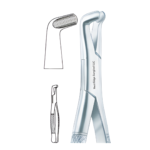
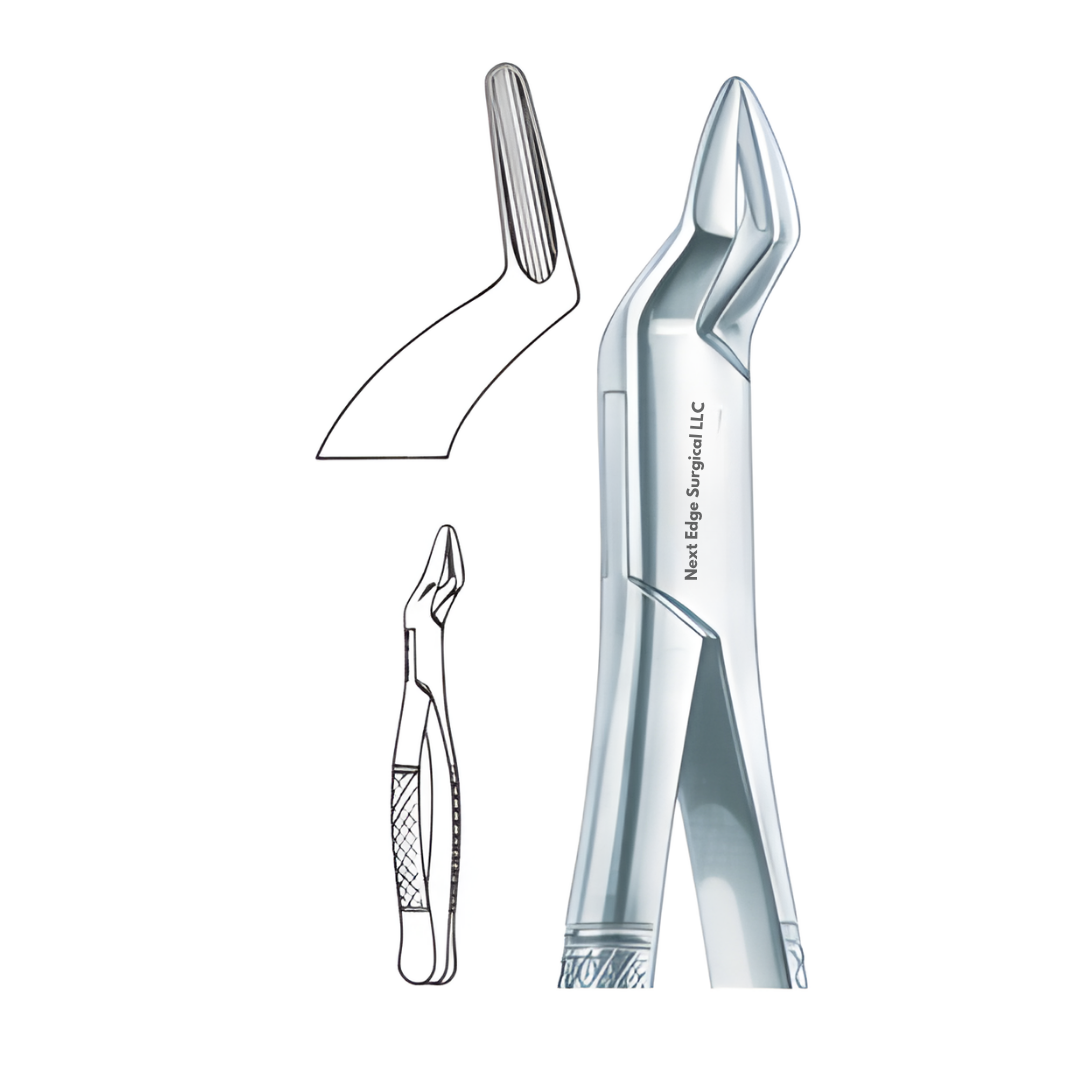
Dental Extraction Forceps – Upper Incisors and Roots – NES-353
Upper incisor extraction requires careful instrument placement, particularly when a tooth has extensive decay or a fractured crown. The position of the remaining root, surrounding bone, and neighboring teeth can influence how removal is approached.
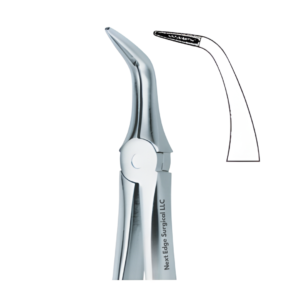
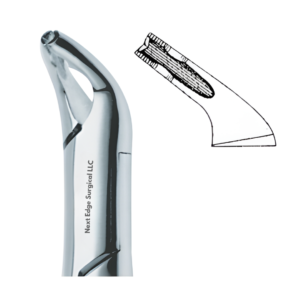
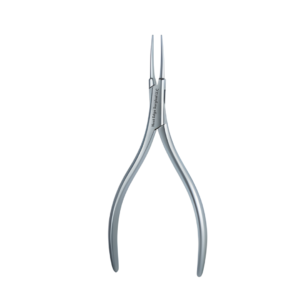
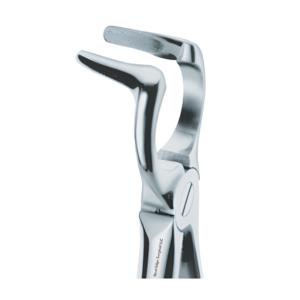
Our Upper Incisors and Roots Forceps – NES-353 is designated for suitable maxillary incisor and root extraction procedures. It offers dental professionals a focused instrument option for anterior upper-arch treatment.
Supporting Maxillary Incisor and Root Removal
Upper central and lateral incisors generally have single roots, although their dimensions and curvature differ. A fractured crown may leave limited structure available for engagement, making assessment of the remaining root especially important.
NES-353 belongs to our dental extraction forceps collection. Its designation covers upper incisors and roots, allowing clinicians to consider it for appropriate intact-tooth and retained-root procedures. Instrument selection should follow clinical examination and evaluation of accessibility.
Features and Benefits
| Feature | Benefit |
| Upper incisor application | Supports suitable maxillary anterior extraction procedures. |
| Root extraction designation | Addresses accessible remaining upper incisor roots. |
| Anterior anatomical focus | Relates to treatment involving upper front teeth. |
| Combined tooth and root scope | Supports preparation for different clinical presentations. |
| Tooth engagement function | Complements controlled mobilization and removal. |
| Dedicated SKU identification | Simplifies instrument selection and inventory organization. |
Instrument Care and Handling
Before treatment, inspect NES-353 for visible deposits, surface damage, and irregularities around its working areas. Confirm normal opening and closing movement. Keep the instrument protected during tray preparation.
After use, remove biological residue and tooth particles promptly. Clean accessible joint areas and surfaces that contacted the tooth. Follow the manufacturer’s validated reprocessing instructions and applicable clinical sterilization protocols.
During upper incisor extraction, consider the relatively thin facial bone and the proximity of neighboring teeth. Assess crown integrity before engagement, particularly when restorations or decay have weakened the remaining structure.
If the crown fractures, determine the root’s position and accessibility before attempting further removal. Appropriate imaging may be necessary when root anatomy or surrounding structures are uncertain.
Avoid uncontrolled pressure against adjacent teeth or alveolar bone. When resistance persists, reassess mobility and the extraction approach rather than increasing force unnecessarily.
Transfer the used forceps safely for reprocessing. After inspection and sterilization, store NES-353 in a protected instrument tray. Routine maintenance and careful handling support consistent preparation for subsequent clinical procedures.
Product Specifications
| Specification | Details |
| Product Name | Upper Incisors and Roots |
| SKU | NES-353 |
| Brand | Next Edge Surgical LLC |
| Product Category | Dental Extracting Forceps |
| Instrument Type | Upper Incisor and Root Extraction Forceps |
| Anatomical Region | Maxillary Incisors and Roots |
| Intended Application | Upper Incisor and Root Extraction |
Frequently Asked Questions
Which teeth are included in NES-353’s designation?
Upper incisors and suitable remaining roots.
Can NES-353 be considered for fractured teeth?
Yes, when the remaining structure permits appropriate engagement.
Why does root curvature matter?
It can influence mobility and extraction technique.
Is this instrument intended for lower incisors?
Its stated application is for upper incisors.
How should NES-353 be maintained?
Clean, inspect, sterilize, and store it appropriately.
Reviews
There are no reviews yet.