


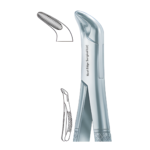
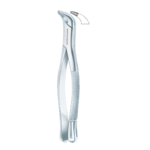
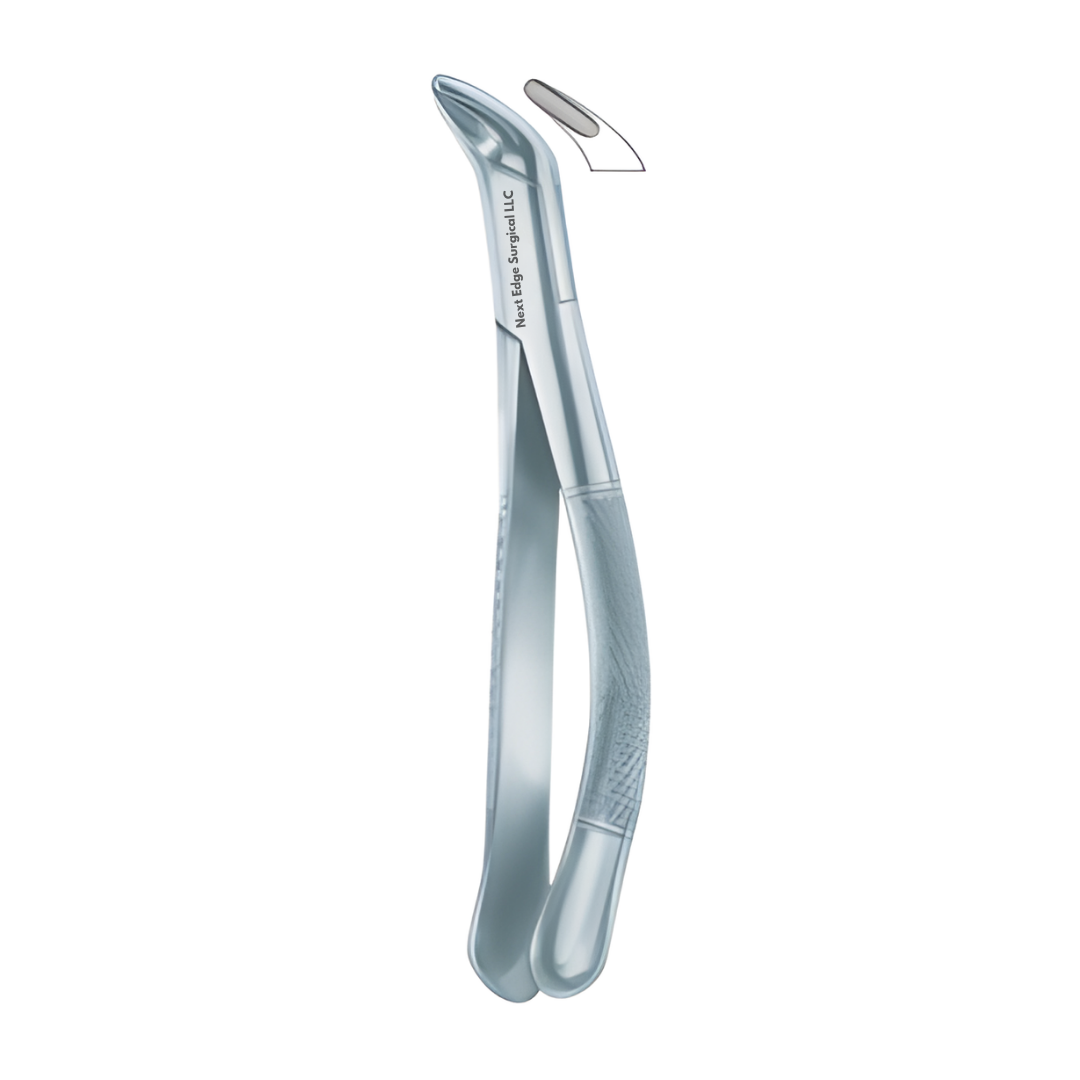
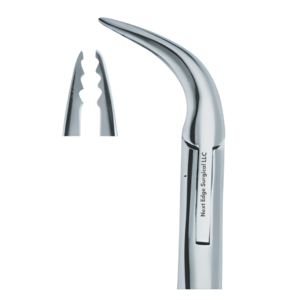
Dental Extraction Forceps – Cryer Lower teeth for Children – NES-345
Children’s lower teeth undergo continuous changes as primary roots resorb and permanent teeth develop. Extraction planning must account for these changes while protecting the surrounding soft tissues and developing dentition.
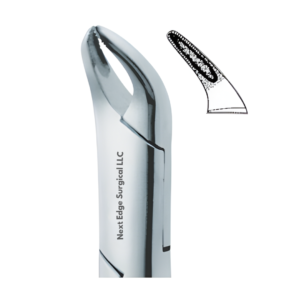
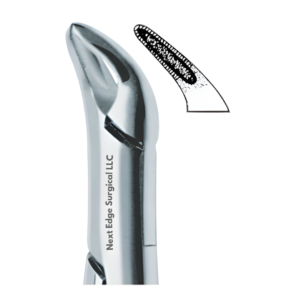
Our Cryer Lower Teeth for Children Forceps – NES-345 is designated for suitable pediatric mandibular tooth extractions. Its Cryer pattern and child-specific application make it a relevant instrument for dental professionals preparing lower-arch procedures involving younger patients.
Supporting Extraction in Developing Mandibular Dentition
Primary lower incisors, canines, and molars differ in root form and position. As permanent successors develop, primary roots gradually resorb, changing tooth support and mobility. Primary molars may also have widely separated roots surrounding developing premolars.
NES-345 belongs to our dental extraction forceps range. Its pediatric designation identifies the intended patient group and mandibular region. Appropriate selection depends on the child’s developmental stage, tooth condition, and clinical examination.
Features and Benefits
| Feature | Benefit |
| Cryer pattern | Identifies a named extraction forceps classification. |
| Pediatric designation | Relates to suitable dental procedures involving children. |
| Lower tooth application | Focuses selection on mandibular extraction procedures. |
| Primary dentition relevance | Supports planning around developing dental anatomy. |
| Tooth engagement role | Complements controlled mobilization and removal. |
| Pediatric tray preparation | Provides a designated option for children’s extraction instruments. |
Instrument Care and Handling
Inspect NES-345 before treatment for visible residue, wear, or damage around its working surfaces. Check normal opening and closing movement. Arrange the instrument securely within the clinical tray, protecting its working ends from accidental impacts.
After extraction, remove biological material and tooth particles promptly. Examine accessible joint spaces and tooth-contact surfaces for retained debris. Complete the established cleaning and sterilization workflow before returning the forceps to clinical service.
Primary tooth removal requires particular attention to physiological root resorption. The position of developing permanent teeth may influence the extraction approach, especially when primary molar roots remain widely separated.
Evaluate tooth mobility and surrounding tissues before engagement. When root anatomy is uncertain, appropriate imaging may help establish the relationship between the primary tooth and its permanent successor.
Protect the child’s lips, cheeks, gingiva, and adjacent teeth throughout treatment. Maintain clear communication and controlled instrument movement within the available working space.
If unexpected resistance occurs, reassess the technique rather than applying excessive force. Transfer the used instrument securely for processing, then store it in a protected pediatric extraction tray. Routine inspection supports consistent preparation for subsequent appointments.
Product Specifications
| Specification | Details |
| Product Name | Cryer Lower Teeth for Children |
| SKU | NES-345 |
| Brand | Next Edge Surgical LLC |
| Product Category | Dental Extracting Forceps |
| Instrument Pattern | Cryer |
| Anatomical Region | Mandibular Teeth in Children |
| Intended Application | Pediatric Lower Tooth Extraction |
Frequently Asked Questions
What is NES-345 intended for?
Suitable lower tooth extractions involving children.
What does the Cryer designation mean?
It identifies the named extraction instrument pattern.
Why is primary root resorption important?
It changes tooth support and the remaining root structure.
Should permanent tooth development be considered?
Yes, developing successors can influence extraction planning.
How should NES-345 be maintained?
Through cleaning, sterilization, inspection, and protected storage.
Reviews
There are no reviews yet.