


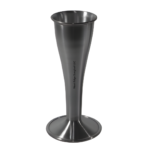



Pinard Wooden Stethoscope – Surgical Diagnostic Instrument – 01-120-18
Fetal heart auscultation remains a useful part of maternity assessment, particularly in settings where clinicians use traditional acoustic examination techniques. A Pinard stethoscope allows trained maternity professionals to listen directly for fetal heart sounds through the maternal abdomen.
Our Pinard Wooden Stethoscope – 01-120-18 is an 18 cm obstetric listening instrument. Its traditional wooden construction provides a straightforward, non-electronic option for fetal heart auscultation during appropriate antenatal assessments.
Traditional Wooden Design for Fetal Heart Auscultation
The Pinard stethoscope uses a hollow acoustic structure to transmit sounds from the maternal abdomen to the examiner’s ear. Its broad contact end is positioned against the abdomen while the clinician listens through the opposite end.
This surgical diagnostic instrument supports obstetric examination when fetal heart sounds can be detected through direct auscultation. Successful listening depends on gestational age, fetal position, maternal anatomy, surrounding noise, and examination technique.
Features and Benefits
| Feature | Benefit |
| Pinard obstetric pattern | Supports traditional fetal heart auscultation. |
| Wooden construction | Provides a conventional acoustic listening instrument. |
| 18 cm length | Identifies the stated instrument size. |
| Non-electronic operation | Requires no batteries or electrical supply. |
| Direct acoustic listening | Transmits fetal heart sounds through its hollow structure. |
| Obstetric application | Supports appropriate antenatal examination workflows. |
Instrument Care and Handling
Before use, examine the wooden surface for cracks, splinters, rough areas, or visible contamination. Inspect the abdominal contact end and listening opening to ensure both remain clean.
Position the patient comfortably for the examination. Explain the procedure and identify the most appropriate listening area using obstetric assessment findings.
Place the wider end against the maternal abdomen and position the opposite end against the examiner’s ear. Maintain steady contact while avoiding unnecessary pressure.
Fetal position influences where heart sounds are best heard. Clinicians commonly use abdominal palpation findings to guide placement and distinguish fetal sounds from maternal pulse activity.
Count the fetal heart rate according to the applicable clinical assessment protocol. Interpret findings within the broader maternity evaluation rather than treating auscultation as a complete assessment.
After patient contact, clean the instrument using methods compatible with its wooden construction. Avoid prolonged soaking, excessive moisture, and harsh cleaning products that could affect the material.
Allow the surface to dry thoroughly before storage. Protect the stethoscope from impact, extreme temperatures, and prolonged exposure to damp environments.
Store it in a clean examination area where the contact surfaces remain protected. Regular inspection helps identify surface deterioration before subsequent maternity assessments.
Product Specifications
| Specification | Details |
| Product Name | Pinard Wooden Stethoscope |
| SKU | 01-120-18 |
| Brand | Next Edge Surgical LLC |
| Product Category | Diagnostic Instruments |
| Instrument Pattern | Pinard |
| Material | Wood |
| Length | 18 cm |
| Intended Application | Fetal Heart Auscultation |
Frequently Asked Questions
What is a Pinard wooden stethoscope used for?
Listening to fetal heart sounds during appropriate obstetric examinations.
What is the instrument’s length?
18 cm.
Does it require batteries?
No, it operates through direct acoustic transmission.
Where is the instrument positioned?
Against the maternal abdomen at an appropriate listening location.
How should the wooden surface be maintained?
Clean gently, dry thoroughly, and protect from moisture.
Reviews
There are no reviews yet.