

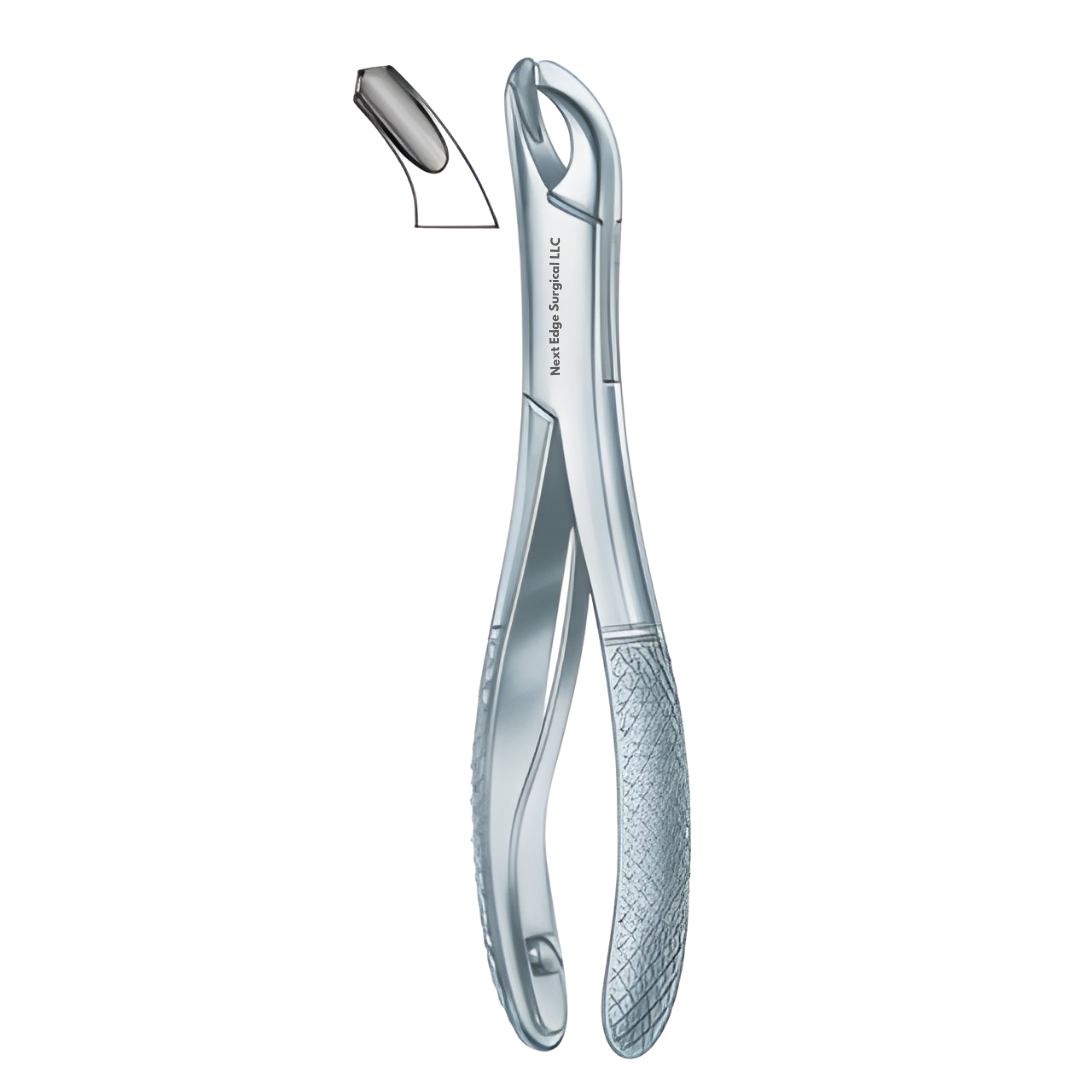
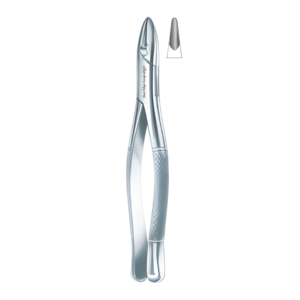
Dental Extraction Forceps – Lower Molars – NES-366
Mandibular molars can be difficult to extract because of their broad crowns, multiple roots, and surrounding bone structure. Successful removal requires careful assessment of tooth mobility, root anatomy, and the condition of the remaining crown.
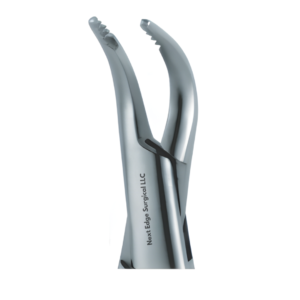
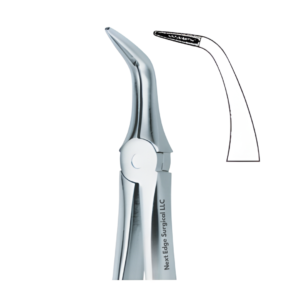
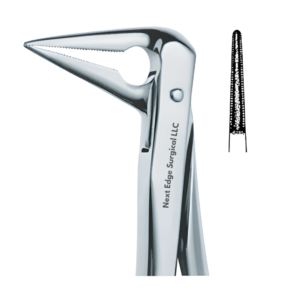
Our Lower Molars Forceps – NES-366 is designated for suitable mandibular molar extraction procedures. It provides dental professionals with an instrument option for preparing lower posterior extraction trays and managing appropriate molar removal cases.
Understanding Lower Molar Extraction Requirements
Lower first and second molars commonly have mesial and distal roots. These roots may be curved, divergent, or occasionally fused, influencing the resistance encountered during extraction. Extensive restorations and decay can further complicate crown engagement.
NES-366 belongs to our dental extraction forceps collection. Its lower-molar designation identifies the intended anatomical region. Although other instruments share this tooth-group classification, clinicians should evaluate the actual working configuration before selecting the appropriate forceps.
Features and Benefits
| Feature | Benefit |
| Lower molar designation | Supports suitable mandibular molar extraction procedures. |
| Posterior mandibular application | Focuses selection on lower back teeth. |
| Tooth engagement function | Complements controlled mobilization and tooth delivery. |
| Molar-specific classification | Helps distinguish posterior instruments from anterior forceps. |
| Root anatomy relevance | Supports planning around variable mandibular molar roots. |
| Individual SKU identification | Simplifies instrument organization and inventory tracking. |
Instrument Care and Handling
Before treatment, inspect NES-366 for visible deposits, damage, and irregularities around its working surfaces. Confirm normal opening and closing movement. Keep the instrument protected from accidental impacts during clinical preparation.
After extraction, promptly remove blood, tissue residue, and tooth particles. Examine accessible joint areas and gripping surfaces for retained debris. Complete cleaning and sterilization according to validated reprocessing instructions before subsequent patient use.
During lower molar extraction, assess crown integrity and root separation. A heavily restored tooth may have limited structure available for secure engagement, increasing the importance of careful instrument positioning.
Consider surrounding bone, root curvature, and nearby anatomical structures when planning removal. Appropriate clinical examination and imaging may help identify factors that could complicate the procedure.
Protect neighboring teeth, gingiva, and cheek tissues throughout instrument placement. Maintain clear visibility and controlled movements during tooth mobilization.
If resistance remains significant, reassess the extraction technique rather than applying excessive force. Additional instruments or surgical approaches may be necessary for difficult cases.
Transfer the used forceps securely for reprocessing. Following cleaning, sterilization, and inspection, store NES-366 in a protected posterior extraction tray. Routine maintenance helps identify changes in instrument condition and supports organized preparation for future procedures.
Product Specifications
| Specification | Details |
| Product Name | Lower Molars |
| SKU | NES-366 |
| Brand | Next Edge Surgical LLC |
| Product Category | Dental Extracting Forceps |
| Instrument Type | Lower Molar Extraction Forceps |
| Anatomical Region | Mandibular Molars |
| Intended Application | Lower Molar Extraction |
Frequently Asked Questions
Which teeth are targeted by NES-366?
Suitable mandibular molars.
How many roots do lower molars commonly have?
Lower first and second molars generally have two principal roots.
Why is root divergence important?
It can influence tooth mobility and extraction resistance.
Can damaged crowns complicate extraction?
Yes, weakened crowns may fracture during engagement.
How should NES-366 be maintained?
Clean, sterilize, inspect, and store it securely.
Reviews
There are no reviews yet.