


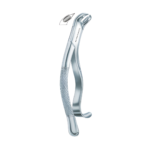
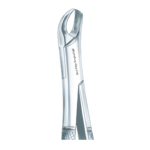
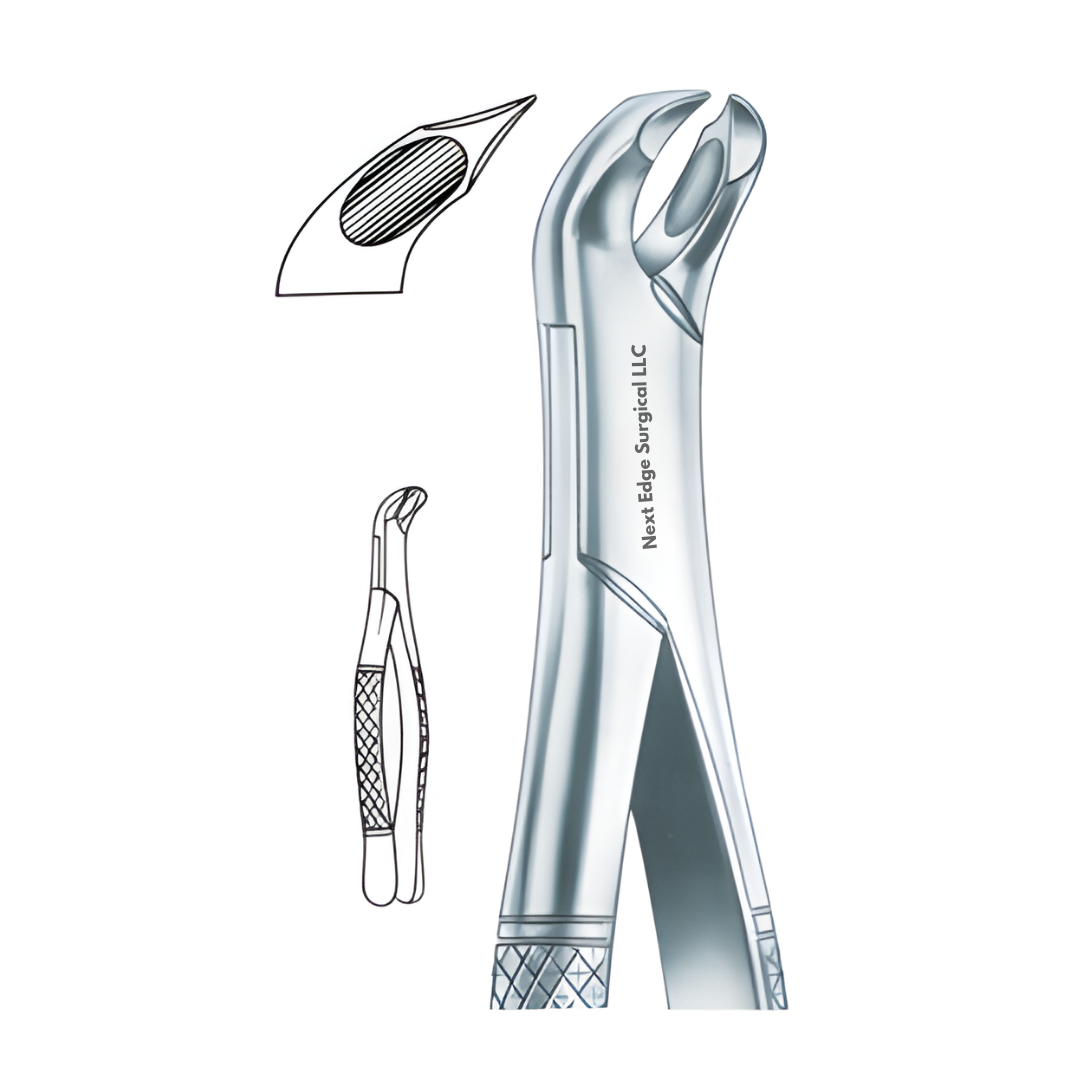
Dental Extraction Forceps – Woodward Lower Molars – NES-362
Mandibular molar extraction involves more than engaging the visible crown. Root shape, surrounding bone, and the condition of adjacent teeth can determine how easily a molar responds to controlled mobilization.
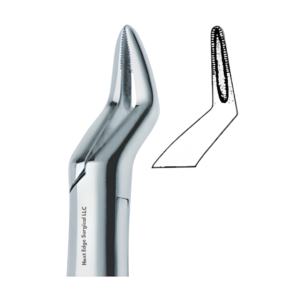
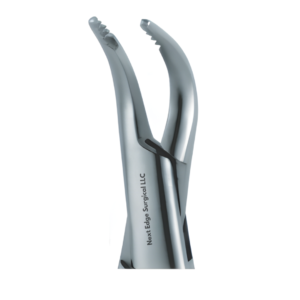
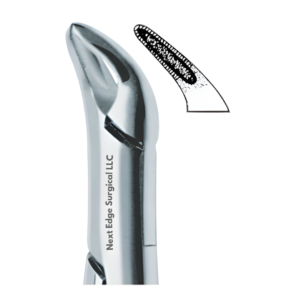
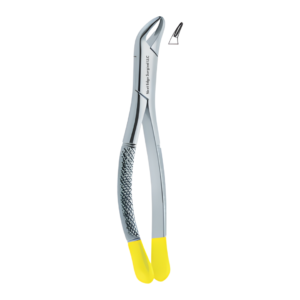
Our Woodward Lower Molars Forceps – NES-362 is designated for suitable lower molar extraction procedures. It provides another Woodward-pattern option within our professional dental instrument collection, identified by its separate product SKU.
Evaluating Lower Molar Anatomy and Crown Condition
Lower molars generally have broad crowns and multiple roots, although anatomical variations occur. Root curvature, separation, and the condition of surrounding periodontal tissues can influence extraction planning and resistance.
NES-362 belongs to our dental extraction forceps range. Its stated application matches NES-361, but separate SKU numbers do not establish a particular difference in dimensions or working-end geometry. Clinicians should confirm the actual instrument configuration when selecting between catalog options.
Features and Benefits
| Feature | Benefit |
| Woodward pattern designation | Identifies the named extraction forceps classification. |
| Lower molar application | Relates to suitable mandibular molar extractions. |
| Posterior anatomical focus | Supports preparation for lower back-tooth procedures. |
| Crown engagement role | Complements controlled tooth mobilization and removal. |
| Molar extraction classification | Helps organize instruments by intended tooth group. |
| Separate SKU identification | Supports accurate product selection and inventory tracking. |
Instrument Care and Handling
Inspect NES-362 before treatment for visible residue, damage, and irregularities around its working surfaces. Confirm normal opening and closing movement. Keep the instrument protected from accidental impacts during clinical preparation.
After use, remove biological deposits and tooth particles promptly. Examine accessible joint spaces and gripping surfaces for retained material. Complete cleaning and sterilization according to validated reprocessing instructions before subsequent patient use.
During lower molar extraction, assess the available crown structure and the relationship between the roots and surrounding bone. Teeth with extensive decay or large restorations may have reduced structural integrity.
Consider root curvature and separation when evaluating mobility. Appropriate examination and imaging can help identify anatomical factors that may complicate removal.
Protect neighboring teeth, gingiva, and soft tissues throughout instrument placement. Avoid uncontrolled pressure against adjacent structures, particularly when access is restricted.
If the molar remains resistant, reassess the extraction technique rather than increasing force unnecessarily. Some cases may require additional mobilization or a different clinical approach.
Transfer the used forceps securely for processing. Following cleaning, sterilization, and inspection, store NES-362 in a protected posterior extraction tray. Regular maintenance helps identify changes in condition and supports consistent preparation for future mandibular molar procedures.
Product Specifications
| Specification | Details |
| Product Name | Woodward Lower Molars |
| SKU | NES-362 |
| Brand | Next Edge Surgical LLC |
| Product Category | Dental Extracting Forceps |
| Instrument Pattern | Woodward |
| Anatomical Region | Mandibular Molars |
| Intended Application | Lower Molar Extraction |
Frequently Asked Questions
Which teeth are targeted by NES-362?
Suitable mandibular molars.
Is NES-362 different from NES-361?
Both share the stated application; physical differences require confirmation.
Why evaluate crown integrity?
A weakened crown may fracture during extraction.
Can lower molars have curved roots?
Yes, root curvature and separation vary.
What maintenance is recommended?
Cleaning, sterilization, inspection, and protected storage.
Reviews
There are no reviews yet.