

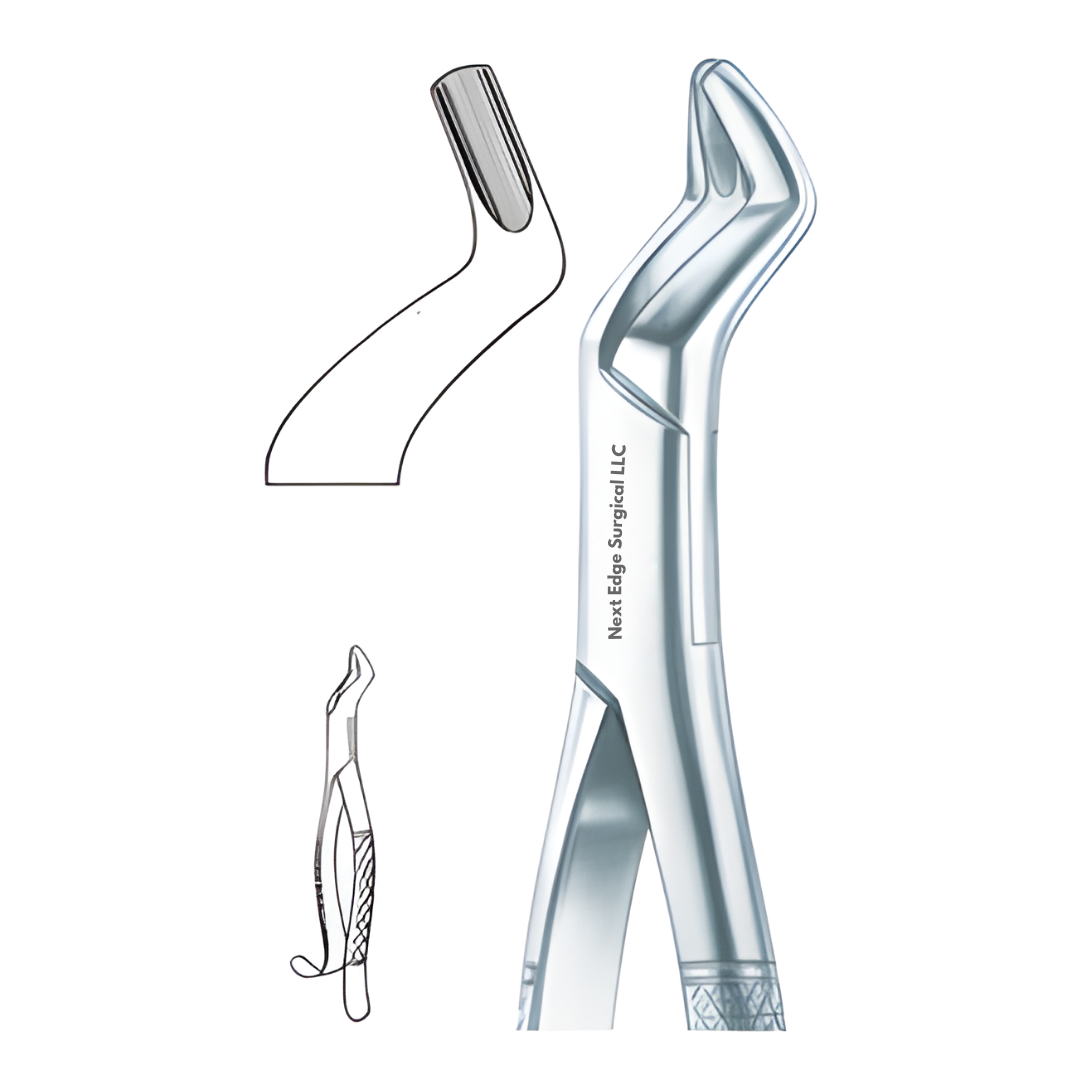
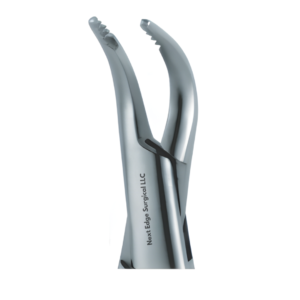
Dental Extraction Forceps – Upper Third Molars – NES-334
Upper wisdom teeth sit at the back of the maxillary arch, where visibility and instrument positioning may be limited. Their removal calls for attention to eruption, root form, and the structures surrounding the extraction site.
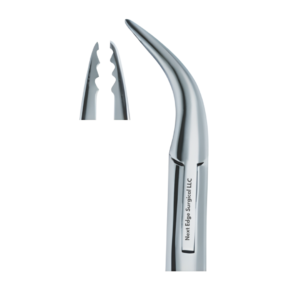
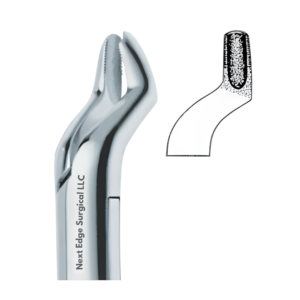
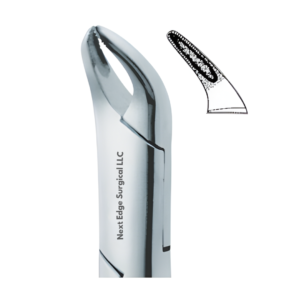
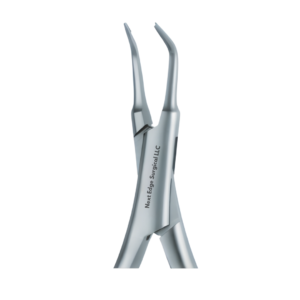
Our Upper Third Molars Forceps – NES-334 is designated for suitable maxillary wisdom tooth extraction. It provides a tooth-specific instrument option when examination indicates that conventional forceps engagement is appropriate.
Evaluating Upper Wisdom Tooth Access
Maxillary third molars vary widely in crown position and root anatomy. Some are fully erupted, while others remain partially erupted or impacted. Their roots may be fused, and their relationship to the maxillary sinus can affect the extraction strategy.
NES-334 belongs to our dental extraction forceps collection. Its upper-third-molar designation identifies the intended posterior maxillary tooth group. Clinical examination and appropriate imaging help establish accessibility, mobility, and whether forceps delivery suits the individual case.
Features and Benefits
| Feature | Benefit |
| Upper third molar designation | Focuses selection on maxillary wisdom teeth. |
| Posterior maxillary application | Relates to the final tooth position in the upper arch. |
| Wisdom tooth classification | Distinguishes the intended group from first and second molars. |
| Crown engagement purpose | Supports grasping when suitable tooth structure is accessible. |
| Variable root context | Encourages assessment of third molar root anatomy. |
| Extraction workflow role | Complements evaluation, mobilization, and controlled delivery. |
Instrument Care and Handling
Inspect the working surfaces before the procedure for visible residue, damage, and wear. Confirm normal opening and closing movement. Keep NES-334 protected from impacts while arranging the posterior extraction instruments.
After treatment, remove blood and tooth debris promptly, including particles from a fractured crown. Clean the contact surfaces and accessible joint areas carefully. Complete the established cleaning and sterilization process before preparing the instrument for another clinical use.
Upper third molar procedures require particular awareness of posterior access. Evaluate eruption status and the available crown before attempting engagement. Consider root anatomy and sinus proximity during planning. When the tooth is impacted or remains resistant, reassess the approach rather than forcing delivery with an unsuitable movement.
Protect the cheek, adjacent second molar, and surrounding tissues throughout placement. Transfer the used forceps securely for reprocessing. Store it in a protected extraction tray once processed, away from heavier instruments that could strike its working ends. Regular inspection supports orderly preparation for future maxillary wisdom tooth procedures.
Product Specifications
| Specification | Details |
| Product Name | Upper Third Molars |
| SKU | NES-334 |
| Brand | Next Edge Surgical LLC |
| Product Category | Dental Extracting Forceps |
| Instrument Type | Upper Third Molar Extraction Forceps |
| Anatomical Region | Maxillary Third Molars |
| Intended Application | Upper Wisdom Tooth Extraction |
Frequently Asked Questions
Which teeth are targeted by NES-334?
Suitable upper third molars, or wisdom teeth.
Does eruption status affect selection?
Yes, it influences access and the extraction approach.
Why consider the maxillary sinus?
Upper posterior roots can lie close to it.
Can impacted wisdom teeth need other techniques?
Yes, some require surgical access or additional mobilization.
How should the forceps be maintained?
Clean, sterilize, inspect, and store it securely.
Reviews
There are no reviews yet.