


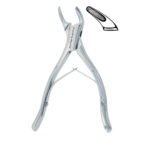


Dental Extraction Forceps – Lower Incisors Premolars Roots – NES-214
A fractured lower incisor and a sound premolar may occupy the same arch, yet they call for different extraction decisions. The amount of tooth remaining above the gumline can determine whether direct grasping is practical.
Our Lower Incisors Premolars Roots Forceps – NES-214 is designated for mandibular incisors, premolars, and root removal. It brings these related applications together for clinicians preparing suitable lower-arch extraction procedures.
Choosing an Approach for Lower Teeth and Roots
Mandibular incisors typically have narrow roots, sometimes with pronounced flattening. Lower premolars usually have one root, although curvature and anatomical variation matter. Once a crown breaks, access to the remaining root may become the principal challenge.
NES-214 belongs to our dental extraction forceps collection. Its designation spans intact teeth and root remnants rather than promising one technique for every case. Examination of mobility, surrounding bone, and accessible structure guides instrument selection and the sequence of removal.
Features and Benefits
| Feature | Benefit |
| Lower incisor application | Relates to extraction of suitable mandibular anterior teeth. |
| Lower premolar application | Includes the tooth group behind the lower canines. |
| Root removal designation | Addresses appropriately accessible retained root structures. |
| Mandibular focus | Helps distinguish lower-arch selection from maxillary patterns. |
| Combined tooth and root scope | Fits procedures involving different amounts of remaining structure. |
| Forceps engagement role | Supports controlled grasping when clinical conditions permit. |
Instrument Care and Handling
Inspect the working ends before placing NES-214 on the treatment tray. Look for retained deposits, visible wear, and damage that might interfere with tooth contact. Check movement during setup and protect the contact surfaces from impacts with heavier instruments.
After use, remove blood and small tooth particles promptly, particularly when a fractured root has been retrieved. Clean accessible joint spaces and gripping areas thoroughly. Complete the practice’s established cleaning and sterilization workflow before the instrument is prepared for another patient.
Lower incisors can have limited crown structure available for secure engagement. Premolars may present curved roots, while retained fragments may sit below the gingival margin. Evaluate visibility and mobility before attempting removal; additional access or mobilization may be preferable to forceful grasping.
Protect neighboring teeth and soft tissues during placement. Transfer the used instrument securely for processing and return it to protected storage afterward. Periodic inspection supports careful preparation for subsequent mandibular extraction appointments.
Product Specifications
| Specification | Details |
| Product Name | Lower Incisors Premolars Roots |
| SKU | NES-214 |
| Brand | Next Edge Surgical LLC |
| Product Category | Dental Extracting Forceps |
| Instrument Type | Lower Tooth and Root Extraction Forceps |
| Anatomical Region | Mandibular Incisors, Premolars and Roots |
| Intended Application | Lower Tooth and Root Extraction |
Frequently Asked Questions
Which tooth groups does NES-214 cover?
Lower incisors, premolars, and appropriate root remnants.
Why inspect the remaining crown?
Fractured structure can limit secure instrument engagement.
Are mandibular incisor roots always round?
No, they commonly show flattening and anatomical variation.
When might a root need additional access?
When limited exposure prevents appropriate grasping.
What care is needed between patients?
Cleaning, sterilization, inspection, and protected storage.
Reviews
There are no reviews yet.