

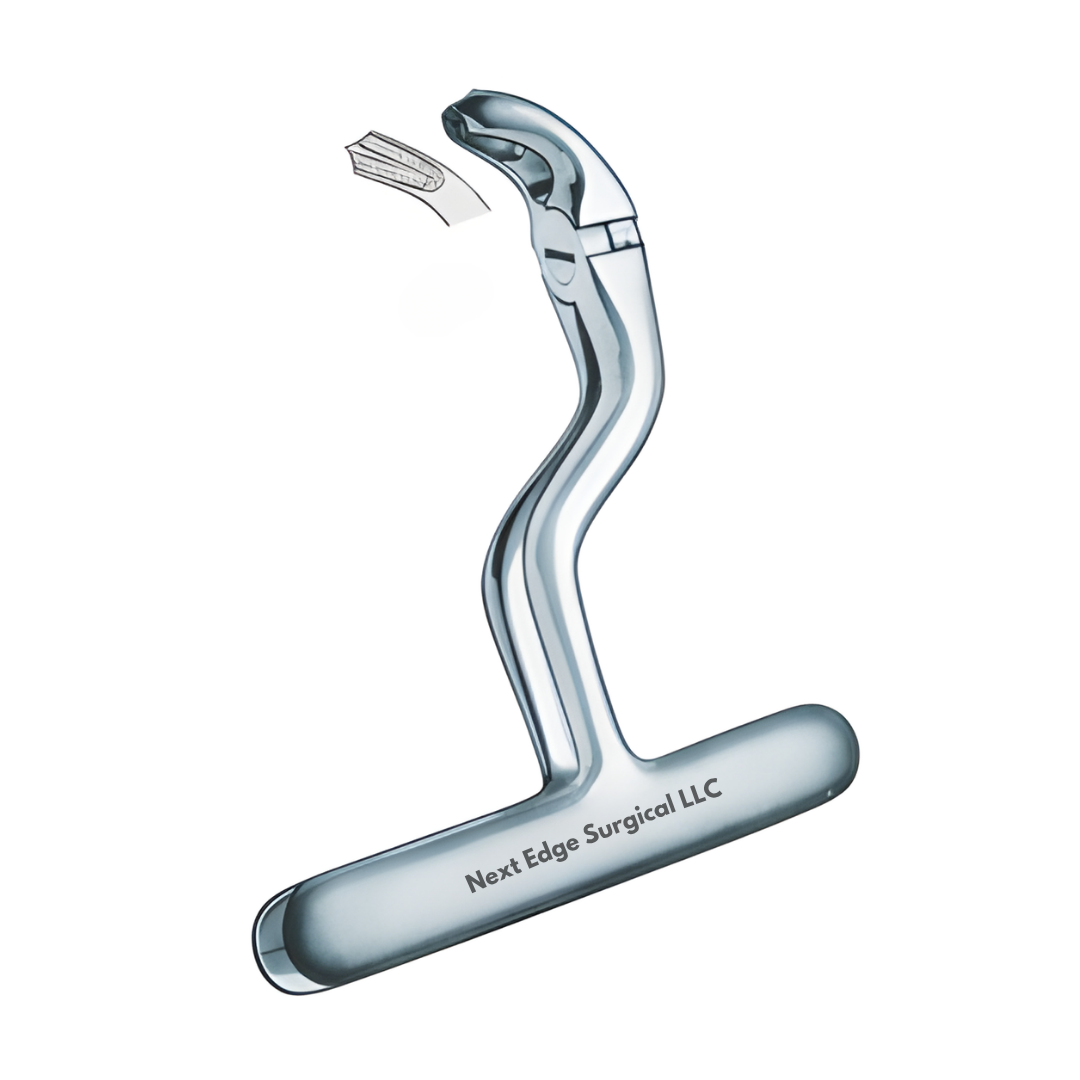
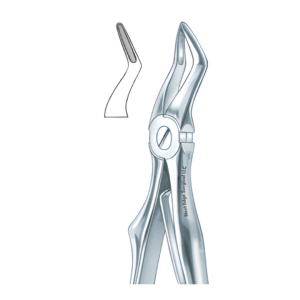
Dental Extraction Forceps – Lower Molars Either Side – NES-204
A lower molar can demand substantial preparation even when its crown appears intact. It sits within mandibular bone, and its roots may resist movement, making careful instrument selection essential.
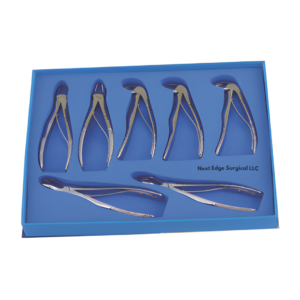
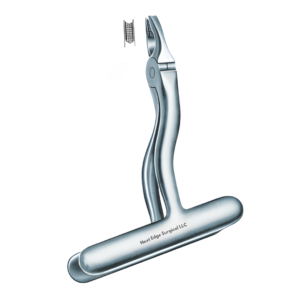
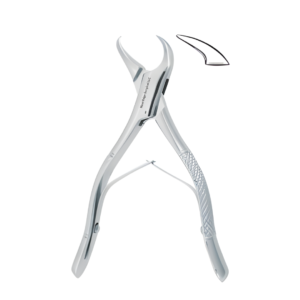
Our Lower Molars Either Side Forceps – NES-204 is designated for mandibular molar extraction on either side. This either-side classification helps clinicians select an instrument by tooth group and arch without restricting the application to one quadrant.
Addressing Mandibular Molar Resistance
Lower first and second molars commonly have mesial and distal roots, although their anatomy varies. Root curvature, periodontal support, and the density of surrounding bone influence mobility. Existing restorations and weakened crowns also affect whether the tooth can withstand direct forceps engagement.
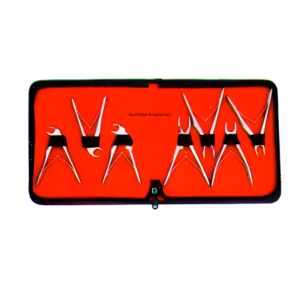
NES-204 belongs to our dental extraction forceps collection. Its lower-molar designation identifies the intended posterior mandibular region, while either-side use covers both quadrants. Clinical assessment determines the appropriate engagement, mobilization, and delivery sequence for each tooth.
Features and Benefits
| Feature | Benefit |
| Lower molar application | Focuses selection on mandibular posterior teeth. |
| Either-side designation | Covers right and left lower molar procedures. |
| Mandibular classification | Separates its intended use from upper molar patterns. |
| Multi-root clinical context | Supports planning around mesial and distal roots. |
| Crown engagement function | Provides grasping during suitable tooth delivery. |
| Posterior extraction role | Complements appropriate preliminary mobilization techniques. |
Instrument Care and Handling
Check the gripping surfaces for retained material or visible damage before the procedure. Confirm normal movement during tray preparation, and position the instrument to prevent contact with neighboring working ends. A clean, organized setup helps the clinician select the appropriate tool deliberately.
After removal of a lower molar, clear blood, tissue debris, and tooth particles promptly. Clean the contact surfaces and accessible joint areas carefully. Complete the established cleaning and sterilization process before returning NES-204 to the extraction tray.
During treatment, consider the condition of the crown before applying gripping pressure. A heavily restored or fractured molar may need another approach. Evaluate root separation and the relationship to surrounding bone; when resistance remains significant, additional mobilization may be appropriate instead of greater force.
Maintain awareness of the cheek, adjacent teeth, and nearby mandibular anatomy during the procedure. Transport the instrument securely after use. Store it in a protected position with lower molar instruments and inspect it periodically for changes that could affect clinical handling.
Product Specifications
| Specification | Details |
| Product Name | Lower Molars Either Side |
| SKU | NES-204 |
| Brand | Next Edge Surgical LLC |
| Product Category | Dental Extracting Forceps |
| Instrument Type | Lower Molar Extraction Forceps |
| Anatomical Region | Right and Left Mandibular Molars |
| Intended Application | Lower Molar Extraction |
Frequently Asked Questions
Can NES-204 be selected for either quadrant?
Yes, its designation covers both lower molar sides.
What root arrangement is common in lower molars?
Many have separate mesial and distal roots.
Why assess restorations before extraction?
They may weaken the remaining crown structure.
What if a molar resists initial movement?
Reassess mobility and consider additional appropriate mobilization.
Which surfaces need cleaning after treatment?
Gripping areas and accessible joint surfaces.
Reviews
There are no reviews yet.