


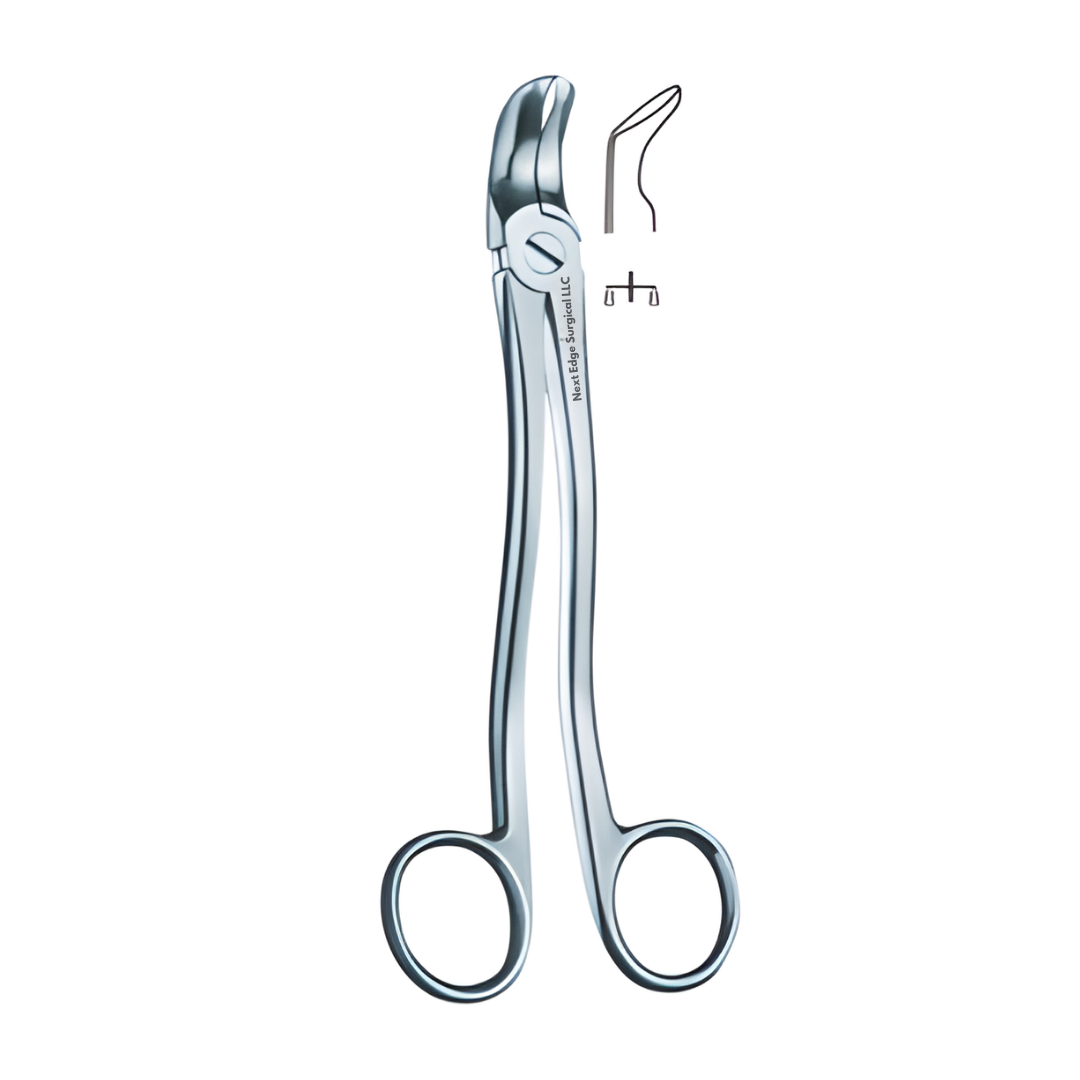
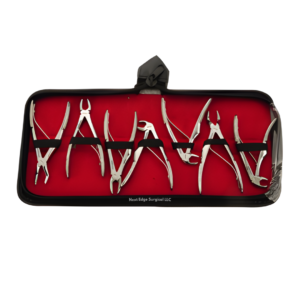
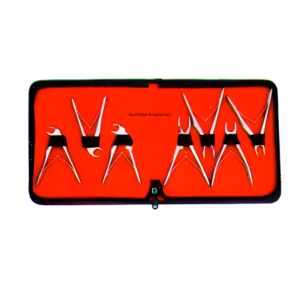
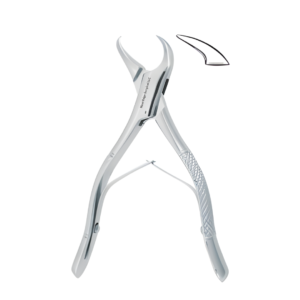
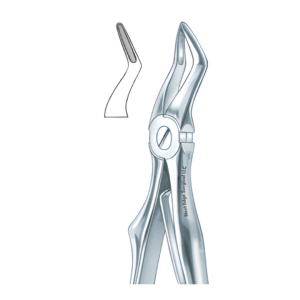
Dental Extraction Forceps – Koehler Luxation Forceps Right & Left Molars – NES-202
Molar removal often begins before a tooth leaves its socket. The clinician first evaluates attachment, crown integrity, and movement available without placing excessive stress on surrounding structures.
Our Koehler Luxation Forceps Right & Left Molars – NES-202 is designated for molar luxation on either side of the dental arch. Its named pattern identifies an instrument intended for the mobilization stage of appropriate molar extraction procedures.
Preparing Molars for Controlled Delivery
Luxation refers to loosening a tooth within its socket by disrupting periodontal attachment and encouraging controlled movement. Molar roots can resist movement differently depending on their number, curvature, and surrounding bone. These factors help determine how a clinician approaches initial mobilization.
NES-202 is included in our dental extraction forceps collection. The right-and-left designation supports instrument selection for molars on either side. The Koehler pattern belongs within an extraction sequence that may also involve elevators, conventional forceps, or surgical techniques according to clinical findings.
Features and Benefits
| Feature | Benefit |
| Koehler luxation pattern | Identifies the named instrument category for tooth mobilization. |
| Right and left designation | Addresses molar procedures on either side of the arch. |
| Molar-focused application | Supports planning around posterior tooth anatomy. |
| Luxation role | Relates to loosening the tooth before final delivery. |
| Periodontal attachment context | Fits procedures requiring assessment of tooth mobility. |
| Extraction sequence relevance | Complements other removal instruments. |
Instrument Care and Handling
Before treatment, examine the working ends for deposits, surface irregularities, and visible damage. Check that the instrument moves as intended in preparation. Position it securely on the tray, away from heavier instruments that could strike the contact surfaces.
After a molar procedure, promptly remove blood and tissue debris. Pay attention to areas that contact the tooth and to accessible joint surfaces. Complete the established cleaning and sterilization workflow, then keep the processed instrument protected until its next use.
During luxation, avoid using uncontrolled force when a molar remains firmly supported. Root divergence, crown damage, and the thickness of surrounding bone can change the appropriate technique. Reassess resistance before continuing, especially near adjacent restorations or vulnerable anatomical structures.
Transport NES-202 in a secure position after treatment. Store it with the molar extraction instruments in an organized tray. Regular inspection helps identify wear and supports consistent preparation for procedures involving either side of the mouth.
Product Specifications
| Specification | Details |
| Product Name | Koehler Luxation Forceps Right & Left Molars |
| SKU | NES-202 |
| Brand | Next Edge Surgical LLC |
| Product Category | Dental Extracting Forceps |
| Instrument Pattern | Koehler Luxation |
| Tooth Group | Molars |
| Side Application | Right and Left |
| Intended Application | Molar Luxation During Extraction |
Frequently Asked Questions
What is the main role of NES-202?
To assist with appropriate molar luxation during extraction.
Does its designation cover both sides?
Yes, right and left molar applications are listed.
What does luxation accomplish?
It helps loosen periodontal attachment before tooth delivery.
Why evaluate molar roots first?
Their arrangement influences resistance and planned movement.
What should be inspected after use?
Contact surfaces, accessible joints, and overall instrument condition.
Reviews
There are no reviews yet.