


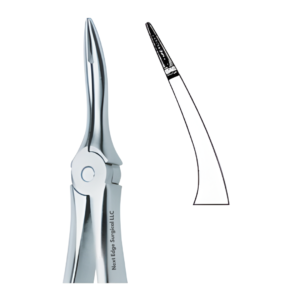
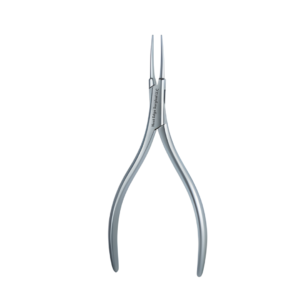

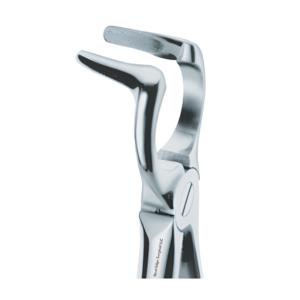
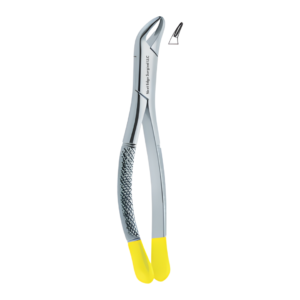
Dental Extraction Forceps – Upper Molars – NES-313
A maxillary molar may appear accessible at the crown while its roots remain firmly supported beneath the gumline. Visible access alone does not establish whether forceps removal is appropriate.
Our Upper Molars Forceps – NES-313 is designated for suitable upper molar extraction procedures. It offers a maxillary posterior instrument option for dental teams planning tooth removal according to anatomy, crown condition, and mobility.
From Crown Assessment to Molar Mobilization
Upper molars commonly possess three roots, although individual anatomy varies. The roots may diverge beneath the crown, while posterior teeth can lie close to the maxillary sinus. Evaluating these relationships helps the clinician select an appropriate removal approach.
NES-313 is part of our dental extraction forceps collection for maxillary molars. Its designation identifies the upper molar tooth group without assigning a specific left or right quadrant. When preparing for extraction, clinicians assess restorations, remaining crown structure, periodontal support, and any need for preliminary mobilization.
Features and Benefits
| Feature | Benefit |
| Upper molar application | Identifies the intended maxillary posterior tooth group. |
| Molar extraction focus | Supports selection for suitable upper back-tooth procedures. |
| Direct tooth engagement | Provides a grasping option where sufficient crown remains. |
| Root-anatomy relevance | Fits clinical planning around commonly divergent molar roots. |
| Posterior procedure role | Complements assessment of access and surrounding structures. |
| Extraction instrument category | Works within workflows involving elevators and mobilization. |
Instrument Care and Handling
During preparation, inspect the gripping surfaces for contamination, irregularities, or visible damage. Check the opening and closing action before placing the forceps in the operative field. Arrange instruments so their working ends remain protected.
Once the procedure is finished, remove tissue residue, blood, and tooth particles promptly. Pay particular attention to contact areas and accessible joints during cleaning. Complete the established reprocessing and sterilization workflow before the next clinical use.
When handling an upper molar, evaluate whether the crown can tolerate forceps engagement. Extensive decay or large restorations may increase the likelihood of fracture. Apply movements appropriate to the tooth’s mobility rather than relying on uncontrolled pressure.
The maxillary sinus and neighboring teeth are relevant to posterior extraction planning. If resistance persists, the clinician may choose additional mobilization or a different surgical approach. Protect NES-313 during transportation, then store it in an organized extraction tray. Periodic inspection supports consistent preparation and timely identification of instrument wear.
Product Specifications
| Specification | Details |
| Product Name | Upper Molars |
| SKU | NES-313 |
| Brand | Next Edge Surgical LLC |
| Product Category | Dental Extracting Forceps |
| Instrument Type | Upper Molar Extraction Forceps |
| Anatomical Region | Maxillary Posterior Dentition |
| Intended Application | Upper Molar Extraction |
Frequently Asked Questions
What is the main purpose of NES-313?
Extraction of suitable molars in the upper jaw.
Why does crown integrity matter?
Weak crowns may fracture during instrument engagement.
Are maxillary molars usually multi-rooted?
Yes, upper first and second molars commonly have three roots.
What nearby structure matters during planning?
The maxillary sinus near posterior upper roots.
How should the forceps be maintained?
Through inspection, prompt cleaning, reprocessing, and protected storage.
Reviews
There are no reviews yet.