


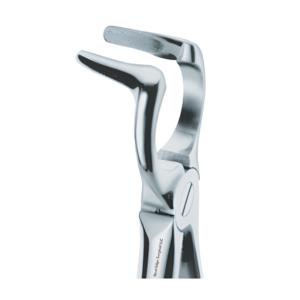
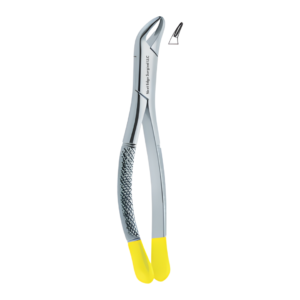
Dental Extraction Forceps – Lower Molars – NES-312
Lower molar extraction depends on how the tooth is anchored. Dense supporting bone, individual root anatomy, and the amount of remaining crown can influence the choice and timing of forceps engagement.
Our Lower Molars Forceps – NES-312 is intended for suitable mandibular molar extractions. It provides an instrument option for posterior extraction and controlled mobilization.
Assessing Mandibular Support Before Removal
Lower first and second molars usually have mesial and distal roots. Their configuration varies, and the surrounding alveolar bone may resist displacement. A clinical examination and appropriate imaging help the practitioner anticipate challenges before engaging the tooth.
NES-312 is included in our dental extraction forceps range for mandibular molars. The instrument’s designation identifies its intended tooth group without implying a particular jaw shape or named pattern. Clinicians consider crown stability, periodontal support, and root morphology when deciding whether direct forceps removal is appropriate.
Features and Benefits
| Feature | Benefit |
| Mandibular molar designation | Focuses instrument selection on lower posterior teeth. |
| Tooth-group specialization | Differentiates molar extraction from anterior tooth procedures. |
| Crown grasping purpose | Supports engagement of suitable remaining tooth structure. |
| Multi-root clinical relevance | Fits procedures involving common lower molar root anatomy. |
| Posterior workflow role | Complements assessment and preliminary tooth mobilization. |
| Direct extraction application | Provides a forceps option for appropriate mandibular molar removal. |
Instrument Care and Handling
Before placing NES-312 on the treatment tray, examine the tooth-contact surfaces for trapped debris or visible damage. Test its opening and closing movement. Instruments showing abnormal operation should not enter the prepared clinical field.
Following extraction, begin cleaning without unnecessary delay. Remove blood and biological residue from the working ends and accessible joint areas. Complete the established cleaning and sterilization procedure before returning the instrument to service.
During lower molar extraction, avoid using increased force as a substitute for adequate mobility. Consider the strength of the crown and the relationship of the roots to surrounding bone. A heavily damaged tooth may require sectioning or another clinical technique instead of direct grasping.
Keep the instrument protected during transport between treatment and reprocessing. After cleaning and processing, store it in a dedicated tray where contact with heavier instruments is minimized. Routine checks support preparation for subsequent appointments.
Instrument selection should also account for the patient’s ability to open comfortably and the access available around neighboring teeth. These considerations affect access to the posterior mandible.
Product Specifications
| Specification | Details |
| Product Name | Lower Molars |
| SKU | NES-312 |
| Brand | Next Edge Surgical LLC |
| Product Category | Dental Extracting Forceps |
| Instrument Type | Lower Molar Extraction Forceps |
| Anatomical Region | Mandibular Posterior Dentition |
| Intended Application | Lower Molar Extraction |
Frequently Asked Questions
Which teeth does NES-312 address?
Suitable molars in the lower jaw.
Why is bone support relevant?
Surrounding alveolar bone influences resistance during removal.
Do lower molars always have identical roots?
No, root curvature and configuration vary between teeth.
When might sectioning be considered?
When tooth structure or anatomy makes direct removal unsuitable.
How should the instrument be transported?
With its working ends protected from heavier equipment.
Reviews
There are no reviews yet.