


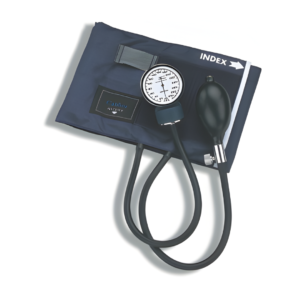

Dual Head Stethoscope Burgundy tubing – Surgical Diagnostic Instrument – 01-112-00
Auscultation helps clinicians assess internal body sounds without electronic monitoring equipment. Whether checking respiratory activity or listening to cardiac sounds, an acoustic stethoscope remains a familiar instrument in everyday medical practice.
Our Dual Head Stethoscope with Burgundy Tubing – 01-112-00 combines a two-sided chestpiece arrangement with a distinctive burgundy appearance. It provides a practical examination option for healthcare professionals who prefer easily recognizable equipment within their clinical workspace.
Two-Sided Chestpiece for Flexible Auscultation
Different clinical sounds occupy different frequency ranges. Traditional dual-head stethoscopes address this through separate listening surfaces, commonly incorporating a diaphragm for higher-frequency sounds and a bell for lower-frequency assessment.
The 01-112-00 is a surgical diagnostic instrument intended for acoustic patient examination. Its burgundy tubing provides a recognizable visual characteristic, while the dual-head configuration supports cardiovascular and respiratory listening techniques used during professional assessments.
Features and Benefits
| Feature | Benefit |
| Dual-head configuration | Provides two acoustic listening options. |
| Burgundy tubing | Offers distinctive color identification in clinical settings. |
| Cardiac auscultation | Supports examination of audible heart sounds. |
| Respiratory assessment | Allows listening across different lung regions. |
| Acoustic operation | Functions without electronic amplification or batteries. |
| General examination application | Supports everyday physical assessment workflows. |
Instrument Care and Handling
Begin each examination by checking the tubing, chestpiece, and earpieces. Inspect for visible contamination, loose connections, or physical damage that could affect normal instrument operation.
Place the eartips correctly to establish a comfortable acoustic seal. Adjust positioning before beginning the assessment to reduce interference from surrounding activity.
When using a dual-head chestpiece, select the appropriate listening surface for the examination. Confirm that the intended side is active if the instrument uses a rotating selection mechanism.
For cardiac assessment, listen systematically at the relevant anatomical locations. Evaluate the sounds within the context of the patient’s clinical history, examination findings, and presenting symptoms.
During respiratory assessment, compare breath sounds across corresponding lung regions. Consistent chestpiece placement and an appropriately quiet environment can improve examination conditions.
Clean the chestpiece after patient contact and disinfect frequently touched surfaces using compatible cleaning products. Include the eartips in routine hygiene procedures when appropriate.
Protect the burgundy tubing from prolonged sunlight, excessive heat, and unnecessary stretching. Avoid storing the instrument under heavy objects that could deform its tubing.
Keep the stethoscope in a dry, clean storage area between examinations. Periodically examine the tubing connections and eartips for signs of wear.
Appropriate cleaning, careful handling, and regular visual inspection help preserve the instrument’s condition during repeated professional use.
Product Specifications
| Specification | Details |
| Product Name | Dual Head Stethoscope Burgundy tubing |
| SKU | 01-112-00 |
| Brand | Next Edge Surgical LLC |
| Product Category | Diagnostic Instruments |
| Chestpiece Configuration | Dual Head |
| Tubing Color | Burgundy |
| Intended Use | Cardiovascular and Respiratory Auscultation |
Frequently Asked Questions
What examinations can this stethoscope support?
Routine cardiac, respiratory, and general physical examinations.
Why choose burgundy tubing?
It provides a distinctive appearance for equipment identification.
What does the dual-head design provide?
Two listening surfaces for different auscultation techniques.
Is it suitable for medical training?
Yes, for supervised clinical auscultation practice.
How should the tubing be protected?
Avoid excessive heat, stretching, and sharp bends.
Reviews
There are no reviews yet.