


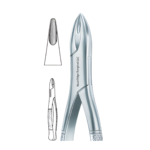
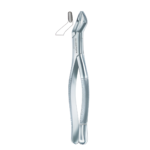
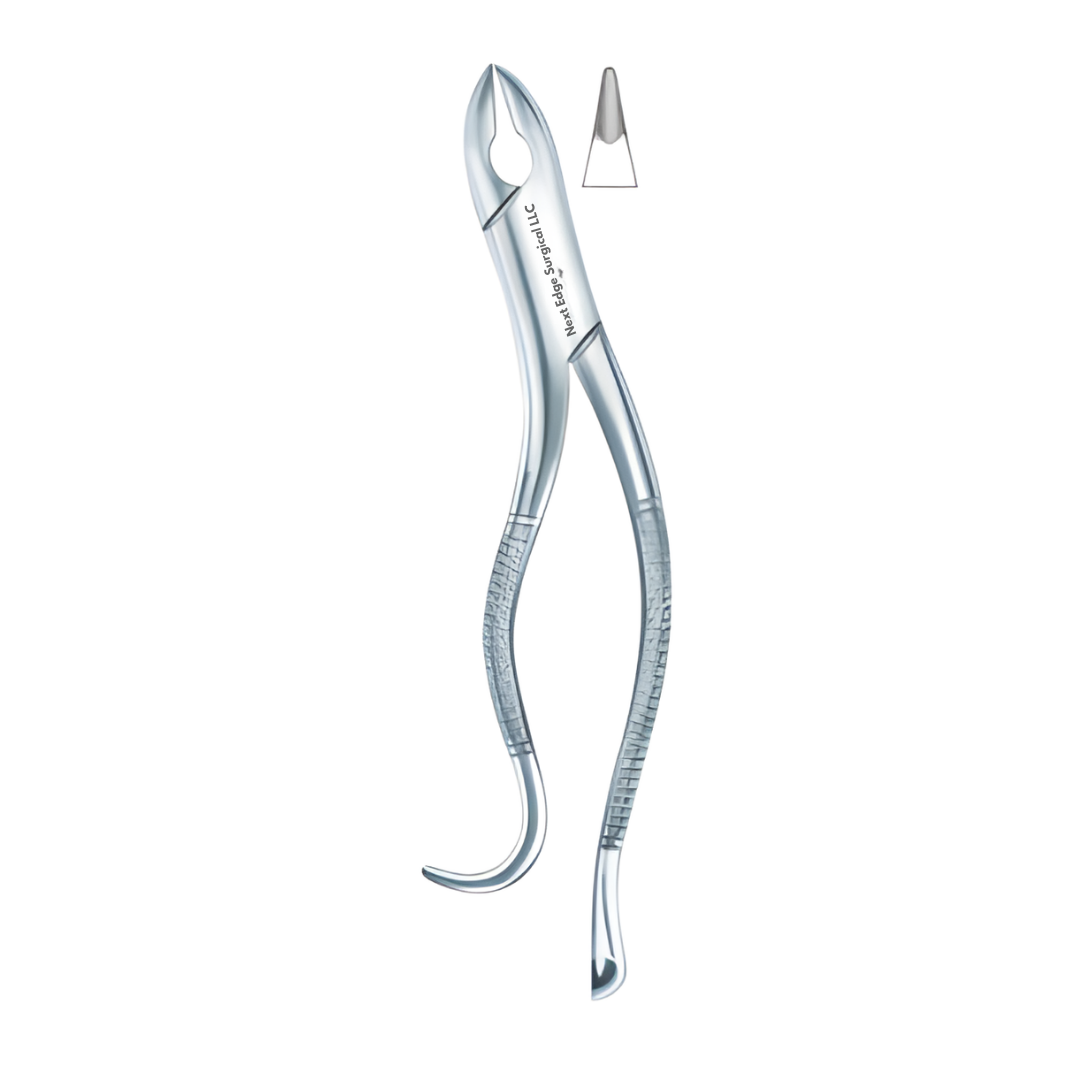
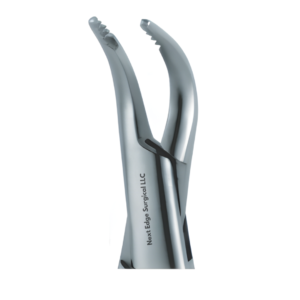
Dental Extraction Forceps – Nevius Upper Canines – NES-359
A maxillary canine may appear straightforward to extract, yet its long root and firm periodontal attachment can create considerable resistance. Crown condition, root curvature, and surrounding bone must all be considered before instrument engagement.
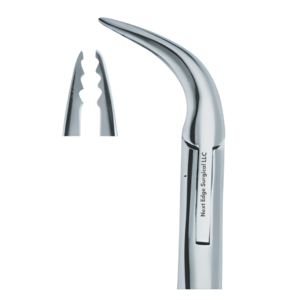
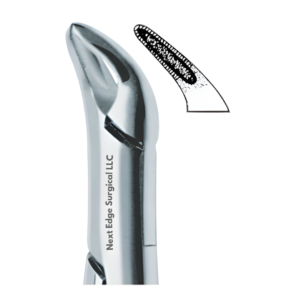
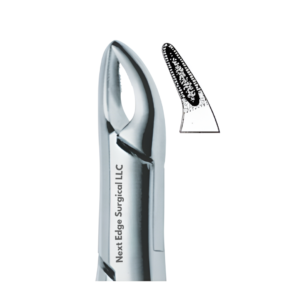
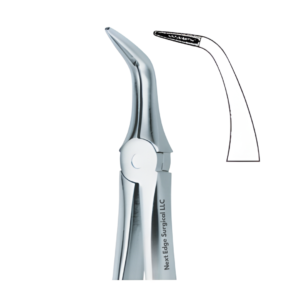
Our Nevius Upper Canines Forceps – NES-359 is designated for suitable upper canine extraction procedures. It provides another Nevius-pattern option within our professional dental instrument collection, identified by its individual product SKU.
Evaluating Canine Mobility and Root Position
Upper canines generally have a single prominent root extending deeply into the maxillary alveolar bone. Anatomical variations, existing restorations, and periodontal conditions may influence the degree of mobility achieved during extraction.
NES-359 belongs to our dental extraction forceps collection. Its stated application matches NES-357, although their separate SKU numbers do not independently establish differences in dimensions or working-end geometry. Clinicians should confirm the actual instrument configuration when selecting between catalog options.
Features and Benefits
| Feature | Benefit |
| Nevius pattern designation | Identifies the named instrument classification. |
| Maxillary canine application | Focuses selection on suitable upper canine procedures. |
| Anterior extraction relevance | Supports preparation for canine removal within the upper arch. |
| Tooth engagement function | Complements controlled mobilization and delivery. |
| Tooth-specific application | Helps distinguish canine instruments from molar forceps. |
| Separate SKU identification | Supports accurate product selection and inventory tracking. |
Instrument Care and Handling
Before treatment, inspect NES-359 for visible residue, damage, and irregularities around its working surfaces. Confirm normal opening and closing movement. Protect the instrument from accidental impacts during tray preparation.
After extraction, promptly remove biological deposits and tooth particles. Examine accessible joint spaces and gripping areas for retained material. Complete cleaning and sterilization according to validated reprocessing instructions before subsequent patient use.
During maxillary canine extraction, assess root length, crown condition, and the relationship between the tooth and surrounding bone. Extensive restorations or decay may reduce the structure available for engagement.
Protect neighboring lateral incisors and premolars throughout instrument placement. Maintain appropriate visibility and avoid uncontrolled pressure against adjacent teeth or gingival tissues.
If mobility remains limited, reassess the extraction technique rather than increasing force unnecessarily. Root curvature or unexpected resistance may require additional clinical evaluation.
Transfer the used forceps securely for processing. Following cleaning, sterilization, and inspection, store NES-359 in a protected extraction tray. Routine condition checks help identify wear and support organized preparation for future canine extraction procedures. Appropriate storage also reduces unnecessary contact between working surfaces and neighboring instruments.
Product Specifications
| Specification | Details |
| Product Name | Nevius Upper Canines |
| SKU | NES-359 |
| Brand | Next Edge Surgical LLC |
| Product Category | Dental Extracting Forceps |
| Instrument Pattern | Nevius |
| Anatomical Region | Maxillary Canines |
| Intended Application | Upper Canine Extraction |
Frequently Asked Questions
Which teeth are targeted by NES-359?
Suitable upper canine teeth.
Is NES-359 different from NES-357?
Both share the stated application; physical differences require confirmation.
Why can upper canines resist extraction?
Their long roots provide substantial periodontal attachment.
Should adjacent teeth be protected?
Yes, neighboring teeth and soft tissues require careful protection.
What maintenance is recommended?
Cleaning, sterilization, inspection, and protected storage.
Reviews
There are no reviews yet.