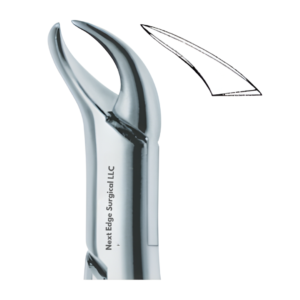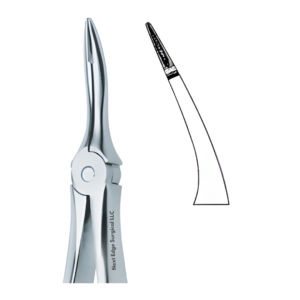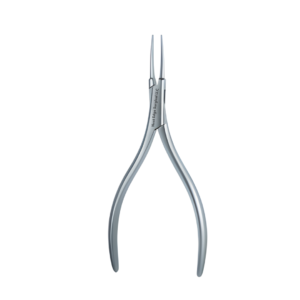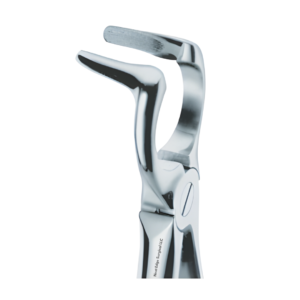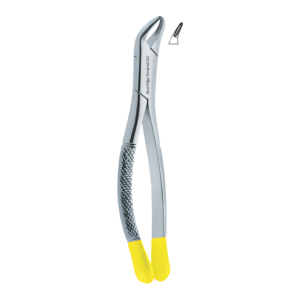


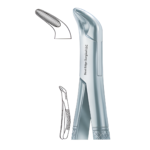
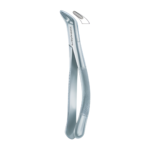
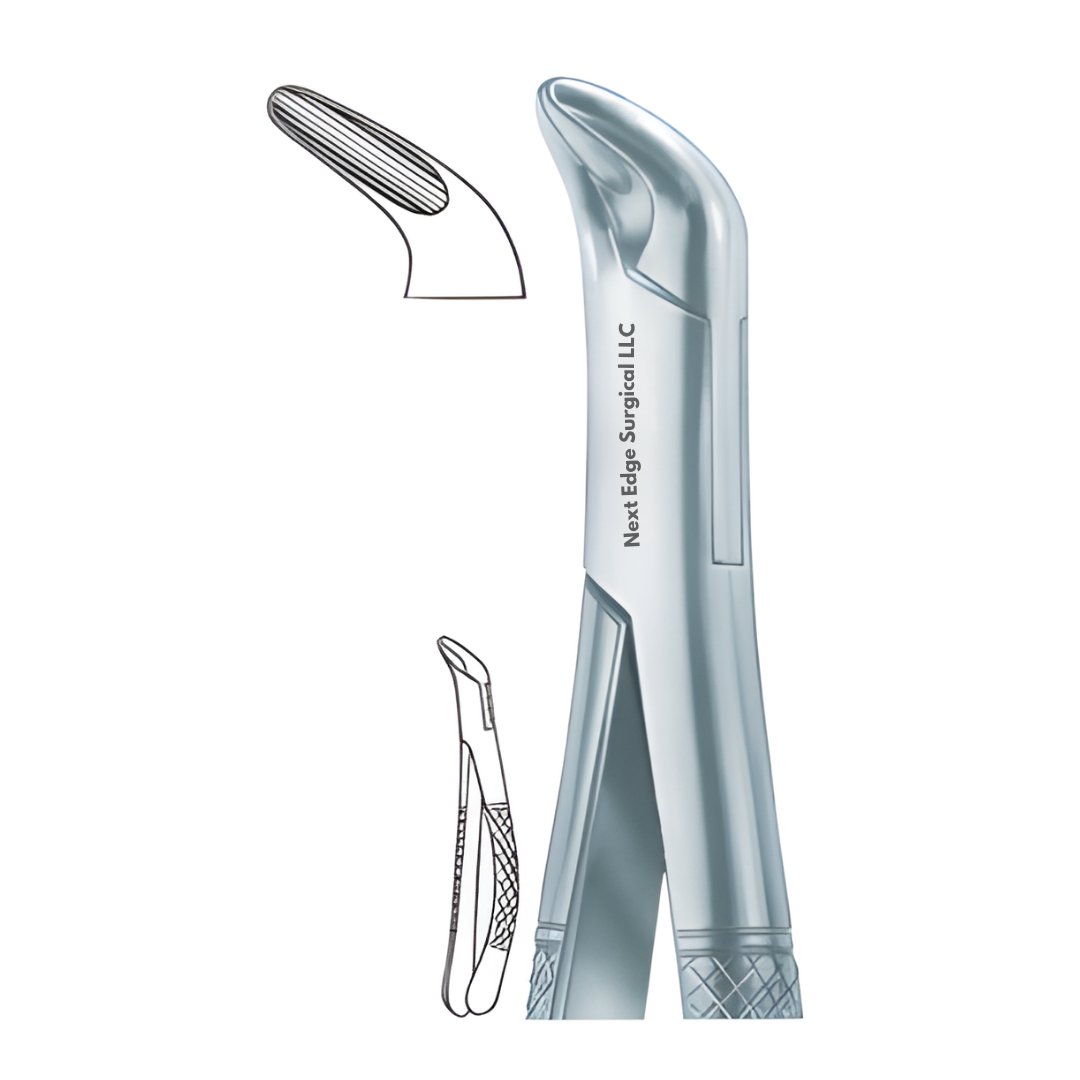
Why would a practice need two Cryer-pattern forceps for the same tooth range? Simple: fit is personal. Article NES-344 shares its core purpose with NES-343, covering lower incisors, premolars, and roots, but carries a distinct beak geometry that seats differently in the hand and against the tooth.
Clinicians rarely talk about it openly, but instrument “feel” shapes technique more than most spec sheets ever admit. Two forceps built to the same general specification can still grip differently depending on subtle variations in jaw curvature, angle, or width from one production run to the next. For a multi-provider practice, having a second Cryer configuration on hand means each clinician can reach for the version that actually suits their hand and their approach, rather than adapting technique to fit a single design everyone on the team is forced to share.
The functional core stays consistent with its sibling instrument: a beak versatile enough to handle incisors, premolars, and fractured root fragments without forcing an instrument change partway through a case. Comfort and control haven’t been sacrificed for that added variety — the handle keeps a natural, fatigue-resistant grip through repeated procedures.
What sets this instrument apart:
- A genuinely distinct beak angle from NES-343
- Same broad coverage: incisors, premolars, and roots
- Surgical-grade stainless steel, fully autoclavable
- Built by Next Edge Surgical LLC for teams that value choice
A worthwhile second option within any extracting forceps collection built around genuine lower arch versatility and clinician choice.