


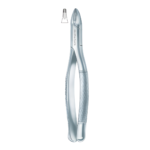
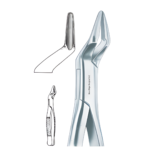
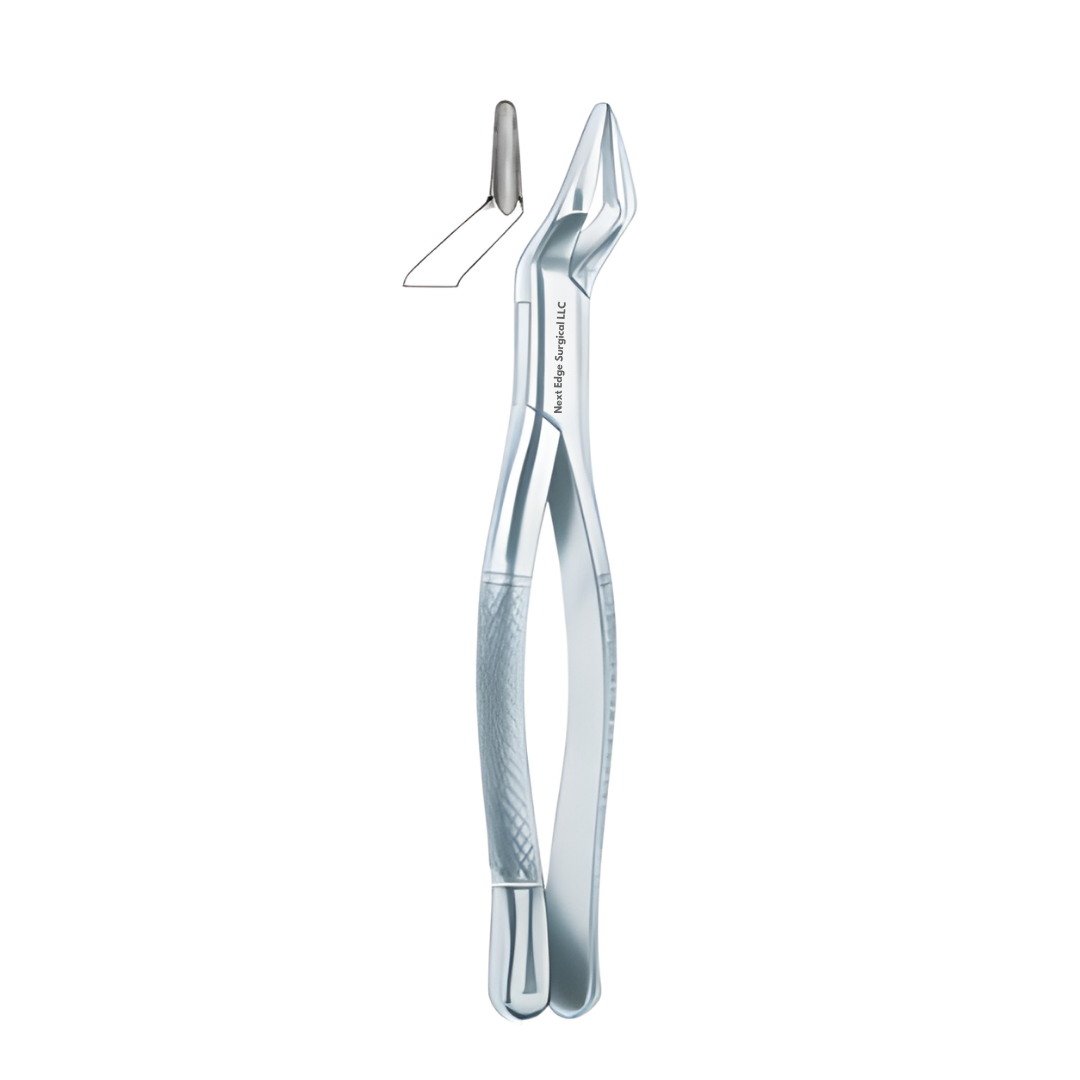
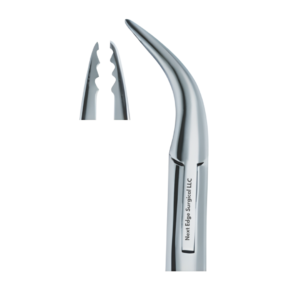
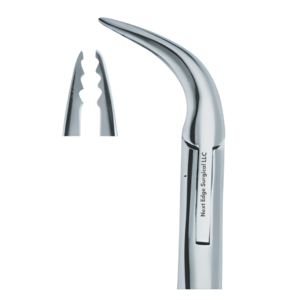
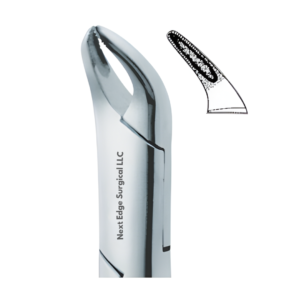
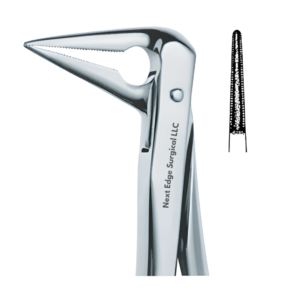
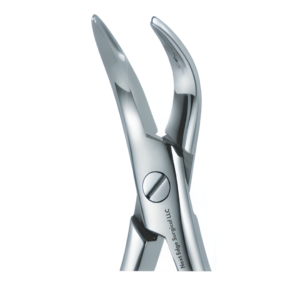
Dental Extraction Forceps – Parmly Upper Premolars and Molars – NES-317
A premolar and a molar may sit next to each other in the upper arch, yet their root arrangements create different extraction demands. Selecting a pattern that addresses both tooth groups helps clinicians organize treatment without treating their anatomy as interchangeable.
Our Parmly Upper Premolars and Molars Forceps – NES-317 is designated for maxillary premolar and molar removal. The Parmly classification identifies a recognized extraction pattern for these upper teeth, supporting thoughtful selection during routine and more involved procedures.
Parmly Pattern for Two Upper Tooth Groups
Upper premolars can have one or two roots, while maxillary molars commonly have three. Their differing root forms affect mobility, resistance, and the direction of removal. Crown integrity and radiographic findings help determine whether direct forceps engagement is appropriate.
NES-317 is included in our dental extraction forceps collection. The Parmly designation connects this instrument to an established upper premolar and molar category. Before engaging a tooth, the practitioner assesses its remaining structure, periodontal support, and proximity to neighboring restorations.
Features and Benefits
| Feature | Benefit |
| Parmly pattern | Identifies a recognized upper-arch extraction instrument family. |
| Premolar application | Addresses suitable upper premolar removal procedures. |
| Molar application | Extends the designated tooth group to upper molars. |
| Maxillary focus | Supports selection for the upper dental arch. |
| Crown engagement role | Provides grasping during appropriate tooth delivery. |
| Multi-tooth planning | Helps organize procedures involving adjacent posterior tooth groups. |
Instrument Care and Handling
Inspect the tooth-contact surfaces before placing NES-317 on the clinical tray. Look for deposits, visible damage, or uneven contact, and check opening and closing movement. Keep the working ends separated from other instruments during setup.
After use, remove blood and biological material promptly. Clean gripping areas and accessible joint surfaces carefully, paying attention to debris that can accumulate during posterior extractions. Complete the established cleaning and sterilization workflow before returning the instrument to service.
When treating an upper premolar, consider the possibility of thin or divergent roots. For molars, evaluate multiple roots and the relationship to the maxillary sinus. Avoid excessive gripping pressure on extensively restored crowns. Resistance may indicate that further mobilization or another technique is needed.
Transport the instrument securely to protect its working ends. Following processing, store it in an organized extraction tray. Regular inspection helps identify wear and supports consistent preparation for appointments involving different upper posterior teeth.
Product Specifications
| Specification | Details |
| Product Name | Parmly Upper Premolars and Molars |
| SKU | NES-317 |
| Brand | Next Edge Surgical LLC |
| Product Category | Dental Extracting Forceps |
| Instrument Pattern | Parmly |
| Anatomical Region | Maxillary Premolars and Molars |
| Intended Application | Upper Premolar and Molar Extraction |
Frequently Asked Questions
Which tooth groups does NES-317 address?
Upper premolars and molars selected for extraction.
Why consider premolar root variation?
Some upper premolars have two roots that affect removal.
Is Parmly a named forceps pattern?
Yes, it identifies an established dental extraction pattern.
Can damaged crowns alter the approach?
Yes, insufficient structure can complicate direct engagement.
What requires attention during cleaning?
Gripping surfaces and accessible joint areas.
Reviews
There are no reviews yet.