


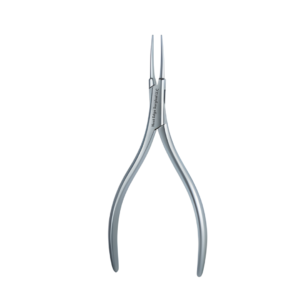


Dental Extraction Forceps – Cryer Upper Incisors Premolars Roots – NES-338
Extracting an upper incisor or premolar requires careful consideration of crown condition, root anatomy, and surrounding bone. When a tooth fractures during removal, the procedure may also involve retrieving remaining root structures.
Our Cryer Upper Incisors Premolars Roots Forceps – NES-338 is designated for maxillary incisors, premolars, and suitable root extraction procedures. The Cryer pattern identifies its instrument family, making it a relevant option when preparing an upper-arch extraction tray.
Supporting Controlled Upper Tooth and Root Removal
Upper incisors generally have single roots, while maxillary premolars may have one or two roots depending on the tooth and individual anatomy. Root curvature, periodontal support, and remaining crown structure influence instrument selection.
NES-338 is included in our dental extraction forceps collection. Its combined tooth-and-root designation supports preparation for different clinical situations, including suitable cases where a crown has fractured. The clinician must evaluate accessibility and mobility before selecting the extraction approach.
Features and Benefits
| Feature | Benefit |
| Cryer pattern | Identifies the named extraction forceps classification. |
| Upper incisor application | Relates to appropriate maxillary anterior extractions. |
| Upper premolar application | Includes suitable teeth between canines and molars. |
| Root extraction designation | Addresses accessible remaining root structures. |
| Maxillary anatomical focus | Supports preparation for upper-arch procedures. |
| Combined application | Provides a designated option for tooth and root removal. |
Instrument Care and Handling
Inspect NES-338 before treatment for visible damage, surface deposits, and irregularities around the gripping areas. Check normal opening and closing movement. Arrange the instrument securely within the extraction tray to prevent contact with heavier surgical equipment.
After treatment, promptly remove biological material and tooth particles. Pay attention to accessible joint spaces and surfaces that contact the tooth or root. Complete the established cleaning and sterilization workflow before preparing the instrument for another patient.
During upper incisor extraction, protect neighboring teeth and the supporting facial bone. Premolar procedures require attention to possible root separation and fracture risk. When retrieving a remaining root, determine whether adequate structure is accessible for controlled engagement.
Avoid excessive pressure when the tooth remains resistant. Reassess mobility and access before continuing with the planned technique. Transfer the used instrument securely for reprocessing and store it in a protected tray afterward. Regular inspection supports consistent preparation and helps identify changes in instrument condition.
Product Specifications
| Specification | Details |
| Product Name | Cryer Upper Incisors Premolars Roots |
| SKU | NES-338 |
| Brand | Next Edge Surgical LLC |
| Product Category | Dental Extracting Forceps |
| Instrument Pattern | Cryer |
| Anatomical Region | Maxillary Incisors, Premolars and Roots |
| Intended Application | Upper Tooth and Root Extraction |
Frequently Asked Questions
Which teeth are covered by NES-338?
Upper incisors, premolars, and suitable root remnants.
What does Cryer identify?
The named pattern of the extraction instrument.
Can NES-338 be considered for retained roots?
Yes, its designation includes upper-root extraction applications.
Why assess premolar root anatomy?
Root number and curvature can influence removal.
How should the instrument be maintained?
Clean, sterilize, inspect, and store it securely.
Reviews
There are no reviews yet.