


For inquiries regarding discounts and prices for bulk orders,
please get in touch with our Customer Care Team
DIAGNOSTIC INSTRUMENTS
Diagnostic Instruments Suitable for Accurate Clinical Assessment
Clinical assessment is often the first step in understanding a patient’s condition. Healthcare professionals depend on diagnostic instruments to support accurate examination, observation, and decision-making across different clinical settings.
The reliability of the assessment is defined by the instruments used for it. Defective optics in the otoscope, an unbalanced reflex hammer, and a dimming penlight – all of these are not only inconvenient but also compromise the whole diagnostic process.
At Next Edge Surgical, we manufacture and distribute a range of diagnostic instruments which can be used in clinical assessment processes in any hospital, clinic or ambulatory care facility around the world.
Filter by price
Filter by size
- 10 inch (5 inch shaft) Adult oval 9.60 mm x 7.70 mm 1
- 145 g 1
- 175 g 1
- 235 g 1
- 6.5 inch (2.5 inch shaft) Infant hole dia 2.00 mm 1
- 7.5 inch (3 inch shaft) Infant hole dia 2.30 mm 1
- 7.5 inch (4 inch shaft) Infant hole dia 2.60 mm 1
- 8 inch (4 inch shaft) Child hole dia 3.00 mm 1
- 8 inch (4 inch shaft) Child oval type 5.38 mm x 4.15 mm 1
- 9 inch (5 inch shaft) Adult oval 6.80 mm x 5.00 mm 1
- curved 2
- straight 2
- 16 cm 1
- 18 cm 1
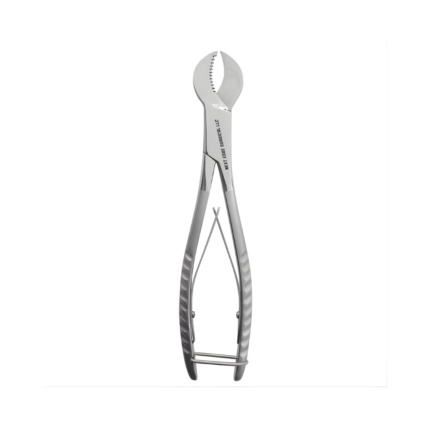
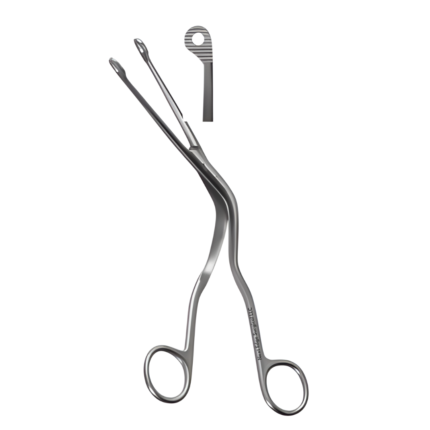
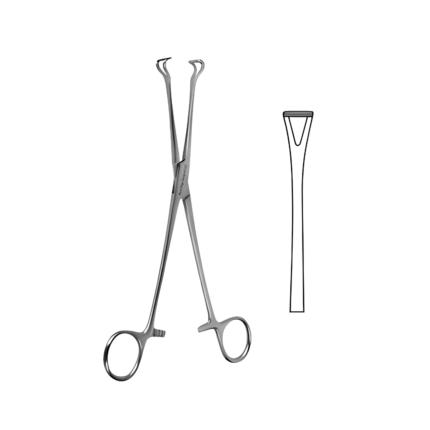
Showing 1–12 of 112 results
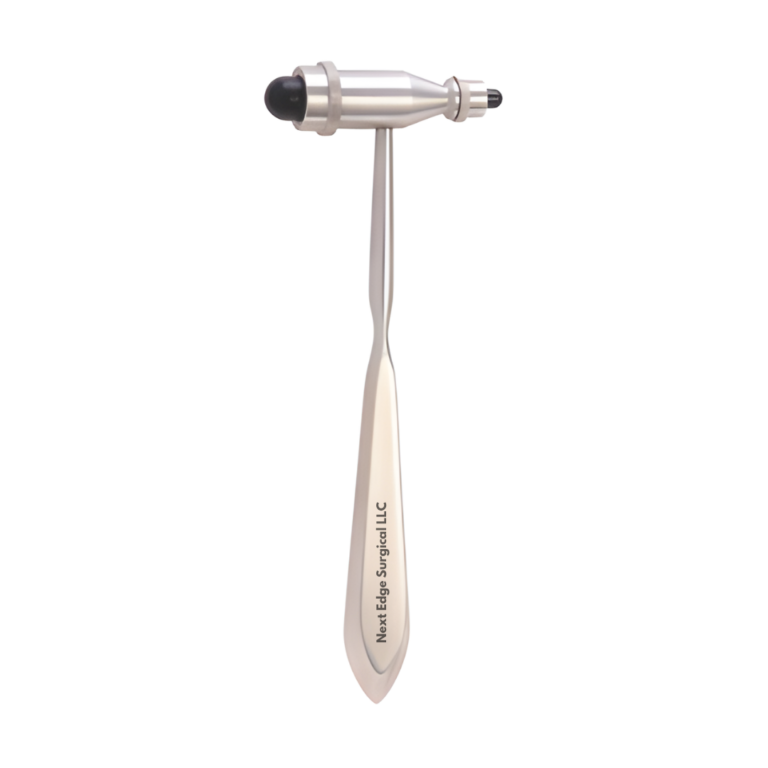
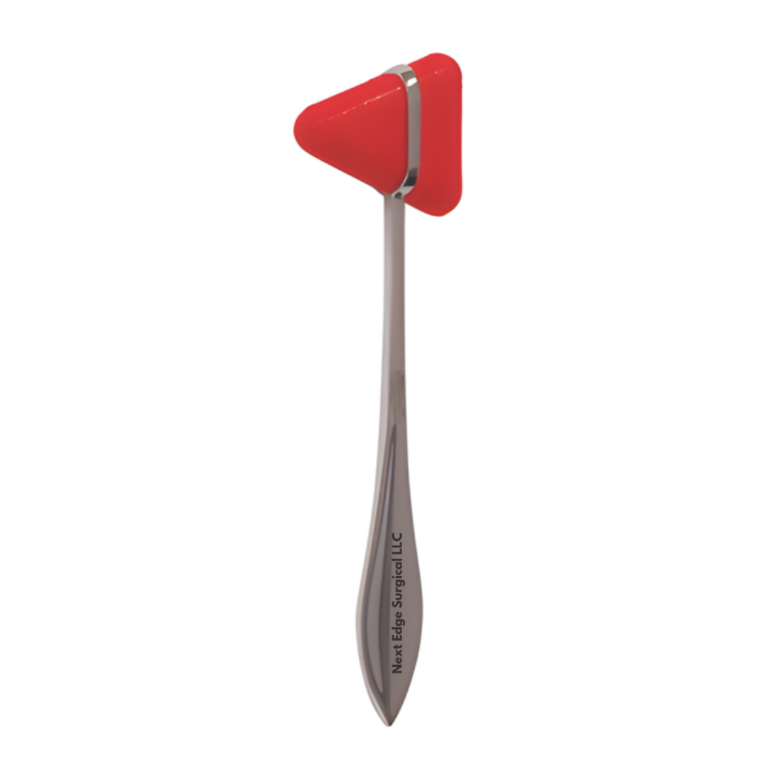
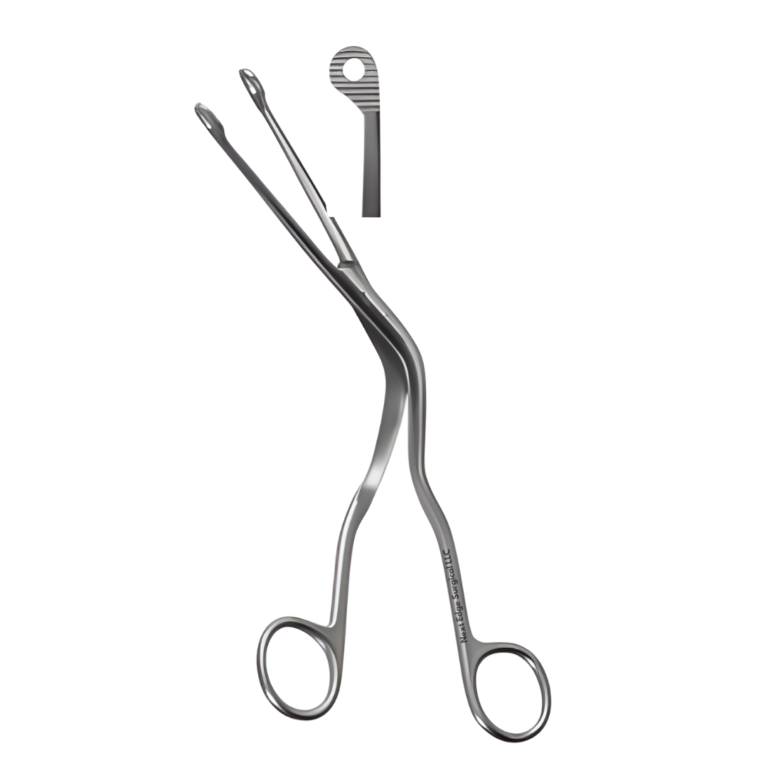
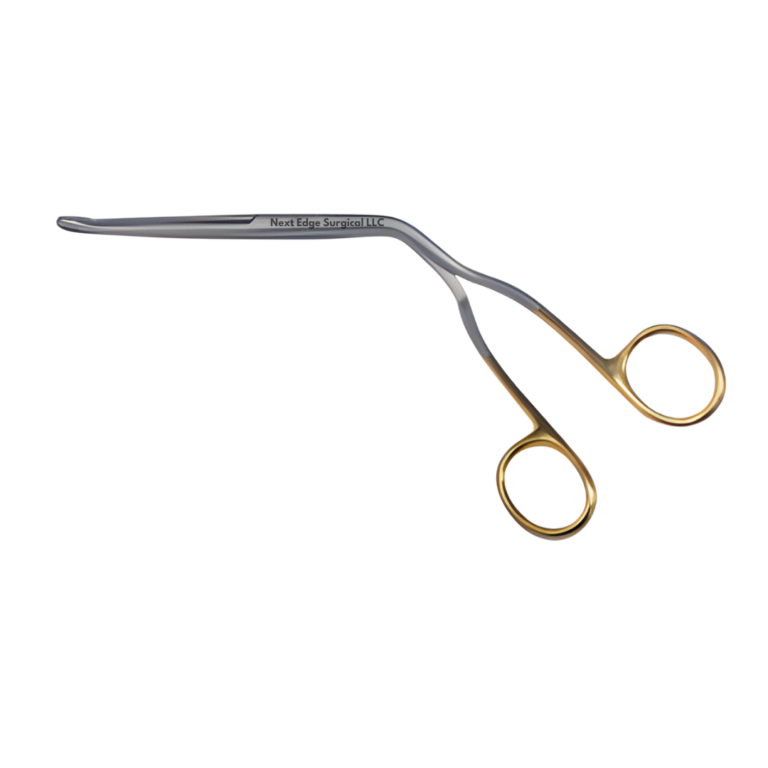
01-144-16
Gold handled Magill intubating forceps for catheter and airway procedures.
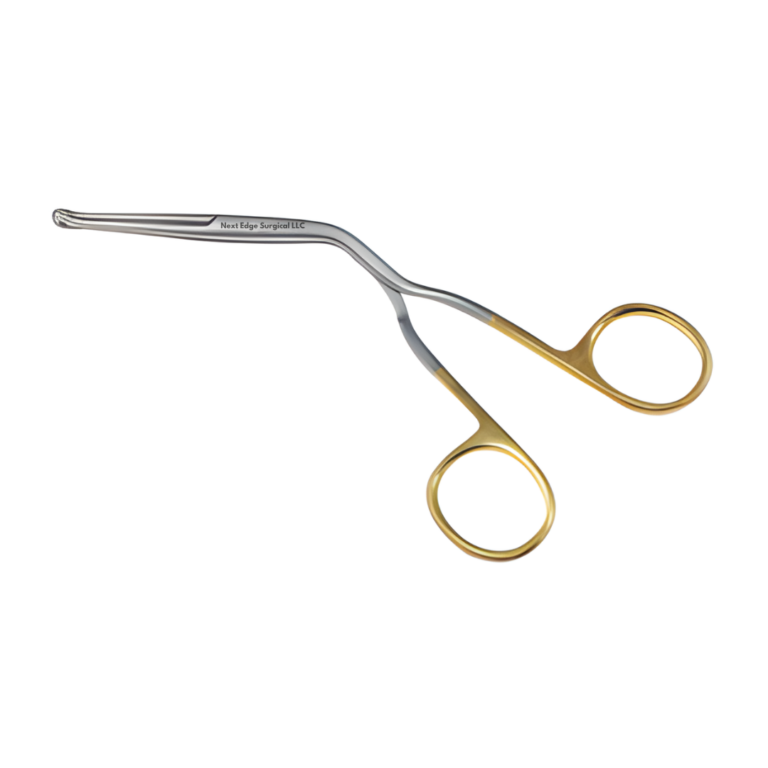
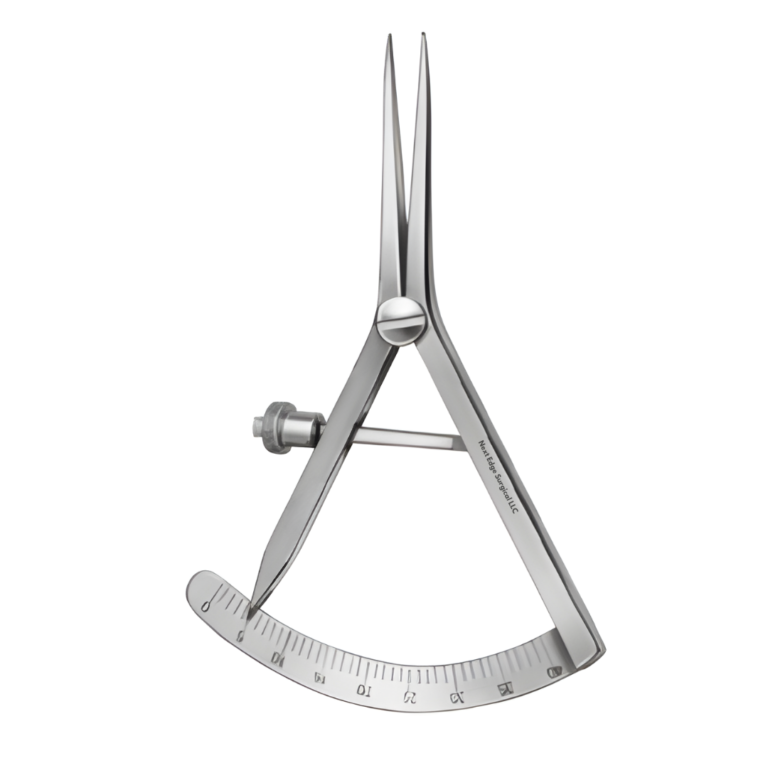
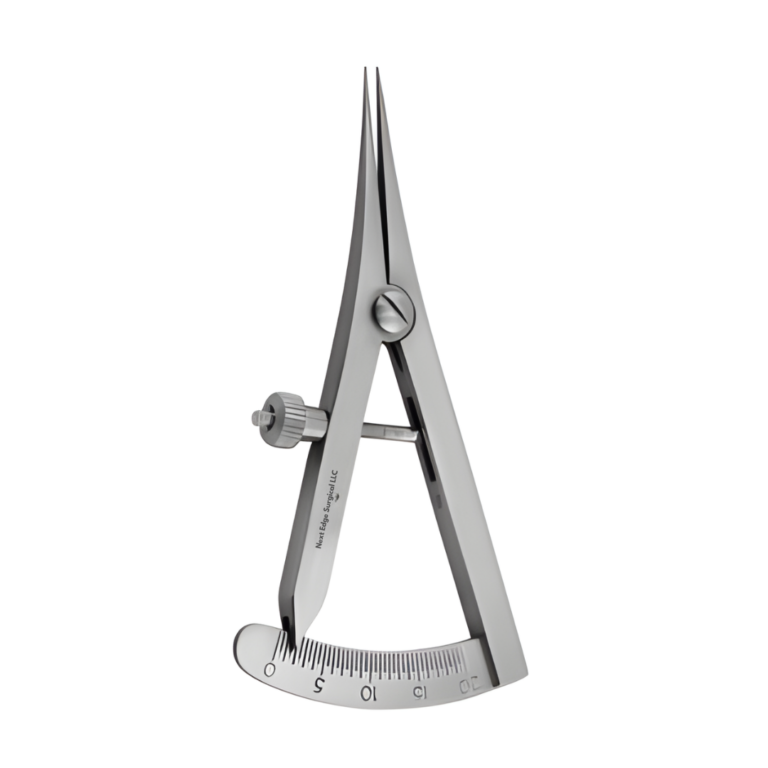
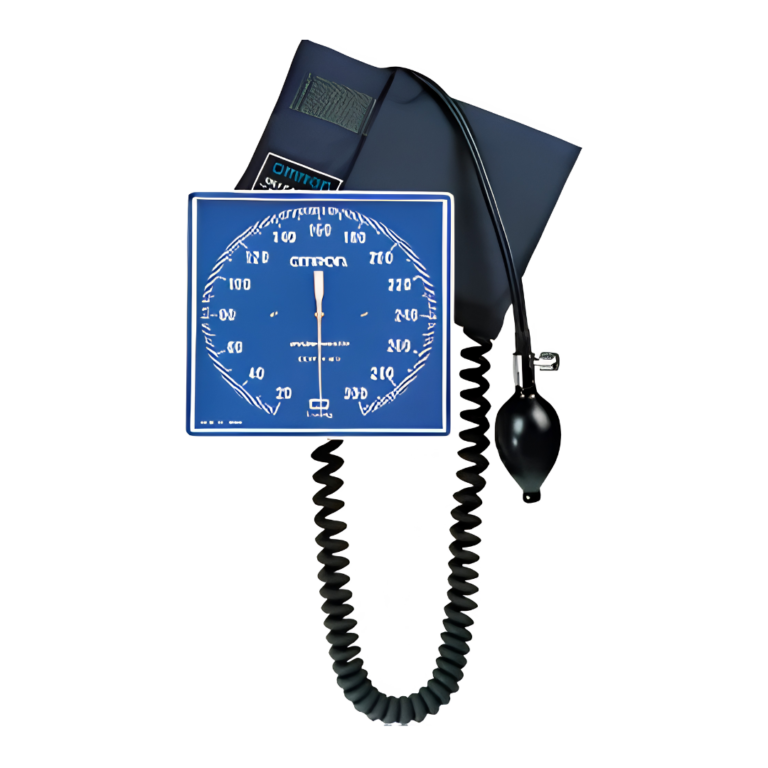
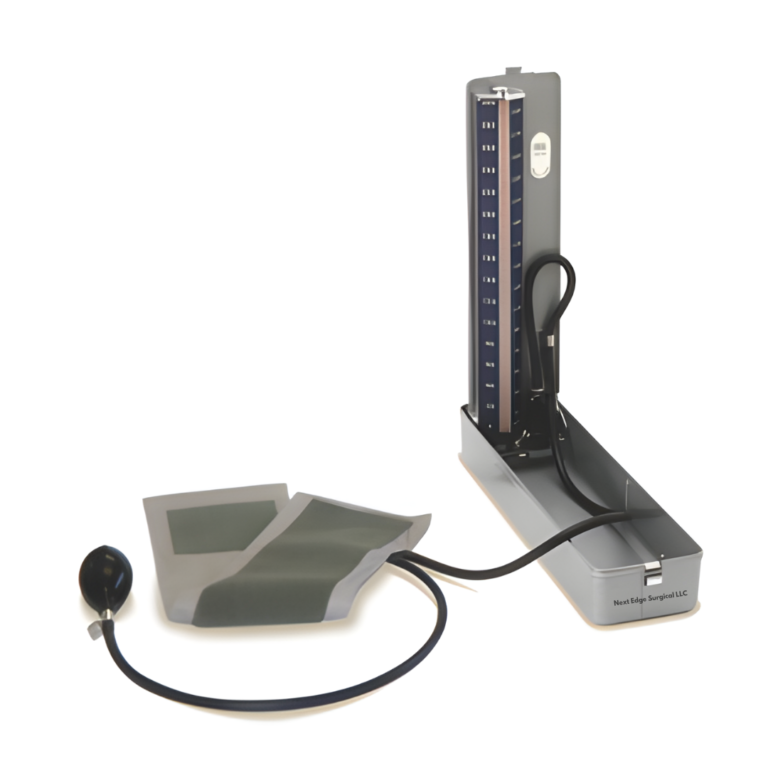
Article 01-101-00
DIAGNOSTIC MERCURY SPHYG. DESK MODEL STETHOSCOPE BLOOD PRESSURE UNIT
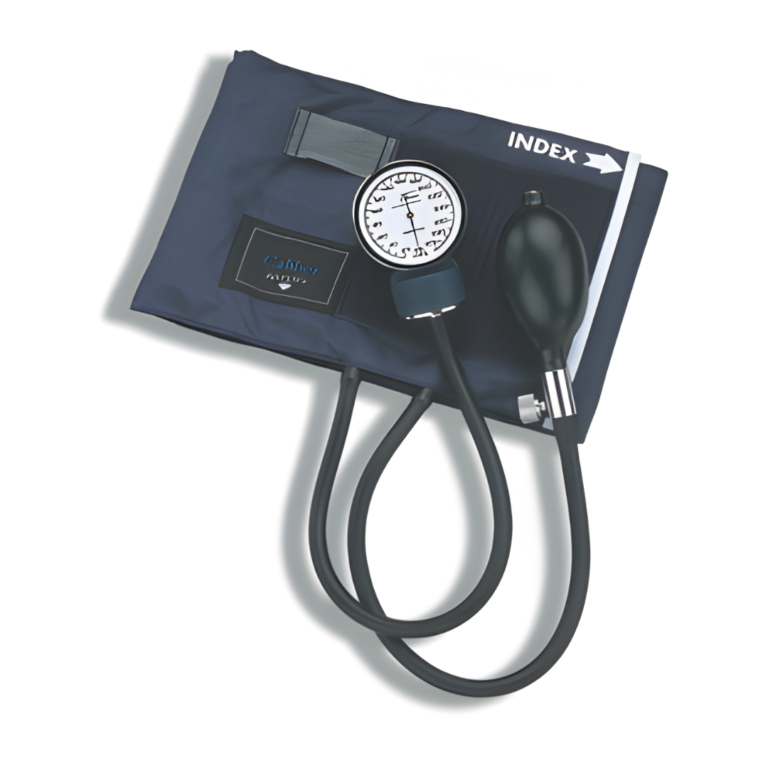
Article 01-102-00
DIAGNOSTIC STANDARD ANEROID ADULT CUFF STETHOSCOPE BLOOD PRESSURE UNIT
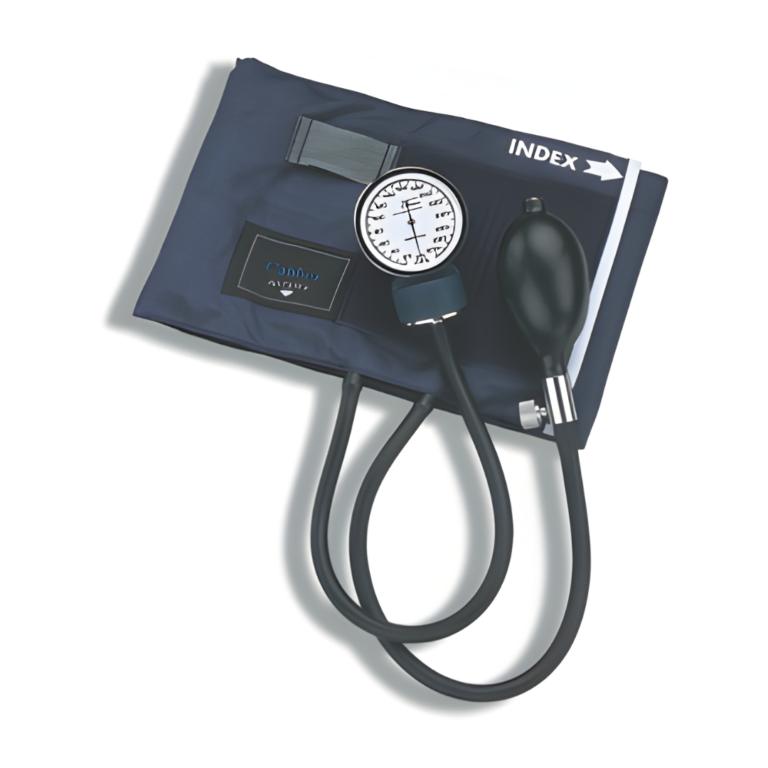
Article 01-103-00
DIAGNOSTIC STANDARD ANEROID ADULT CUFF STETHOSCOPE BLOOD PRESSURE UNIT
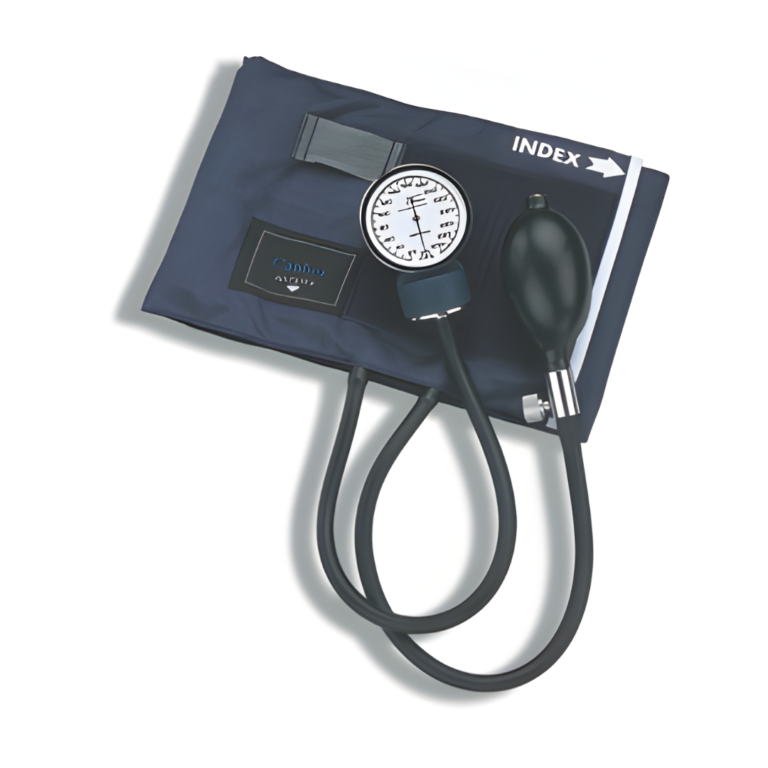
Article 01-104-00
DIAGNOSTIC STANDARD ANEROID CHILD CUFF STETHOSCOPE BLOOD PRESSURE UNIT
Comprehensive Range of Diagnostic Instruments We Offer
Diagnostic instruments include a variety of tools used for physical examination and patient assessment. Starting with examining the ear canal to checking reflexes, each of the diagnostic tools has its own purpose in clinical practice. The following list describes the range of examination instruments we can provide.
1. Otoscopes
Otoscopes are used for examination of the ear canal and tympanic membrane. Clear visualization of the eardrum is crucial for diagnosis of infections, perforations, blockages, etc.
Light source and optics determine the visual field. Our light sources produce bright, steady illumination.
2. Ophthalmoscopes
Ophthalmoscopes are used to examine the retina, optic disc and other structures in the eye. This is necessary for diagnosis of conditions such as diabetic retinopathy, papilledema, etc.
Precise optics and reliable illumination are crucial. Instrument quality can influence visualization and examination consistency during clinical assessment.
3. Diagnostic Sets
Diagnostic sets combine the otoscope and ophthalmoscope with one handle and power source. This approach facilitates procurement and reduces the space needed for storing them. It also guarantees that both instruments will be of equal quality.
4. Reflex Hammers
Reflex hammers are used to check the deep tendon reflexes and give the information about the nervous system. Typical designs of reflex hammers include Taylor, Babkin, Tromner and Queen Square hammers.
The balanced weight of the hammer is essential. Proper instrument balance helps support consistent reflex assessment.
5. Tuning Forks
Tuning forks are used for assessing hearing and vibratory sensation. This is done in order to diagnose different conditions in neurology. The accuracy of manufacturing and appropriate materials determines the vibration frequency.
6. Penlights and Examination Lights
Penlights are used to assess the pupillary response, illumination of the oropharynx, and general examination.
Penlights are used many times in a day by clinicians in emergency departments, ICUs, urgent care facilities and other clinical settings. Brightness and a focused beam are crucial.
Features That Support the Performance
Usually, when healthcare facilities evaluate diagnostic instruments, the price becomes the main consideration. However, it is more important to find out what the instrument is capable of providing in a clinical setting and for how long.
Here is the list of our features, which help them perform in a clinical setting:
- Precision Manufacturing: Instruments are manufactured with tight tolerances. As far as optical instruments are concerned, the accuracy of the alignment between the light source and lens determines the picture quality. We do not leave it to chance.
- High-Quality Materials: Handles and other structural elements are made from stainless steel and medical-grade materials. They withstand the process of cleaning and disinfection.
- Clear Visualization: Our otoscopes and ophthalmoscopes provide a clear image of the anatomical structures, allowing for more confident assessments.
- Ergonomic Design: Balance allows using the instruments single-handedly during prolonged examinations.
- Durable Construction: All components maintain their integrity and reduce the need for replacements and decrease the total cost of ownership.
- Reliable Performance: Consistent performance during each use defines a reliable instrument. This means consistent performance across repeated clinical use and sterilization cycles.
Why Quality Is Important for Diagnostic Instruments
The diagnosis is made based on the proper performance of the instrument. The otoscope with defective optics gives an unclear image. An unbalanced reflex hammer provides inconsistent results. Manufacturing precision helps maintain intended vibration characteristics during clinical use.
These are examples of the consequences of sourcing instruments based on price. The quality instruments last longer and thus lower the total cost of procurement over time. It is a considerable benefit for any high-volume clinical environment.
Why Healthcare Professionals Choose Next Edge Surgical
- Reliable Product Quality: Our products are manufactured to a high standard so you get exactly the same product each time you order.
- Wide Instrument Selection: The range of our instruments includes the basic tools that are used by healthcare professionals in various clinical environments.
- Customization of Instruments: You can get branded and labelled instruments in your OEM program.
- Bulk Purchasing: We have prices and lead times for institutional buyers, procurement teams, and distributors.
- Customer Service: You can ask all questions about the instruments from our specialists who know them perfectly well.
- Distribution Around the Globe: We export to North America, Europe, the Middle East and many other countries. We have all the compliance infrastructure for international procurement.
FAQs
What Types of Diagnostic Instruments Do You Supply?
We supply otoscopes, ophthalmoscopes, diagnostic sets, reflex hammers, tuning forks, penlights, and examination lights, which are used for the physical examination and clinical assessment.
Are Your Diagnostic Instruments Suitable for Hospitals and Clinics?
Yes. Our instruments are built for hospitals, outpatient clinics, ambulatory surgical centers, and other clinical settings requiring high-performance under high volumes of patients.
Do You Have Bulk Purchase Options?
Yes. We cooperate with procurement teams, hospital systems and distributors on bulk orders. Contact our sales team for prices and delivery.
Can Diagnostic Instruments Be Customized?
Yes. You can have your brand, packaging, and documentation for OEM and private label programs.
Do You Have OEM and Private-Label Manufacturing?
Yes. We manufacture the diagnostic instruments in OEM and private label programs with all documentation and packaging included.
Request a Quote
Regardless of your plans to equip the hospital department, to build a distributor catalog or to develop a private label product line, Next Edge Surgical is able to assist you. We work with bulk orders, OEM and custom manufacturing requests. Contact us to place your order.