

HAIR TRANSPLANT AND ACNE SCAR PUNCH 1.2mm
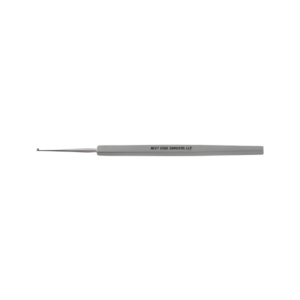
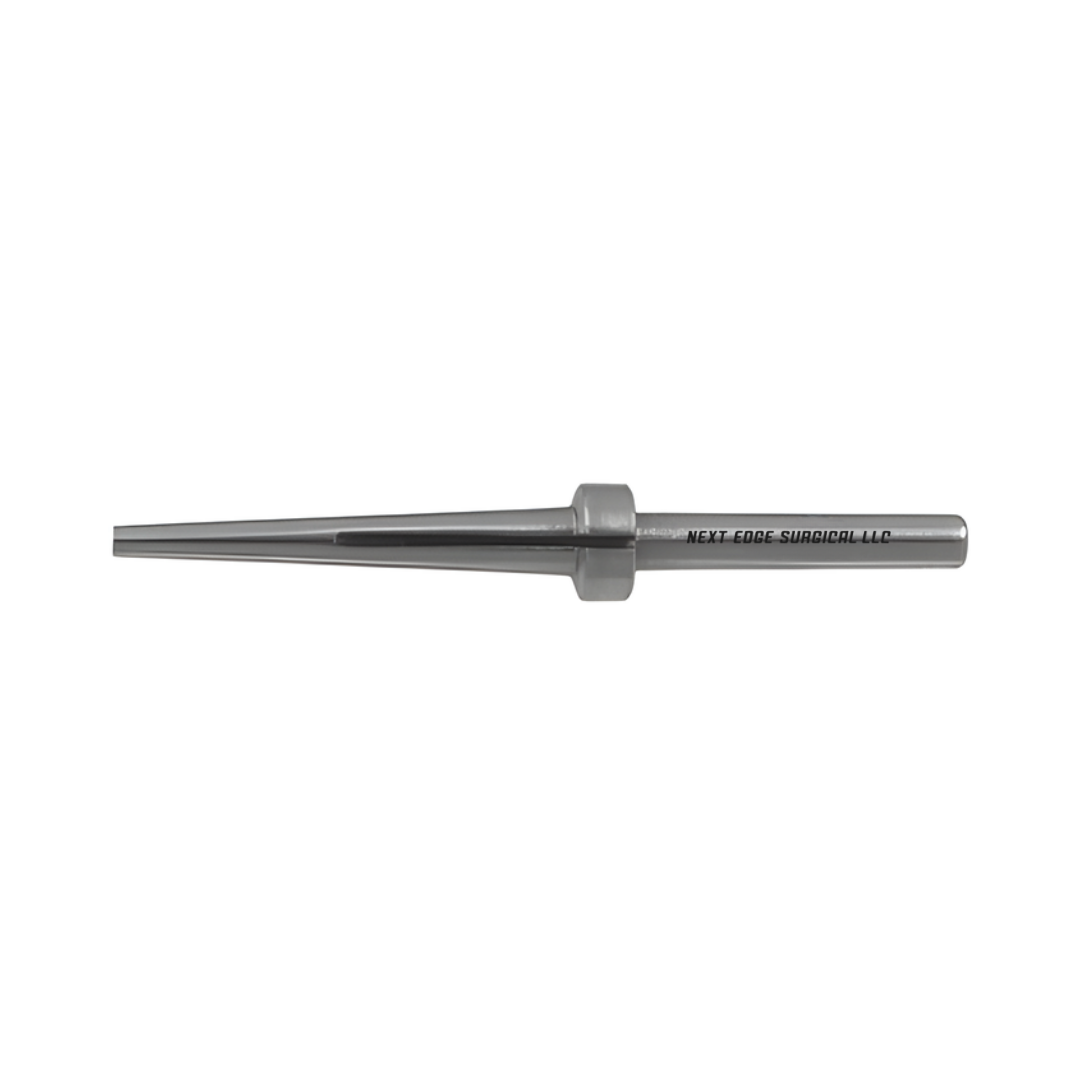
D-199-179-1.2 belongs to the same specialized punch series as the 1.0 mm model, but its working diameter is 1.2 mm. That difference is small numerically but important when punch size is part of procedural planning. Next Edge Surgical identifies this instrument specifically as a hair transplant and acne scar punch. Within a selection of dermatology instruments, it provides clinicians with a dedicated 1.2 mm option for appropriate hair restoration and acne scar procedures.
The defining characteristic is the 1.2 mm punch diameter. Maintaining multiple sizes allows instrument selection to follow the requirements of the procedure rather than relying on a single punch for every application.
For clinical instrument organization, the important distinctions are:
* 1.2 mm diameter: Provides the working size specified for this particular punch.
* Hair transplant use: Makes the instrument relevant to appropriately selected hair restoration procedures.
* Acne scar use: Reflects the second application identified in the product title.
* Dedicated punch design: Keeps the instrument focused on punch-based procedures where the stated diameter is appropriate.
The 1.2 mm model should be considered separately from the 1.0 mm version because the two instruments provide different punch dimensions. Selecting between them should follow the clinician’s established procedural method and the requirements of the treatment area.
D-199-179-1.2 is a useful addition for practices that need a slightly larger punch option within their hair transplant and acne scar instrumentation.
Add this 1.2 mm punch to your specialized dermatology procedure set.
D-199-151 and D-199-152 Selection Note
The Schamberg extractors in this group are deliberately differentiated by their working ends. D-199-151 uses crimped ends, while D-199-152 is identified specifically with delicate crimped ends. Both are 3 3/4″ models, but their naming indicates that they should not be treated as identical instruments. The difference in end configuration is subtle but clinically relevant, as it influences how the instrument engages with the skin surface during comedone extraction and how much precision or gentleness the clinician can apply in a given situation.
In practical use, the standard crimped end of D-199-151 is generally selected when a firmer, more conventional contact profile is preferred, while the delicate crimped ends of D-199-152 are intended for situations where a lighter, more refined touch is appropriate. Because both instruments share the same overall length and Schamberg pattern, the working-end design becomes the primary factor guiding selection between them.
For a clinic maintaining dermatology instruments, keeping these distinctions clear can make instrument selection more deliberate and efficient. When multiple extractor types are available in a procedure tray, clinicians can match the instrument more precisely to the lesion characteristics and their preferred technique rather than relying on a single universal option. This helps support consistency in procedural setup and reduces unnecessary instrument substitution during treatment.
The appropriate model should therefore be chosen according to the clinician’s established extraction technique, the required level of delicacy, and the specific working-end configuration best suited to the procedure being performed.