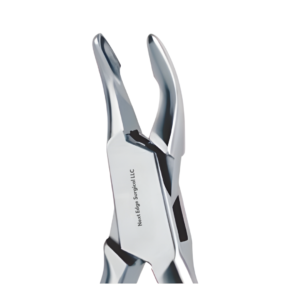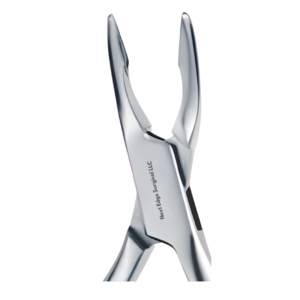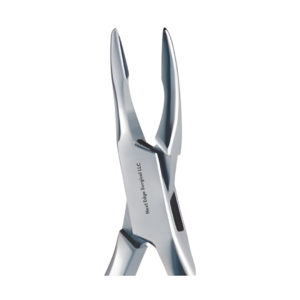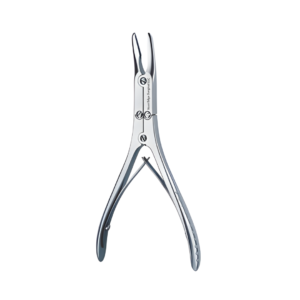


23. Article NES-468 — Bone Rongeur
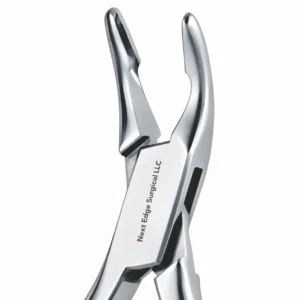
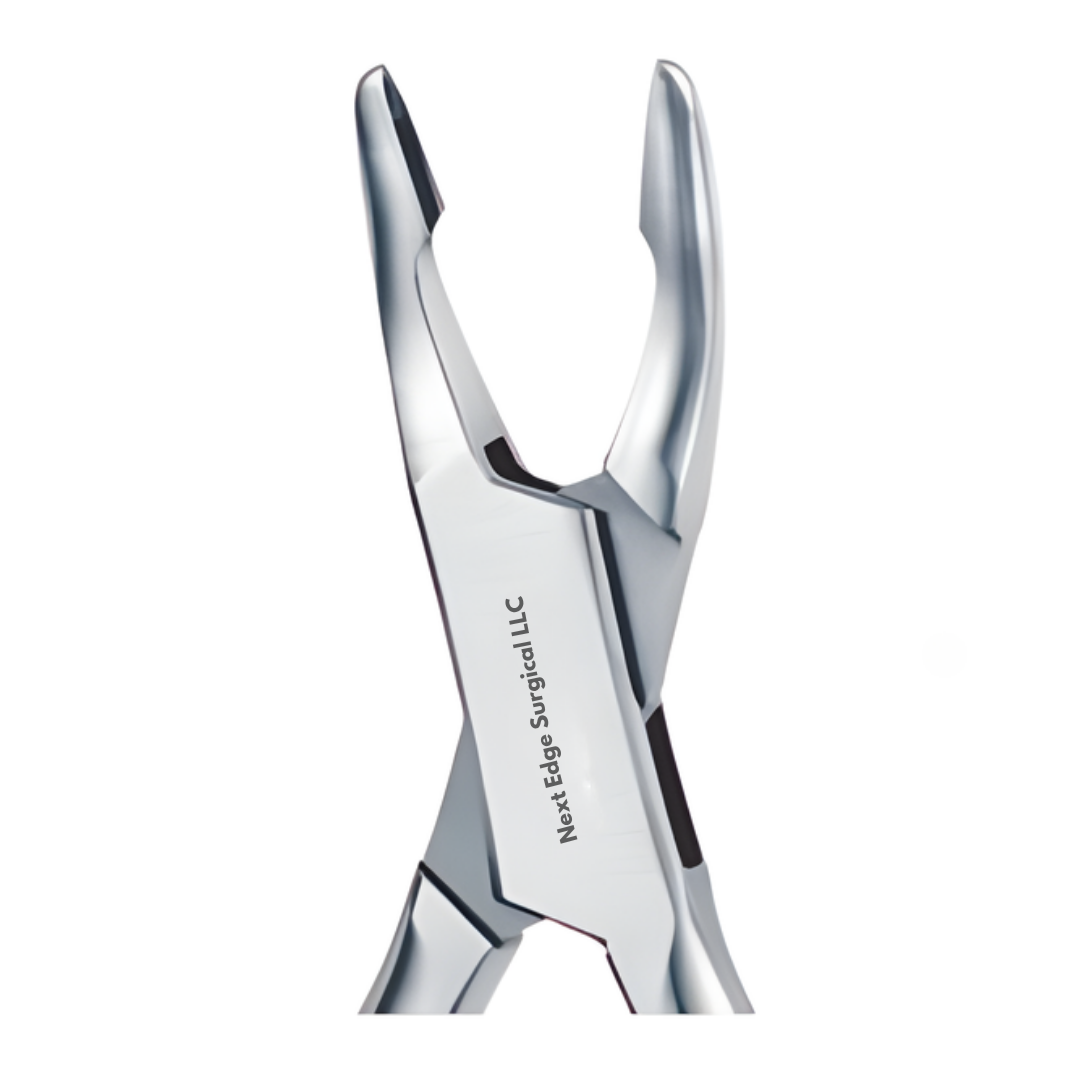
Bone rongeurs solve a problem forceps were never built for: trimming and shaping bone itself, not gripping a tooth. Article NES-468 belongs to that separate category entirely, stocked by Next Edge Surgical LLC for the surgical side of extraction work where a socket needs smoothing after the tooth is already gone.
What it does | Why it matters |
Nibbles away sharp bony edges | Prevents post-extraction irritation to soft tissue |
Reshapes irregular alveolar bone | Supports better healing and future implant sites |
Provides fine, controlled bites | Reduces risk of over-removal |
Extraction doesn’t always end cleanly. Sometimes the socket left behind has a jagged ridge or an uneven edge that would otherwise poke through healing gum tissue for weeks afterward. A rongeur like this one handles that final step, taking small, deliberate bites of bone rather than the bulk removal a chisel or file would perform.
Double-action jaw mechanics mean less hand force is needed to achieve a clean bite, which matters during longer surgical cases where fatigue becomes a real factor. The cutting edges hold their sharpness through repeated use, and the entire body is manufactured from surgical steel resistant to corrosion.
Not every practice needs a rongeur on hand daily, but for oral surgery clinics and general practices performing routine extractions, it’s a natural companion to a full extracting forceps collection—the tool that finishes the job forceps start.