


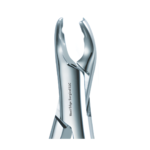
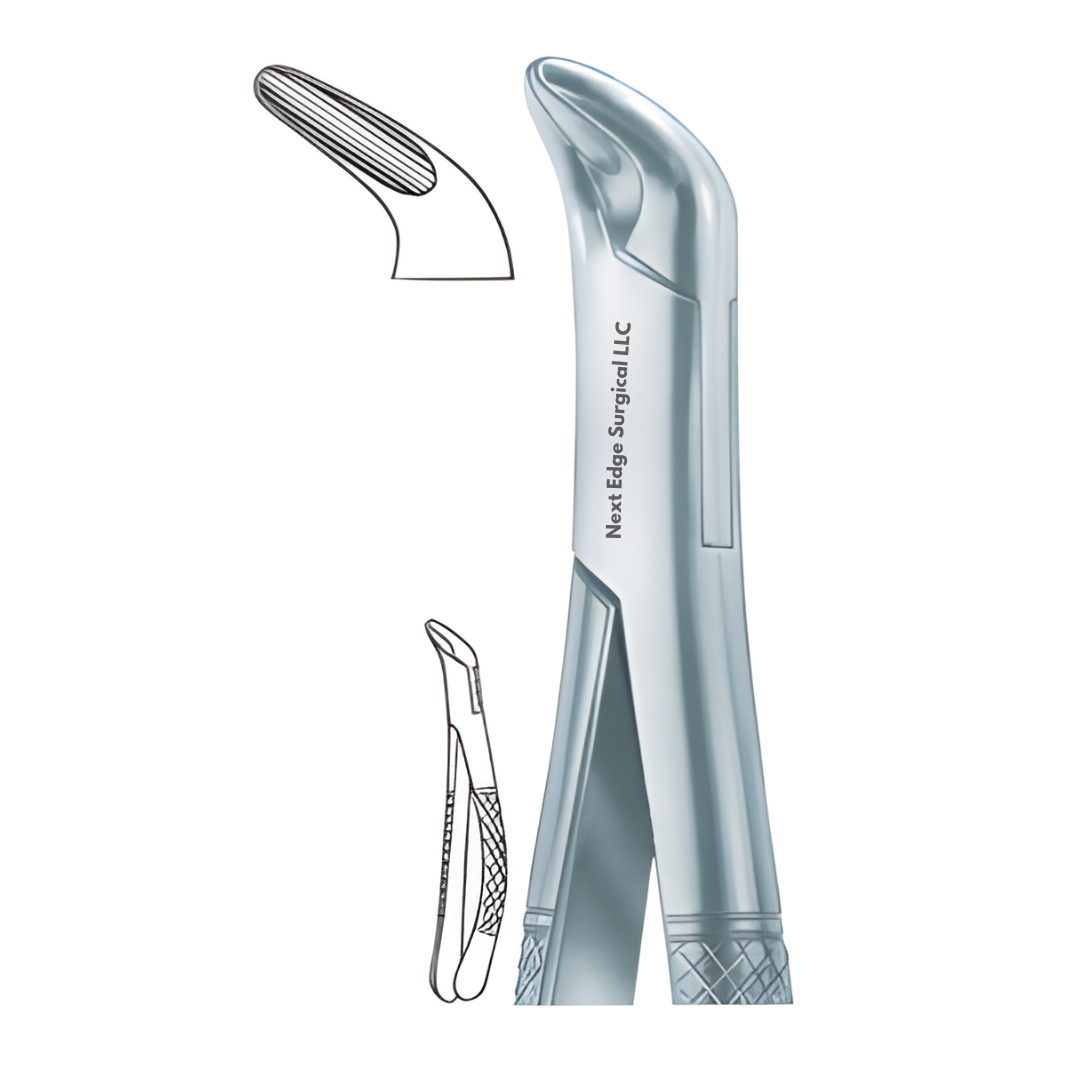
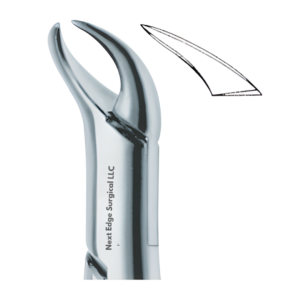
Dental Extraction Forceps – Cryer Lower Incisors Premolars Roots – NES-343
Lower incisors and premolars occupy different positions within the mandibular arch, but both may require careful extraction when crowns are damaged or roots remain within the socket. Their anatomical differences influence instrument engagement and removal.
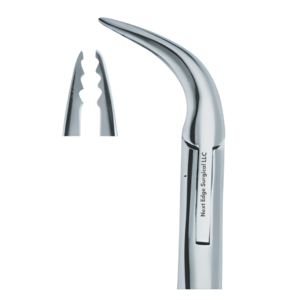
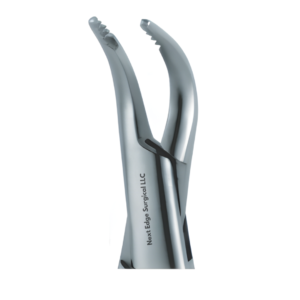
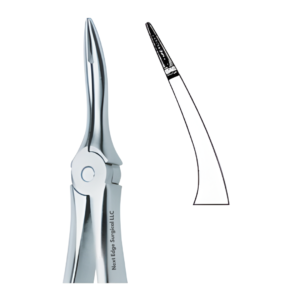
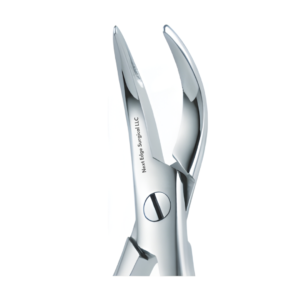
Our Cryer Lower Incisors Premolars Roots Forceps – NES-343 is designated for suitable mandibular incisor, premolar, and root extraction procedures. Its Cryer pattern identifies the instrument family within our dental extraction range.
Addressing Mandibular Tooth and Root Anatomy
Lower incisors generally have narrow crowns and flattened roots. Mandibular premolars commonly have single roots, although curvature and anatomical variations occur. These characteristics can influence the amount of movement required before tooth delivery.
NES-343 belongs to our dental extraction forceps collection. Its Cryer designation identifies the named pattern, while its listed tooth groups establish the intended lower-arch applications. Clinical examination helps determine whether the instrument is suitable for the planned procedure.
Features and Benefits
| Feature | Benefit |
| Cryer pattern | Identifies a named extraction forceps classification. |
| Lower incisor application | Relates to suitable mandibular anterior extractions. |
| Lower premolar application | Includes appropriate premolar removal procedures. |
| Root extraction designation | Addresses accessible remaining mandibular root structures. |
| Combined tooth and root scope | Supports preparation for different extraction situations. |
| Mandibular anatomical focus | Helps distinguish lower-arch instrument applications. |
Instrument Care and Handling
Before use, examine the gripping surfaces for visible wear, damage, or retained deposits. Confirm normal opening and closing movement. Arrange NES-343 securely so heavier instruments cannot strike its working ends during preparation.
After treatment, remove blood, tissue residue, and tooth fragments promptly. Inspect accessible joint spaces and tooth-contact surfaces for particles that may remain after extraction. Follow the established cleaning and sterilization workflow before preparing the forceps for another patient.
During lower incisor extraction, consider the narrow crown and proximity of neighboring teeth. Premolar procedures require attention to root curvature, surrounding bone, and nearby anatomical structures.
If a crown fractures and a root remains, assess the fragment’s exposure and mobility before attempting direct engagement. Avoid uncontrolled pressure or leverage against adjacent teeth and surrounding tissues.
When resistance is unexpected, reassess the extraction technique rather than increasing force indiscriminately. Transfer the used instrument securely for processing. After reprocessing, store NES-343 in a protected extraction tray. Regular inspection helps identify changes in condition and supports consistent preparation for future mandibular procedures.
Product Specifications
| Specification | Details |
| Product Name | Cryer Lower Incisors Premolars Roots |
| SKU | NES-343 |
| Brand | Next Edge Surgical LLC |
| Product Category | Dental Extracting Forceps |
| Instrument Pattern | Cryer |
| Anatomical Region | Mandibular Incisors, Premolars and Roots |
| Intended Application | Lower Tooth and Root Extraction |
Frequently Asked Questions
Which teeth are listed for NES-343?
Lower incisors, premolars, and suitable root remnants.
What does Cryer identify?
The named extraction instrument pattern.
Can this instrument be considered for retained roots?
Yes, its designation includes mandibular root extraction.
Why are lower incisors challenging?
Their narrow crowns can limit secure engagement.
What maintenance is recommended?
Prompt cleaning, sterilization, inspection, and protected storage.
Reviews
There are no reviews yet.